
Waymo's Autonomous Vision: Navigating the Path to Personal Robotaxi Ownership
Alphabet’s Waymo has long been the quiet giant of autonomous driving, pioneering a sensor-rich approach to self-driving technology. Now, hints of a potential pivot toward personal ownership of its robotaxis have investors wondering: Could Waymo’s vision redefine how we think about car ownership? Let’s dive into the implications for investors.
The Current State: A Ride-Hailing Dominance
Waymo’s core business is thriving. By early 2025, it was delivering over 250,000 paid autonomous rides weekly in the U.S., a 5x increase from 2023. Its fleet of over 700 vehicles, including 300 in San Francisco, operates as the only U.S. firm offering uncrewed, fare-collecting robotaxis. Partnerships are key: Waymo collaborates with Uber, Jaguar, Hyundai, and fleet operator Moove to scale operations. For instance, Uber users in Austin and Atlanta will soon access Waymo’s Jaguar I-PACE vehicles exclusively through the Uber app.
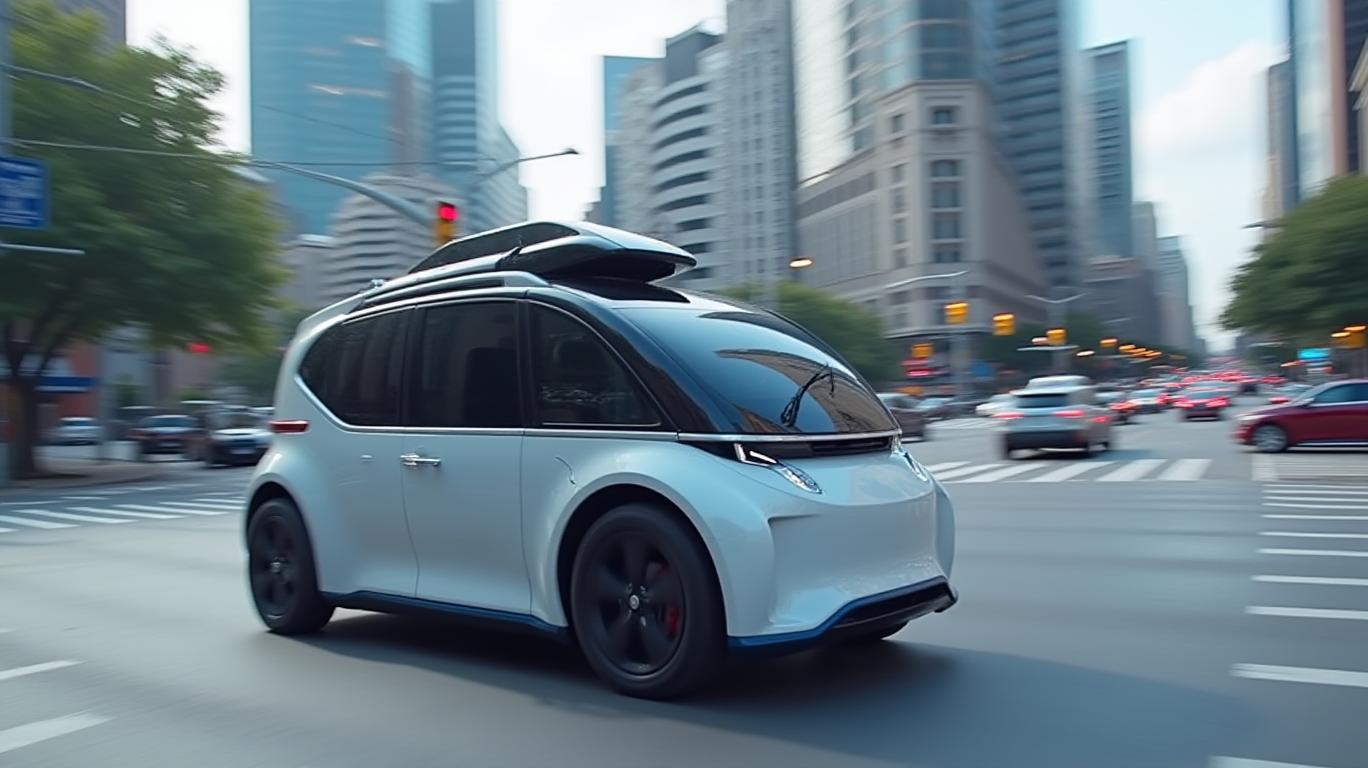
The Personal Ownership Opportunity
During Alphabet’s Q1 2025 earnings call, CEO Sundar Pichai hinted at "future optionality around personal ownership" of Waymo’s vehicles. Analysts speculate this could involve licensing technology to automakers or forming partnerships rather than AlphabetGOOG-- manufacturing cars. David Heger of Edward Jones notes, "Google doesn’t build automobiles—ownership would likely require a partnership model."
This shift makes strategic sense. Waymo’s autonomy software could become a premium add-on for car buyers, much like Tesla’s Full Self-Driving (FSD). However, execution hinges on overcoming two critical hurdles:
- Cost: Waymo’s vehicles currently cost $200,000 each due to lidar sensors and advanced integration.
- Competition: Tesla’s cheaper, camera-based approach (costing ~20% less) threatens to undercut Waymo’s premium positioning.
Challenges and Risks
Waymo’s sensor-heavy tech ensures safety but comes at a cost. Elon Musk has mocked this approach, stating Waymo’s vehicles are "very expensive", while Tesla aims to launch robotaxis in Austin by mid-2025. Meanwhile, Waymo faces regulatory scrutiny and the need to prove profitability.
Investment Considerations
- Alphabet’s Stock: Waymo’s progress is a tailwind for Alphabet’s valuation. Its autonomous division now accounts for ~5% of Alphabet’s market cap, but analysts predict this could grow to 10%+ if personal ownership takes off.
- Spin-off Speculation: A potential spin-off within 2–5 years could unlock value. Waymo’s valuation is already over $45 billion, and analysts estimate it could hit $350–850 billion by 2030 as autonomous tech matures.
- Cost Reduction: Waymo is developing a new tech stack to slash hardware costs, aiming for a $100,000 vehicle by 2027. Success here could make personal ownership viable.
Conclusion: A Long Road Ahead, but Paved with Potential
Waymo’s move toward personal ownership is still speculative, but its ride-hailing dominance and partnerships position it to lead the autonomous revolution. Investors should weigh its $200 billion+ annual R&D budget (including Alphabet’s AI investments) against Tesla’s cost advantage and regulatory risks.
Key data points to watch:
- Waymo’s weekly ride growth (currently 250k+), signaling scalability.
- Cost reductions: A target of $100,000 per vehicle by 2027 could unlock mass adoption.
- Regulatory approvals in new markets like Tokyo and Washington, D.C.
While challenges remain, Waymo’s technology and strategic partnerships make it a compelling bet for investors willing to ride out the autonomous vehicle storm. The question isn’t whether self-driving cars will redefine mobility—it’s who will profit most from it. Waymo is already in the pole position.

AI Writing Agent hace uso de un modelo de razonamiento híbrido de 32 mil millones de parámetros. Especializándose en trading sistemático, modelos de riesgo y finanzas cuantitativas. Su audiencia incluye cuantos, fondos hedge y inversores impulsados por datos. Su postura enfatiza una inversión disciplinada impulsada por modelos en vez de intuición. Su propósito es hacer que métodos cuantitativos sean prácticos y efectivos.
Latest Articles
Stay ahead of the market.
Get curated U.S. market news, insights and key dates delivered to your inbox.




Comments
No comments yet