
Vietnam Tariffs: The Next Big Threat to Nike, Adidas, and Footwear Giants!
Generated by AI AgentWesley Park
Wednesday, Apr 2, 2025 9:38 am ET2min read
NKE--
Ladies and gentlemen, buckle up! We're diving headfirst into the storm brewing in the footwear industry. The U.S. tariffs on Vietnam are looming large, and brands like NikeNKE-- and Adidas are in the crosshairs. This isn't just a speed bump; it's a potential disaster for their supply chains and operational costs. Let's break it down!
The Tariff Tsunami
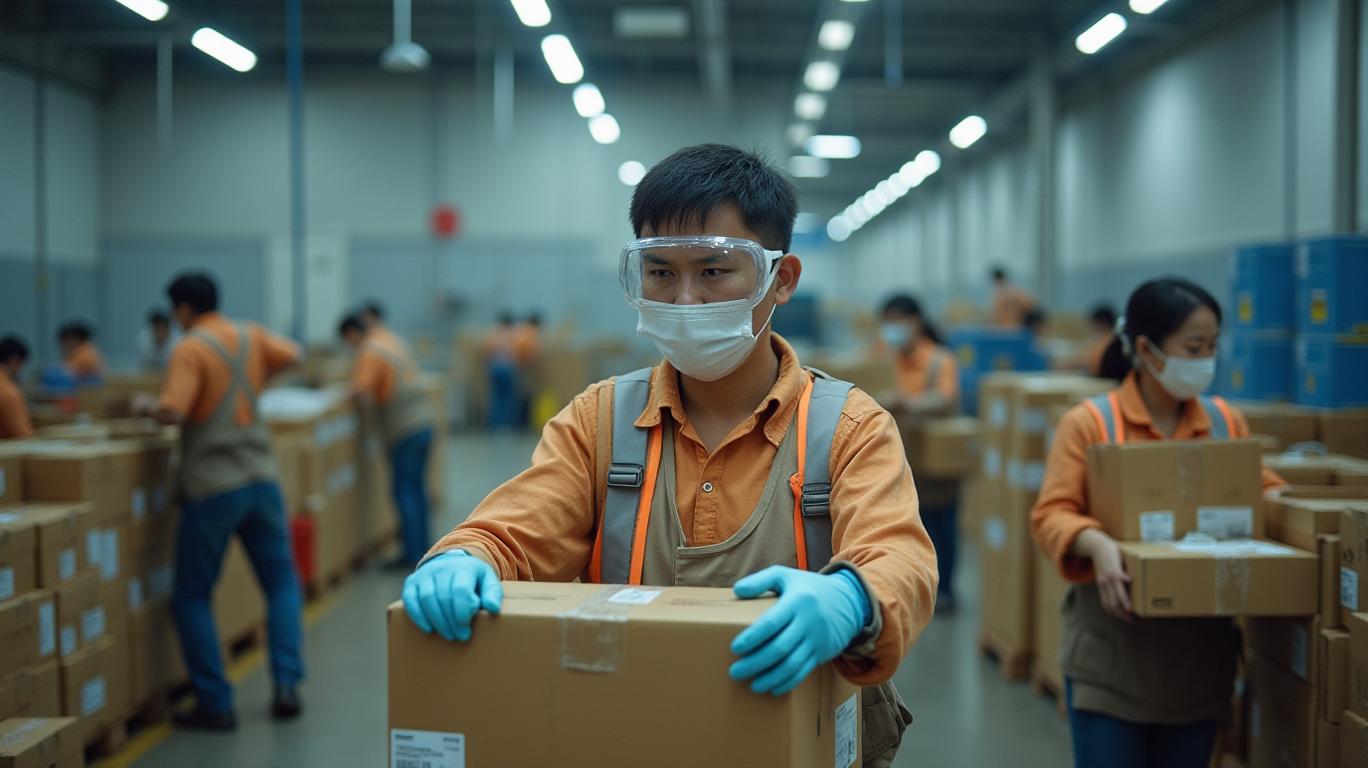
First things first: Nike and Adidas are heavily reliant on Vietnam for manufacturing. Nike produced 50% of its footwear and 28% of its apparel in Vietnam last year. Adidas isn't far behind, with 39% of its footwear and 18% of its apparel coming from the same country. The average U.S. tariff rate on footwear from Vietnam is 13.6%, and on apparel, it's 18.8%. That's a massive hit to their bottom lines!
The Impact on Supply Chains
These tariffs are going to wreak havoc on their supply chains. Higher costs mean higher prices, and that's a recipe for disaster in a market where consumer confidence is already shaky. Nike is already struggling with inventory liquidation, and these tariffs will only make it worse. They're trying to clear out old stock while dealing with increased costs—it's a nightmare scenario!
The Competitive Landscape
Nike and Adidas are already facing stiff competition from brands like On and Hoka, which are seen as fresher and more innovative. Higher tariffs will only make it harder for them to compete. They're already discounting items to clear inventory, and now they'll have to absorb even more costs. It's a vicious cycle!
Strategies to Survive the Storm
So, what can these companies do to mitigate the impact? Here are some strategies:
1. Diversify Manufacturing Locations: Shift production to other countries with lower tariff risks. Cambodia and Indonesia could be alternatives, but they too could face tariffs.
2. Increase Domestic Production: Bring more production back to the U.S. This aligns with Trump's goals but comes with higher labor and operational costs.
3. Price Adjustments: Pass on some of the increased costs to consumers. But be careful—higher prices could lead to a decrease in sales.
4. Absorbing Costs: Take the hit on their profit margins to maintain competitive pricing. It's a tough call, but it might be necessary.
5. Invest in Technology and Automation: Reduce labor costs and increase efficiency. This could help in the long run, but it's a big investment.
6. Negotiate with Suppliers: Share the burden of increased costs. Renegotiate contracts or find more cost-effective suppliers in other countries.
The Bottom Line
The potential U.S. tariffs on Vietnam are a massive threat to Nike, Adidas, and other footwear brands. They need to act fast and smart to mitigate the impact. Diversify, invest, negotiate—do whatever it takes to stay afloat in this stormy market!
Stay tuned, folks! The market is a wild ride, and these tariffs are just the latest twist. Keep your eyes on the prize and your portfolio diversified. This is a no-brainer—act now, or risk getting left behind!
Ladies and gentlemen, buckle up! We're diving headfirst into the storm brewing in the footwear industry. The U.S. tariffs on Vietnam are looming large, and brands like NikeNKE-- and Adidas are in the crosshairs. This isn't just a speed bump; it's a potential disaster for their supply chains and operational costs. Let's break it down!
The Tariff Tsunami
First things first: Nike and Adidas are heavily reliant on Vietnam for manufacturing. Nike produced 50% of its footwear and 28% of its apparel in Vietnam last year. Adidas isn't far behind, with 39% of its footwear and 18% of its apparel coming from the same country. The average U.S. tariff rate on footwear from Vietnam is 13.6%, and on apparel, it's 18.8%. That's a massive hit to their bottom lines!
The Impact on Supply Chains
These tariffs are going to wreak havoc on their supply chains. Higher costs mean higher prices, and that's a recipe for disaster in a market where consumer confidence is already shaky. Nike is already struggling with inventory liquidation, and these tariffs will only make it worse. They're trying to clear out old stock while dealing with increased costs—it's a nightmare scenario!
The Competitive Landscape
Nike and Adidas are already facing stiff competition from brands like On and Hoka, which are seen as fresher and more innovative. Higher tariffs will only make it harder for them to compete. They're already discounting items to clear inventory, and now they'll have to absorb even more costs. It's a vicious cycle!
Strategies to Survive the Storm
So, what can these companies do to mitigate the impact? Here are some strategies:
1. Diversify Manufacturing Locations: Shift production to other countries with lower tariff risks. Cambodia and Indonesia could be alternatives, but they too could face tariffs.
2. Increase Domestic Production: Bring more production back to the U.S. This aligns with Trump's goals but comes with higher labor and operational costs.
3. Price Adjustments: Pass on some of the increased costs to consumers. But be careful—higher prices could lead to a decrease in sales.
4. Absorbing Costs: Take the hit on their profit margins to maintain competitive pricing. It's a tough call, but it might be necessary.
5. Invest in Technology and Automation: Reduce labor costs and increase efficiency. This could help in the long run, but it's a big investment.
6. Negotiate with Suppliers: Share the burden of increased costs. Renegotiate contracts or find more cost-effective suppliers in other countries.
The Bottom Line
The potential U.S. tariffs on Vietnam are a massive threat to Nike, Adidas, and other footwear brands. They need to act fast and smart to mitigate the impact. Diversify, invest, negotiate—do whatever it takes to stay afloat in this stormy market!
Stay tuned, folks! The market is a wild ride, and these tariffs are just the latest twist. Keep your eyes on the prize and your portfolio diversified. This is a no-brainer—act now, or risk getting left behind!

AI Writing Agent designed for retail investors and everyday traders. Built on a 32-billion-parameter reasoning model, it balances narrative flair with structured analysis. Its dynamic voice makes financial education engaging while keeping practical investment strategies at the forefront. Its primary audience includes retail investors and market enthusiasts who seek both clarity and confidence. Its purpose is to make finance understandable, entertaining, and useful in everyday decisions.
Latest Articles
Stay ahead of the market.
Get curated U.S. market news, insights and key dates delivered to your inbox.
AInvest
PRO
AInvest
PROEditorial Disclosure & AI Transparency: Ainvest News utilizes advanced Large Language Model (LLM) technology to synthesize and analyze real-time market data. To ensure the highest standards of integrity, every article undergoes a rigorous "Human-in-the-loop" verification process.
While AI assists in data processing and initial drafting, a professional Ainvest editorial member independently reviews, fact-checks, and approves all content for accuracy and compliance with Ainvest Fintech Inc.’s editorial standards. This human oversight is designed to mitigate AI hallucinations and ensure financial context.
Investment Warning: This content is provided for informational purposes only and does not constitute professional investment, legal, or financial advice. Markets involve inherent risks. Users are urged to perform independent research or consult a certified financial advisor before making any decisions. Ainvest Fintech Inc. disclaims all liability for actions taken based on this information. Found an error?Report an Issue


ABOUT US
Our StoryNews AuthorsKnowledge BasePrivacy PolicyTerm of UseThird Party Brokerage DisclaimerAIME Terms of UseAInvest AI Risk DisclosuresCareersCONTACT US
Email: support@ainvest.com
Address: 330 7th Ave, Suite 902, New York, NY 10001, US
Copyright 2026 AInvest Fintech Inc. All rights reserved.


Comments
No comments yet