
Trump's "Schedule F" Order Targets 50,000 Federal Jobs
President Donald Trump has reinstated the "Schedule F" executive order, aiming to streamline the dismissal process for federal employees. This move targets approximately 50,000 policy-related positions, reclassifying them as "at-will" employees. This change allows the government to more easily dismiss staff deemed "disloyal" or underperforming, bypassing traditional job protections that have been in place for over a century.
The "Schedule F" order marks a significant shift from the Pendleton Civil Service Reform Act of 1883, which established a neutral civil service system. Under this new policy, federal agencies are mandated to submit proposals for restructuring these positions by a specified deadline. Critics have raised concerns that this policy could lead to a "politically-purged" government, undermining the professional civil service system and potentially resulting in the loss of institutional knowledge and expertise.
The administration argues that this initiative is necessary to enhance the efficiency and responsiveness of the federal government. By making it easier to dismiss underperforming employees, agencies can better adapt to changing needs and priorities. However, opponents worry that the streamlined process could be misused to target employees based on political affiliations or personal biases, rather than performance metrics.
The impact of this executive order is expected to be substantial, affecting a wide range of federal agencies and departments. Policy-related positions in areas such as environmental regulation, healthcare policy, and national security are among those anticipated to be affected. The administration has indicated that the changes will be implemented gradually to ensure a smooth transition.
This move is part of a broader effort by the Trump administration to reduce the size and scope of the federal workforce. Previous initiatives have included hiring freezes and the elimination of certain federal programs and positions. The administration maintains that these measures are essential to address the growing national debt and ensure responsible use of taxpayer dollars.
The long-term effects of this policy remain uncertain, and the debate over its merits is likely to continue. While the administration believes that the changes will lead to a more dynamic and responsive workforce, critics remain concerned about the potential loss of institutional knowledge and the risk of political bias in the dismissal process. The implementation of this policy will be closely watched as it unfolds in the coming months. 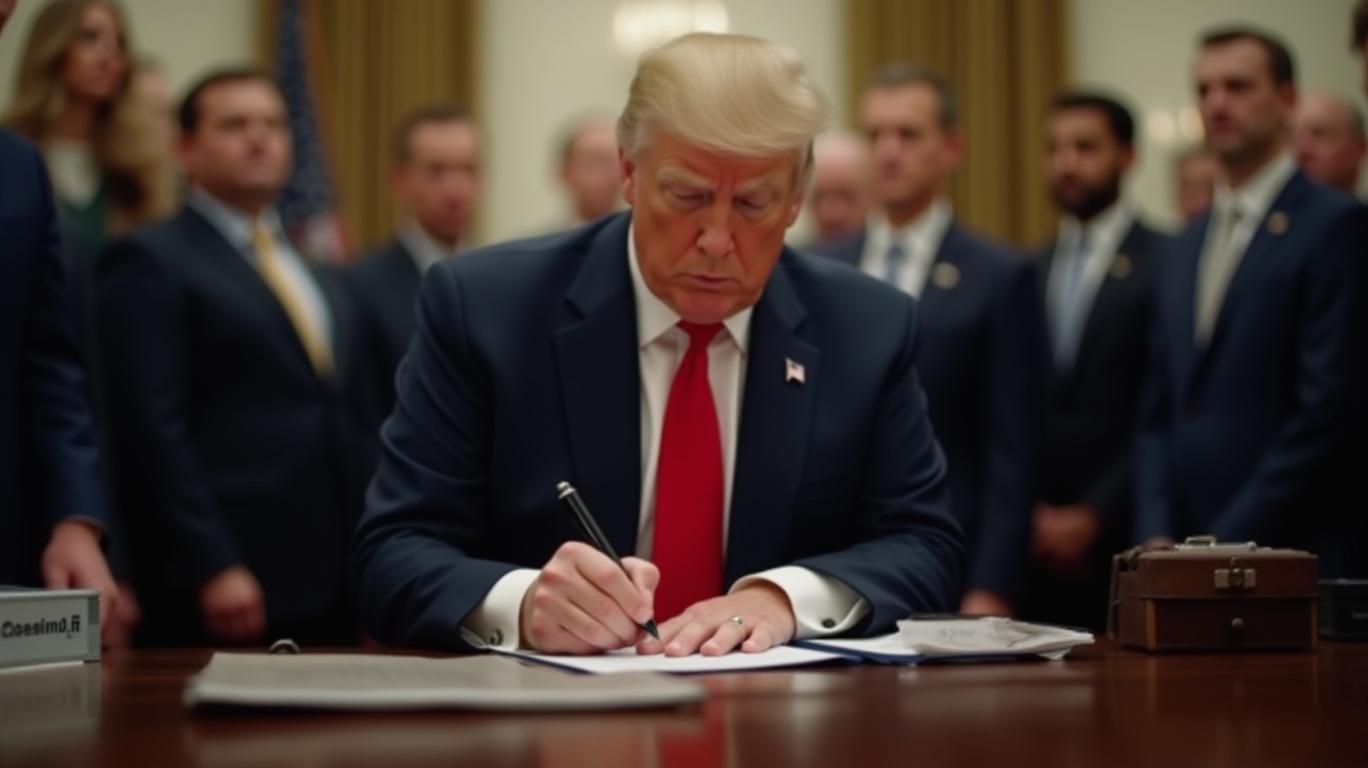

Stay ahead of the market.
Get curated U.S. market news, insights and key dates delivered to your inbox.


AInvest
PRO
AInvest
PRO



Comments
No comments yet