
Trump Pardons BitMEX Co-Founders, Shifts Crypto Regulation
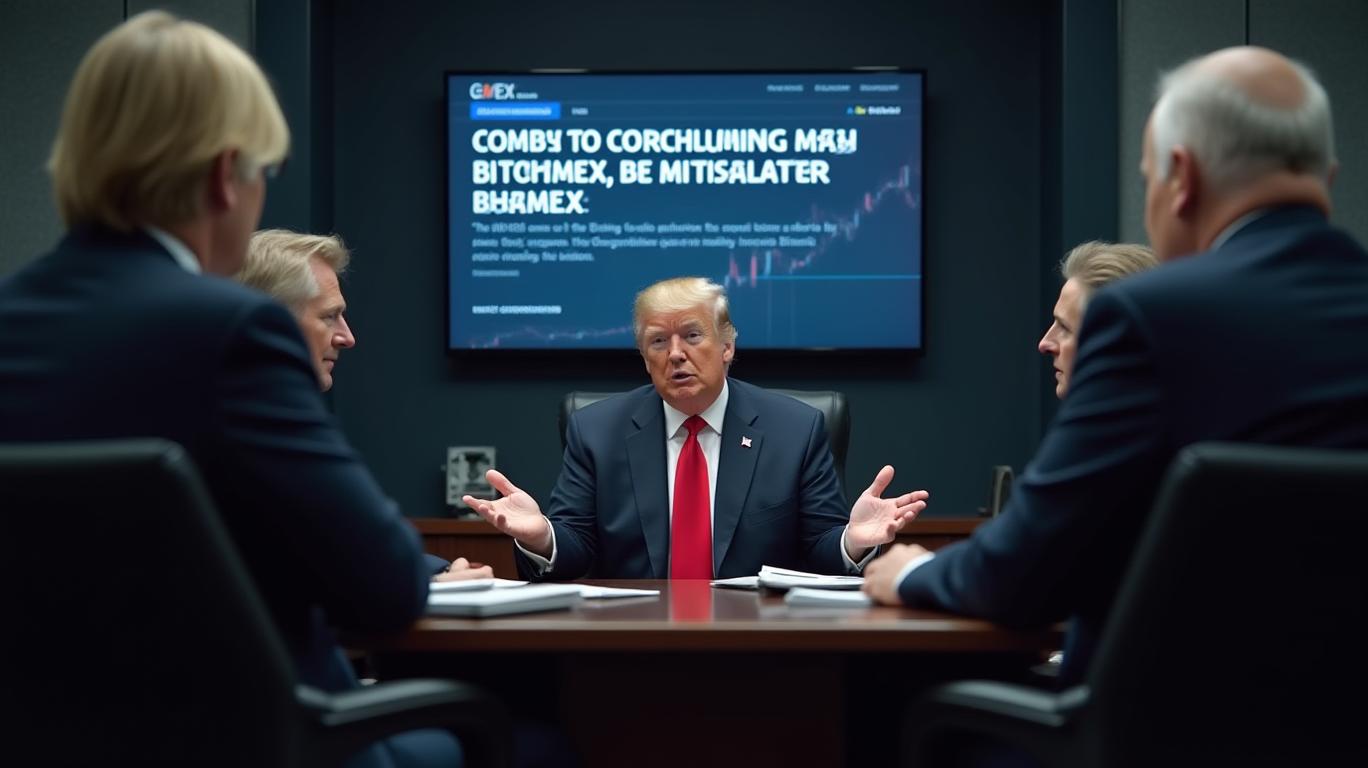
President Donald Trump's decision to issue a full pardon to BitMEX co-founders Arthur Hayes, Benjamin Delo, and Samuel Reed has sparked significant attention in the cryptocurrency world. These executives had previously pleaded guilty to violating the Bank Secrecy Act (BSA), and their pardon comes three months after BitMEX reached an agreement with the U.S. Department of Justice (DoJ) in July 2024. This move is seen as a pivotal moment for cryptocurrency guidelines in the United States, potentially shifting how financial crimes related to digital assets are addressed.
Before the pardon, BitMEX executives were held accountable for their lax compliance standards, particularly their email-only registration policy, which violated federal regulations. The DoJ's strong action led to fines and penalties, but the presidential pardon has now cleared their records. This development has reignited debates about crypto-market trends and the future of enforcement strategies, with some viewing it as a political assertion favoring the crypto sector and others seeing it as a precedent for similar cases.
Arthur Hayes’s pardon aligns with a broader shift in regulatory methods under President Trump. This shift has led to speculation about how future digital asset oversight will be handled. A notable example is the SEC’s recent decision to drop charges against Hailey Welch after investigating the controversial $HAWK token. Previously, the SEC pursued stringent enforcement measures against individuals and firms involved in digital asset violations. However, the decision to clear Welch of misconduct suggests a move toward structured governance, potentially influencing broader digital asset oversight.
The future of U.S. SEC crypto policies will largely depend on the direction taken by the new SEC Chair nominee Paul Atkins. Known for his pro-business stance, Atkins has promised clear regulatory recommendations for the cryptocurrency industry, moving away from the enforcement-heavy approach considered under the former SEC Chair. His role is predicted to influence crypto-market trends and how institutional traders interact with digital assets. However, Atkins’ financial interest in the cryptocurrency sector has raised concerns, with reports suggesting that he holds nearly $6 million in digital asset investments, which could pose potential conflicts of interest. Critics, including Senator Elizabeth Warren, have questioned whether his ties to the enterprise might have impacted his decisions.
The Arthur Hayes presidential pardon marks a substantial moment in crypto regulation in the United States. It signals a possible policy shift under Trump, favoring less punitive measures for crypto-related offenses while promoting enterprise growth. Many industry experts accept this as accurate, which can positively affect digital asset investment strategies. The evolving stance of the U.S. SEC crypto policies, along with Paul Atkins’s leadership, will decide the future trajectory of digital asset regulations. While this should open doors for broader institutional participation, economic conflicts of interest continue to be an essential issue. As crypto-market trends evolve, investors, traders, and policymakers will closely watch how these changes shape the industry in the coming years.

Stay ahead of the market.
Get curated U.S. market news, insights and key dates delivered to your inbox.


AInvest
PRO
AInvest
PRO



Comments
No comments yet