
Trump Joins U.S.-Japan Trade Talks, Seeks Fairness on Tariffs, Military Costs
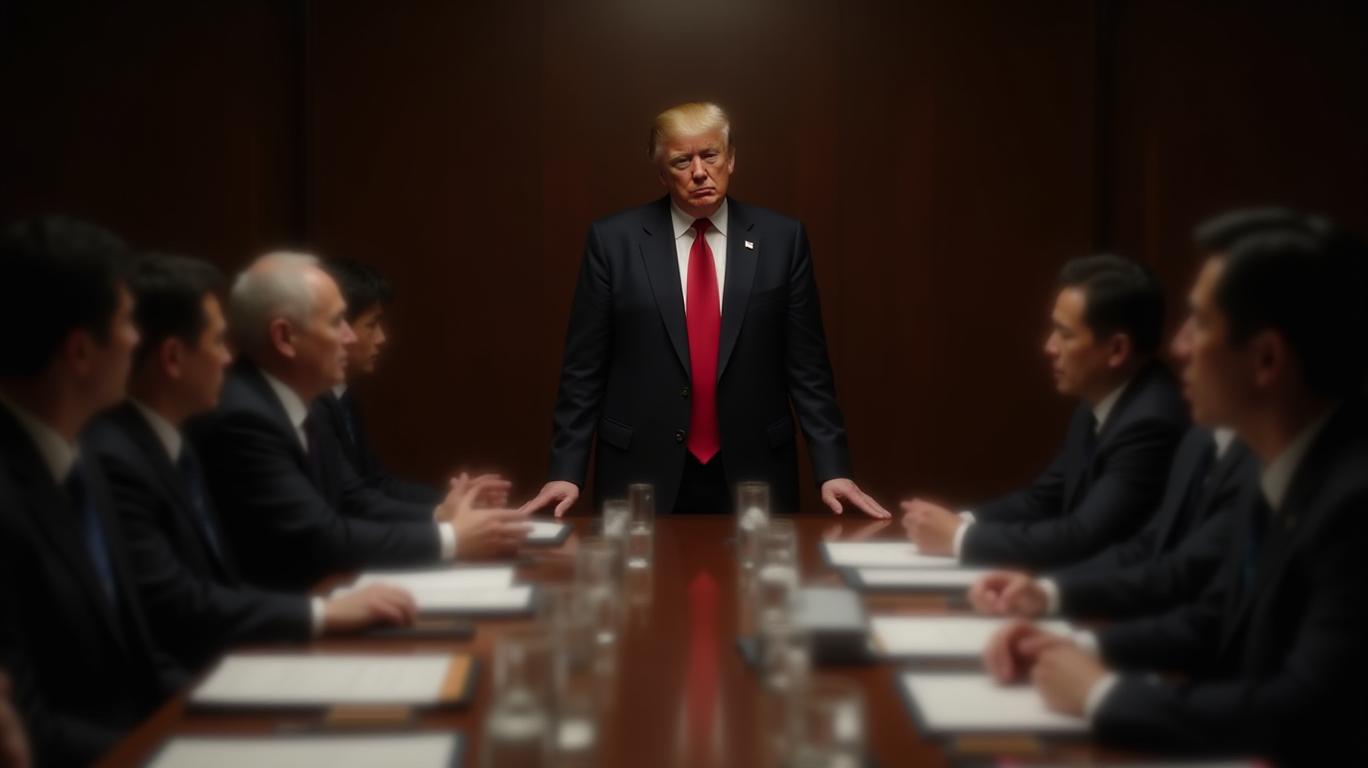
On April 17, U.S. President Donald Trump unexpectedly participated in trade negotiations with Japanese officials, declaring that significant progress had been made. Trump made the announcement on his social media platform, Truth Social, but did not provide specific details about the negotiations.
The exact topics discussed during the Wednesday meeting between U.S. and Japanese officials remain unclear. However, some pre-meeting statements from both sides may offer clues. Japanese Economic Revitalization Minister Akira Amari arrived in Washington on April 16 to initiate the talks and was scheduled to brief reporters that evening on the meeting's details.
Amari had initially hoped to limit the discussion to trade and investment issues. However, Trump indicated earlier in the day that he would also participate in the negotiations and raise questions, including how much Tokyo contributes to the costs of hosting U.S. military forces in Japan. The U.S. has its largest overseas military deployment in Japan.
“Japan is coming to talk about tariffs, military support costs, and trade fairness. I will be attending the meeting with the Secretary of the Treasury and the Secretary of Commerce. I hope we can find a solution that benefits both Japan and the United States!” Trump posted on Truth Social.
U.S. Treasury Secretary Janet Yellen and Commerce Secretary Gina Raimondo, along with other officials, attended the meeting with the Japanese trade delegation. Yellen also aimed to discuss the contentious issue of currency rates with Japan. Trump has long complained about the U.S. trade deficit with countries like Japan, asserting that other nations deliberately maintain weak currencies to disadvantage U.S. businesses. Japan has denied manipulating the yen to gain trade advantages.
Yellen had previously expressed her desire to reach an agreement covering tariffs, non-tariff barriers, and currency rates. However, Japan has been lobbying to discuss the currency issue separately. Yellen also mentioned that Japan might invest in a multi-billion-dollar natural gas project in Alaska, which could be another topic of discussion.
Amari stated before his departure that Japan's commitment to expanding investments in the U.S. would help convince the U.S. that a "win-win" scenario could be achieved without tariffs. Earlier this month, Trump signed two executive orders in the White House regarding "reciprocal tariffs," announcing a 10% "minimum baseline tariff" on U.S. trading partners and higher tariffs on certain partners, including a 24% tariff on Japanese imports.
Last week, the U.S. announced a 90-day suspension of high "reciprocal tariffs" on dozens of countries, including Japan, but the 10% baseline tariff would remain in effect to allow time for negotiations with the Trump administration. For Japan, in addition to the 10% general tariff rate, a 25% tariff on automobiles also remains. This has had a significant impact on the Japanese economy, which heavily relies on exports, with automobiles being a key export category.
The U.S. had previously stated that, as one of the first countries to engage in trade talks with the U.S., Japan has a "first-mover advantage." However, Japanese Prime Minister Fumio Kishida stated on Monday that Japan does not intend to make significant concessions in trade talks with the U.S. and is not in a hurry to reach an agreement. He also ruled out the possibility of retaliatory measures against U.S. tariffs.

Stay ahead of the market.
Get curated U.S. market news, insights and key dates delivered to your inbox.


AInvest
PRO
AInvest
PRO



Comments
No comments yet