
Trump Gives Iran Two-Month Ultimatum for Nuclear Deal
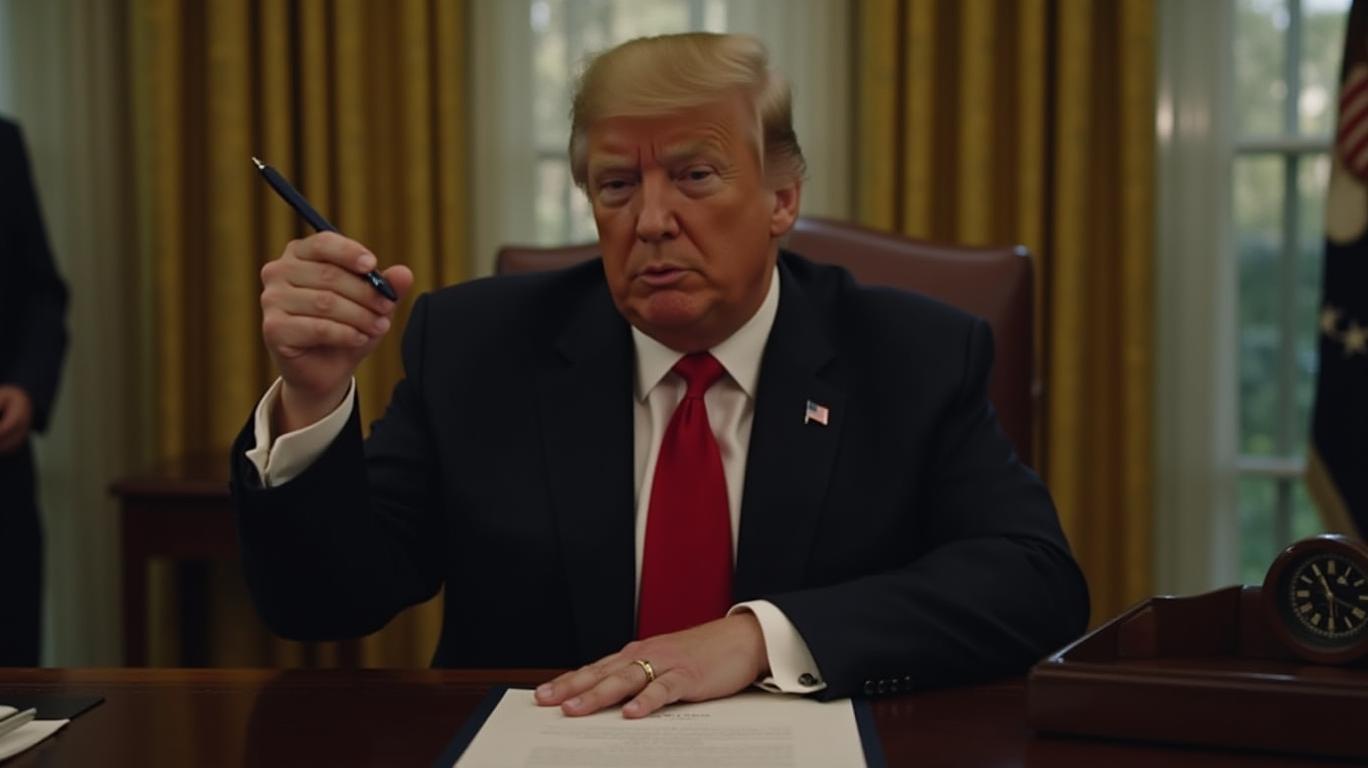
U.S. President Donald Trump issued a stern warning to Iran on March 28, stating that if Iran does not reach a new nuclear agreement, it will face severe consequences. Speaking from the Oval Office, Trump proposed negotiations for a new nuclear deal and explicitly stated that Iran must reach an agreement within two months. This ultimatum comes as tensions between the U.S. and Iran continue to escalate, with both sides engaged in a delicate diplomatic dance.
Trump's warning was part of a broader strategy to pressure Iran into compliance with U.S. demands. The U.S. has long maintained that Iran's nuclear program poses a threat to regional stability and global security. By setting a two-month deadline, Trump aims to accelerate the negotiation process and force Iran to make concessions.
The potential consequences of Iran's failure to reach a new nuclear agreement are significant. Trump's warning of a "very bad, very bad" outcome suggests that the U.S. is prepared to take drastic measures, including the reimposition of economic sanctions and potential military action. These measures could have far-reaching implications for Iran's economy and its relations with the international community.
The U.S. has a history of using economic sanctions as a tool to exert pressure on Iran. In 2018, Trump withdrew from the JointJYNT-- Comprehensive Plan of Action (JCPOA), a multilateral agreement aimed at curbing Iran's nuclear ambitions. The withdrawal led to the reimposition of U.S. sanctions, which have had a devastating impact on Iran's economy.
The Iranian Supreme Leader, Ayatollah Ali Khamenei, responded to Trump's warning on March 21, asserting that the U.S. should be aware of the implications of its actions. Khamenei's statement underscores the deep-seated mistrust between the two nations, which has been a significant obstacle in previous attempts to reach a nuclear agreement.
Iranian Foreign Minister Mohammad Javad Zarif, on March 27, stated that Iran had responded to Trump's letter through Oman, in an appropriate manner. Zarif emphasized that Iran's policy is not to engage in direct negotiations with the U.S. under extreme pressure and military threats, but that indirect talks, which have occurred in the past, can continue.
The current standoff between the U.S. and Iran highlights the challenges of diplomacy in the face of deep-seated mistrust and competing interests. Both sides have made it clear that they are unwilling to compromise on their core demands, making the path to a new nuclear agreement fraught with obstacles.
The international community has a vested interest in resolving the nuclear standoff between the U.S. and Iran. A failure to reach a new agreement could have serious implications for regional stability and global security. The U.S. and Iran must find a way to bridge their differences and work towards a mutually acceptable solution.

Stay ahead of the market.
Get curated U.S. market news, insights and key dates delivered to your inbox.


AInvest
PRO
AInvest
PRO



Comments
No comments yet