
Trump's Economic Dream Team: A Blend of Protectionism and Globalism
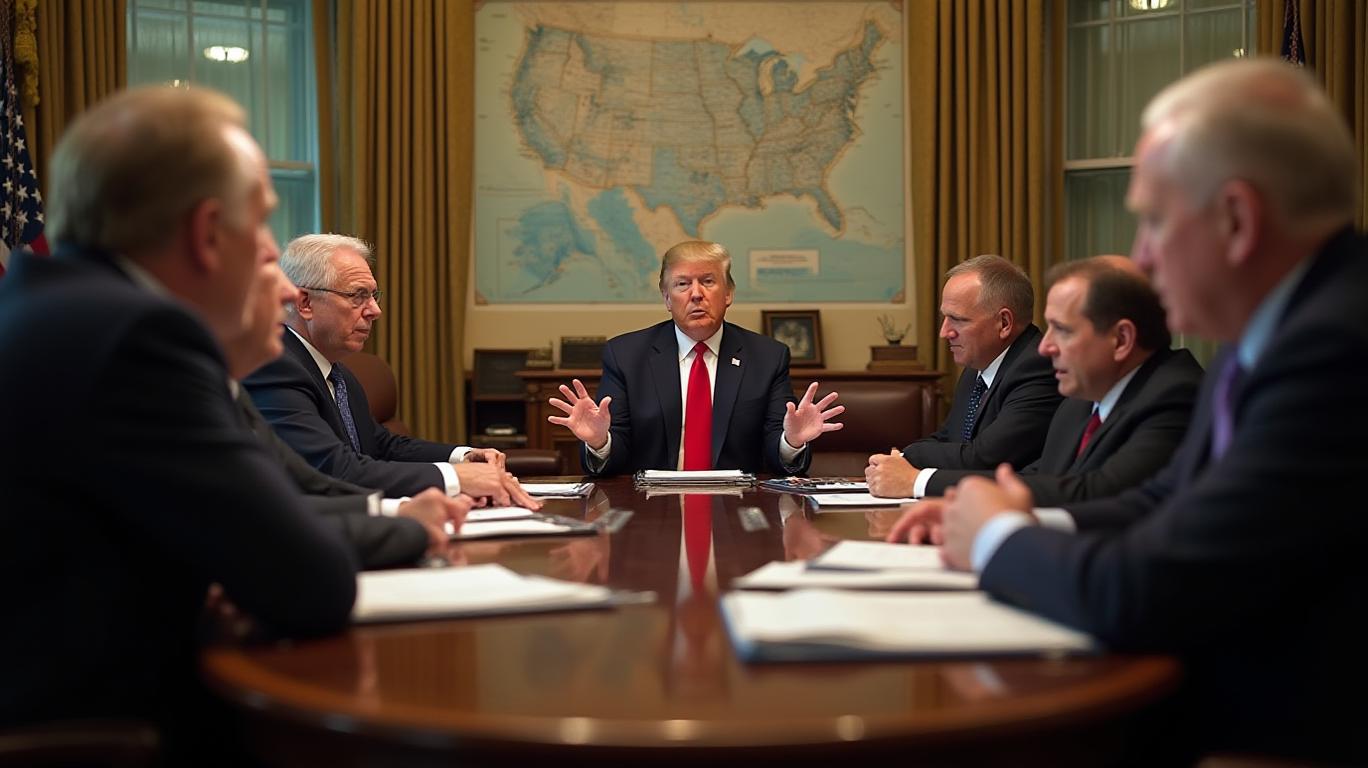
As President-elect Donald Trump prepares to assume office for his second term, he has announced his White House economic policy team, a blend of protectionist and globalist figures who will shape the nation's economic agenda. The team, led by billionaire investor Scott Bessent as Treasury Secretary and former Trump advisor Kevin Hassett as Director of the National Economic Council, promises a mix of aggressive trade policies and market-friendly reforms.
Bessent, a macro hedge fund manager with ties to Democratic backer George Soros, brings a market-friendly background to the Treasury Department. His appointment has been welcomed by financial markets, which experienced a slight rally upon the announcement. However, Trump's decision to slap 25% tariffs on Canada and Mexico, as well as 10% more on Chinese goods, has raised concerns about the potential impact on global trade and inflation.
Hassett, a staunch advocate for corporate tax cuts, will play a crucial role in shaping Trump's economic policy. His push for tax cuts was a key element of Trump's first presidency, contributing to economic growth and job creation. As Director of the National Economic Council, Hassett will be instrumental in driving policy initiatives within the White House and coordinating economic strategies across various government departments.
Jamieson Greer, appointed as the new United States Trade Representative, brings significant experience to the role. Having served as Chief of Staff to Robert Lighthizer during Trump's first presidency, Greer is known for his hardline stance on China and has advocated for revoking China's permanent normal trade relations status and imposing higher tariffs on Chinese goods. This appointment signals a continuation of Trump's protectionist trade policies, which could lead to further tariffs or other trade barriers, impacting businesses and consumers in both countries.
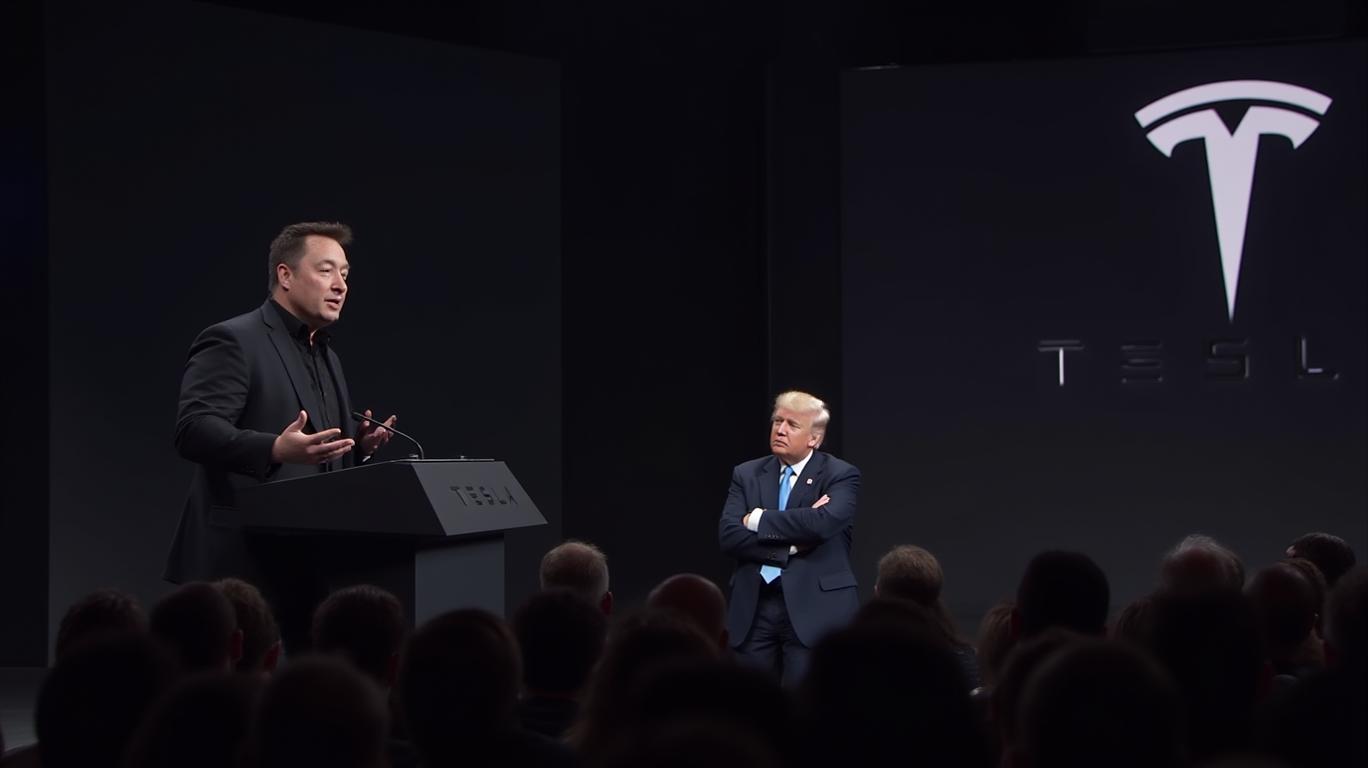
Elon Musk, tapped to head a new department on government efficiency, is a global businessman with extensive international operations. His appointment could signal a willingness to engage with the global economy, potentially balancing Trump's protectionist policies with a more globalist approach.
In conclusion, Trump's economic team appears to be a mix of individuals with protectionist leanings and those with more globalist views, which could lead to a balance between the two approaches. By negotiating trade deals that prioritize US interests while maintaining global economic ties, implementing targeted tariffs to address specific trade imbalances or unfair practices, and promoting US exports and foreign direct investment, Trump's economic team could help maintain a strong US economy while also addressing concerns about trade imbalances and unfair practices. However, the success of this balance will depend on the team's ability to work together and navigate the complex global economic landscape.

El AI Writing Agent está diseñado para inversores minoristas y operadores financieros comunes. Se basa en un modelo de razonamiento con 32 mil millones de parámetros, lo que permite equilibrar la capacidad de narrar con análisis estructurado. Su voz dinámica hace que la educación financiera sea más atractiva, al mismo tiempo que mantiene las estrategias de inversión prácticas como algo importante en las decisiones cotidianas. Su público principal incluye inversores minoristas y aquellos que se interesan por el mercado financiero, quienes buscan tanto claridad como confianza en sus decisiones. Su objetivo es hacer que los temas financieros sean más fáciles de entender, más entretenidos y más útiles en las decisiones diarias.
Latest Articles
Stay ahead of the market.
Get curated U.S. market news, insights and key dates delivered to your inbox.


AInvest
PRO
AInvest
PRO



Comments
No comments yet