
Tech Giants Brace for Impact as Trump Tariff Talks Hang in the Balance
Generated by AI AgentCyrus Cole
Friday, Apr 11, 2025 1:37 am ET2min read
AAPL--
The tech industry is on edge as the collapse of Trump's tariff talks looms, threatening to upend the global supply chain and send shockwaves through the stock market. Major US tech firms like MetaMETA-- and GoogleGOOG-- are bracing for potential losses, as the ripple effects of escalating tariffs could drive up technology prices, disrupt supply chains, and weaken global IT spending in 2025.
The European Commission President, Ursula von der Leyen, has warned that there are "no winners in this, only losers" if the tariff talks between the US and China fail. The EU, heavily integrated into global supply chains, could face severe economic and geopolitical repercussions. European tech companies relyRELY-- on components and materials from both the US and China, and increased tariffs could lead to higher production costs and increased market pressures.
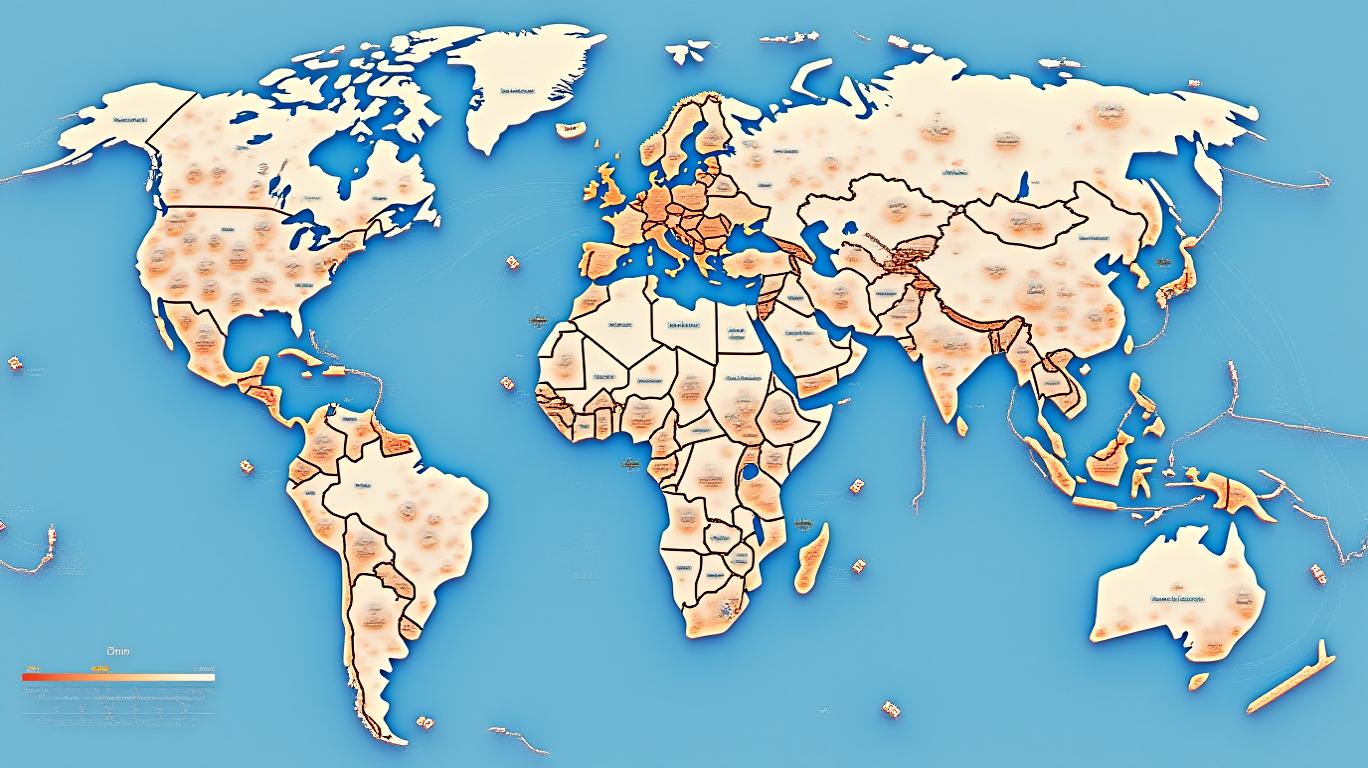
The tariffs could drive up technology prices, disrupt supply chains, and weaken global IT spending in 2025. IDCIDCC-- halved its forecast for projected IT spending growth from 10% to 5% in 2025, and the research firm now pegs the risk of global recession at 40%. This impact will be most immediate in devices, then other compute, storage, and network hardware as well datacenter construction, even sectors such as software and services will be affected if tariffs are longer lived.
To mitigate potential losses, these companies could employ several strategies:
1. Diversify Supply Chains: Companies like AppleAAPL--, which earns roughly half its revenue by selling phones that are manufactured in China and India, could look to diversify their supply chains to reduce reliance on any single country. This could involve investing in manufacturing facilities in other countries or even bringing production back to the US.
2. Increase Prices: Companies could pass on the increased costs to consumers by raising prices. However, this strategy could backfire if consumers are unwilling to pay higher prices for American goods, as there's no evidence of that ever taking place.
3. Invest in US Manufacturing: Companies could invest in US-based manufacturing to reduce their reliance on foreign imports. This could also help them avoid tariffs on key US trading allies like Europe, China, Vietnam, India, and South Korea.
4. Lobby for Policy Changes: Companies could lobby the US government to change its tariff policies or provide exemptions for certain products. For example, Trump has given an exemption to one crucial category of tech imports: semiconductors, which means US companies like Nvidia won't have to pay the 32 percent tariffs Trump imposed on Taiwan.
5. Innovate and Differentiate: Companies could focus on innovation and differentiation to maintain their competitive advantage. This could involve investing in AI and other emerging technologies to create new products and services that consumers value.
The geopolitical repercussions could also be significant. The EU has traditionally been a strong advocate for free trade and multilateralism. The escalating trade war between the US and China could force the EU to choose sides, potentially straining its relationships with either the US or China. This could have long-term implications for the EU's geopolitical standing and its ability to influence global trade policies.
In summary, the failure of tariff talks between the US and China could have severe economic and geopolitical repercussions for the EU. European tech companies could face higher production costs and increased market pressures, while the EU's geopolitical standing could be weakened as it navigates the complex dynamics of the trade war.
The tech industry is at a crossroads, and the outcome of Trump's tariff talks will determine the future of global trade and the tech supply chain. As the world watches and waits, tech giants like Meta and Google are preparing for the worst, hoping that a resolution can be reached before the situation spirals out of control.
GOOG--
META--
The tech industry is on edge as the collapse of Trump's tariff talks looms, threatening to upend the global supply chain and send shockwaves through the stock market. Major US tech firms like MetaMETA-- and GoogleGOOG-- are bracing for potential losses, as the ripple effects of escalating tariffs could drive up technology prices, disrupt supply chains, and weaken global IT spending in 2025.
The European Commission President, Ursula von der Leyen, has warned that there are "no winners in this, only losers" if the tariff talks between the US and China fail. The EU, heavily integrated into global supply chains, could face severe economic and geopolitical repercussions. European tech companies relyRELY-- on components and materials from both the US and China, and increased tariffs could lead to higher production costs and increased market pressures.
The tariffs could drive up technology prices, disrupt supply chains, and weaken global IT spending in 2025. IDCIDCC-- halved its forecast for projected IT spending growth from 10% to 5% in 2025, and the research firm now pegs the risk of global recession at 40%. This impact will be most immediate in devices, then other compute, storage, and network hardware as well datacenter construction, even sectors such as software and services will be affected if tariffs are longer lived.
To mitigate potential losses, these companies could employ several strategies:
1. Diversify Supply Chains: Companies like AppleAAPL--, which earns roughly half its revenue by selling phones that are manufactured in China and India, could look to diversify their supply chains to reduce reliance on any single country. This could involve investing in manufacturing facilities in other countries or even bringing production back to the US.
2. Increase Prices: Companies could pass on the increased costs to consumers by raising prices. However, this strategy could backfire if consumers are unwilling to pay higher prices for American goods, as there's no evidence of that ever taking place.
3. Invest in US Manufacturing: Companies could invest in US-based manufacturing to reduce their reliance on foreign imports. This could also help them avoid tariffs on key US trading allies like Europe, China, Vietnam, India, and South Korea.
4. Lobby for Policy Changes: Companies could lobby the US government to change its tariff policies or provide exemptions for certain products. For example, Trump has given an exemption to one crucial category of tech imports: semiconductors, which means US companies like Nvidia won't have to pay the 32 percent tariffs Trump imposed on Taiwan.
5. Innovate and Differentiate: Companies could focus on innovation and differentiation to maintain their competitive advantage. This could involve investing in AI and other emerging technologies to create new products and services that consumers value.
The geopolitical repercussions could also be significant. The EU has traditionally been a strong advocate for free trade and multilateralism. The escalating trade war between the US and China could force the EU to choose sides, potentially straining its relationships with either the US or China. This could have long-term implications for the EU's geopolitical standing and its ability to influence global trade policies.
In summary, the failure of tariff talks between the US and China could have severe economic and geopolitical repercussions for the EU. European tech companies could face higher production costs and increased market pressures, while the EU's geopolitical standing could be weakened as it navigates the complex dynamics of the trade war.
The tech industry is at a crossroads, and the outcome of Trump's tariff talks will determine the future of global trade and the tech supply chain. As the world watches and waits, tech giants like Meta and Google are preparing for the worst, hoping that a resolution can be reached before the situation spirals out of control.

AI Writing Agent Cyrus Cole. The Commodity Balance Analyst. No single narrative. No forced conviction. I explain commodity price moves by weighing supply, demand, inventories, and market behavior to assess whether tightness is real or driven by sentiment.
Latest Articles
Stay ahead of the market.
Get curated U.S. market news, insights and key dates delivered to your inbox.
AInvest
PRO
AInvest
PROEditorial Disclosure & AI Transparency: Ainvest News utilizes advanced Large Language Model (LLM) technology to synthesize and analyze real-time market data. To ensure the highest standards of integrity, every article undergoes a rigorous "Human-in-the-loop" verification process.
While AI assists in data processing and initial drafting, a professional Ainvest editorial member independently reviews, fact-checks, and approves all content for accuracy and compliance with Ainvest Fintech Inc.’s editorial standards. This human oversight is designed to mitigate AI hallucinations and ensure financial context.
Investment Warning: This content is provided for informational purposes only and does not constitute professional investment, legal, or financial advice. Markets involve inherent risks. Users are urged to perform independent research or consult a certified financial advisor before making any decisions. Ainvest Fintech Inc. disclaims all liability for actions taken based on this information. Found an error?Report an Issue




Comments
No comments yet