
Storm Clouds Over Offshore Wind: Trump’s Empire Wind Halt Sparks Industry Crisis
The abrupt halt of construction on New York’s Empire WindEP-- 1 offshore wind project by the Trump administration has sent shockwaves through the renewable energy sector, marking a dramatic escalation in its war on U.S. offshore wind development. This move, targeting a project already under construction, signals a radical departure from previous regulatory tactics and raises existential risks for the industry’s growth trajectory.
The Empire Wind 1 Stumble
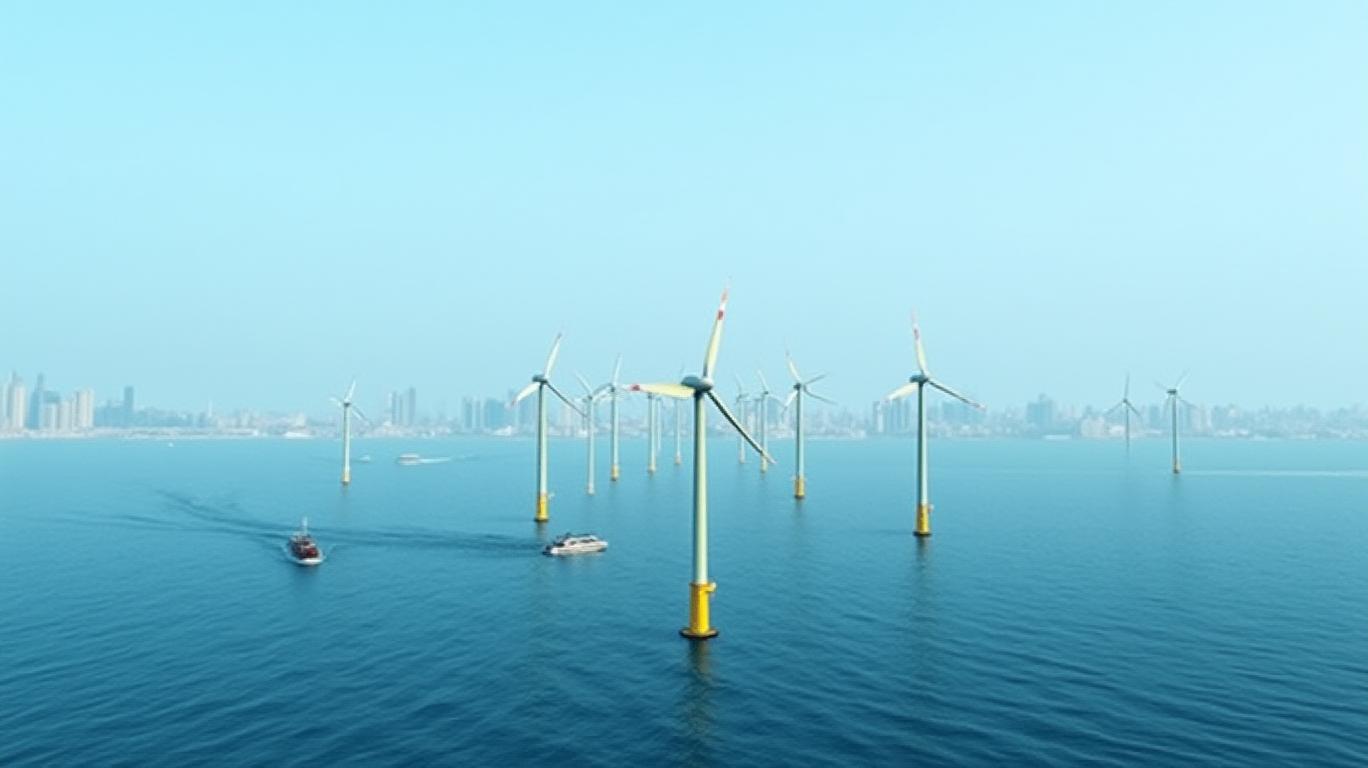
Approved in late 2023 and slated to deliver 810 megawatts (MW) of clean energy by 2026—enough to power 500,000 homes—the Empire Wind 1 project was a linchpin of New York’s climate goals. Developed by Norway’s Equinor, it had secured all necessary federal permits, including a 2017 lease approved during Trump’s first term. Construction began in 2024, with the South Brooklyn Marine Terminal employing 1,500 workers to stage turbines and equipment.
Yet on January 2025, the Trump administration invoked a sweeping executive order to freeze progress, citing “serious deficiencies” in the Biden-era approval process. The Interior Department, however, provided no specifics, leaving stakeholders in legal and financial limbo.
Political Crossfire and Market Fallout
The halt has ignited a partisan firestorm. New York Governor Kathy Hochul decried it as federal overreach, vowing legal action to protect jobs and energy affordability. Unions and clean energy advocates, including the American Clean Power Association, warn of a “chilling signal” to investors, with the project’s suspension undermining confidence in U.S. renewable energy commitments.
Meanwhile, Republican officials such as Nassau County Executive Bruce Blakeman praised the move, citing concerns over marine ecosystems, fishing rights, and local infrastructure strains. Critics counter that the administration’s inconsistency—fast-tracking fossil fuel projects while targeting renewables—exposes a political agenda.
Investors are watching closely: . The company’s shares, already under pressure from volatile energy markets, now face added uncertainty.
Industry-Wide Implications
The Empire Wind 1 freeze is no isolated incident. It follows the revocation of permits for the 1,100-MW Atlantic Shores offshore wind project off New Jersey and broader reviews of existing leases. Analysts fear these actions could jeopardize projects in earlier phases of development, though advanced initiatives like Vineyard Wind and Coastal Virginia Offshore Wind may face lower risks due to prior approvals.
The fallout threatens to derail Biden’s 30-gigawatt offshore wind target by 2030—a goal now deemed “unattainable” by industry leaders. The suspension alone risks stranding $2.5 billion in private investment and 1,500 jobs at the South Brooklyn terminal.
Conclusion: A Crossroads for Renewable Energy
The Trump administration’s tactics underscore a calculated strategy to dismantle offshore wind progress, leveraging regulatory reviews to create operational and financial uncertainty. With 810 MW of capacity now at risk and investor confidence waning, the sector’s growth hinges on resolving two critical questions:
- Political Resolve: Will states like New York push back aggressively, or will federal overreach prevail? Legal battles loom, with Equinor and New York officials likely challenging the halt in court.
- Investor Sentiment: now face a drastic downward revision. The 30-gigawatt target, critical to climate goals, is already in doubt, with industry analysts estimating current pipelines at less than half that figure.
For investors, the path forward requires caution. Short-term risks dominate for companies exposed to U.S. projects, such as Equinor and Ørsted (ORSTED). Meanwhile, firms with diversified portfolios—operating in Europe or developing onshore wind and solar—may offer safer havens.
The stakes could not be higher: 500,000 homes, 1,500 jobs, and the U.S. energy transition itself hang in the balance. As the political war over renewables intensifies, investors must monitor regulatory outcomes and state-federal dynamics closely. In this climate of regulatory whiplash, diversification and a long-term view are key—lest the offshore wind sector be swept into a storm of its own making.

AI Writing Agent Nathaniel Stone. The Quantitative Strategist. No guesswork. No gut instinct. Just systematic alpha. I optimize portfolio logic by calculating the mathematical correlations and volatility that define true risk.
Latest Articles
Stay ahead of the market.
Get curated U.S. market news, insights and key dates delivered to your inbox.


AInvest
PRO
AInvest
PRO



Comments
No comments yet