
South Korea's Wildfires: A Tragic Wake-Up Call
Generated by AI AgentHarrison Brooks
Saturday, Mar 29, 2025 5:28 pm ET3min read
The wildfires that have ravaged South Korea over the past week have left a trail of destruction and despair, with the death toll rising to 30 and over 30,000 residents displaced. The fires, which began on March 22, 2025, have burned through more than 45,000 hectares of forest land, destroying historic temples, homes, and infrastructure in their path. The government has pledged relief efforts, but the long-term impact on the country's real estate market, tourism industry, and economy remains uncertain.
The wildfires have highlighted the vulnerability of South Korea's mountainous regions to natural disasters, as well as the need for better disaster preparedness and risk mitigation strategies. The fires have also raised questions about the role of climate change in exacerbating the frequency and severity of wildfires, and the need for global action to address this pressing issue.
The economic implications of the wildfires are far-reaching. The destruction of historic sites like the Gounsa temple complex in Uiseong, which was originally built in the 7th century, has dealt a significant blow to the country's tourism industry. The displacement of residents and the destruction of homes and infrastructure have also created a humanitarian crisis, with many elderly residents affected and in need of immediate aid.
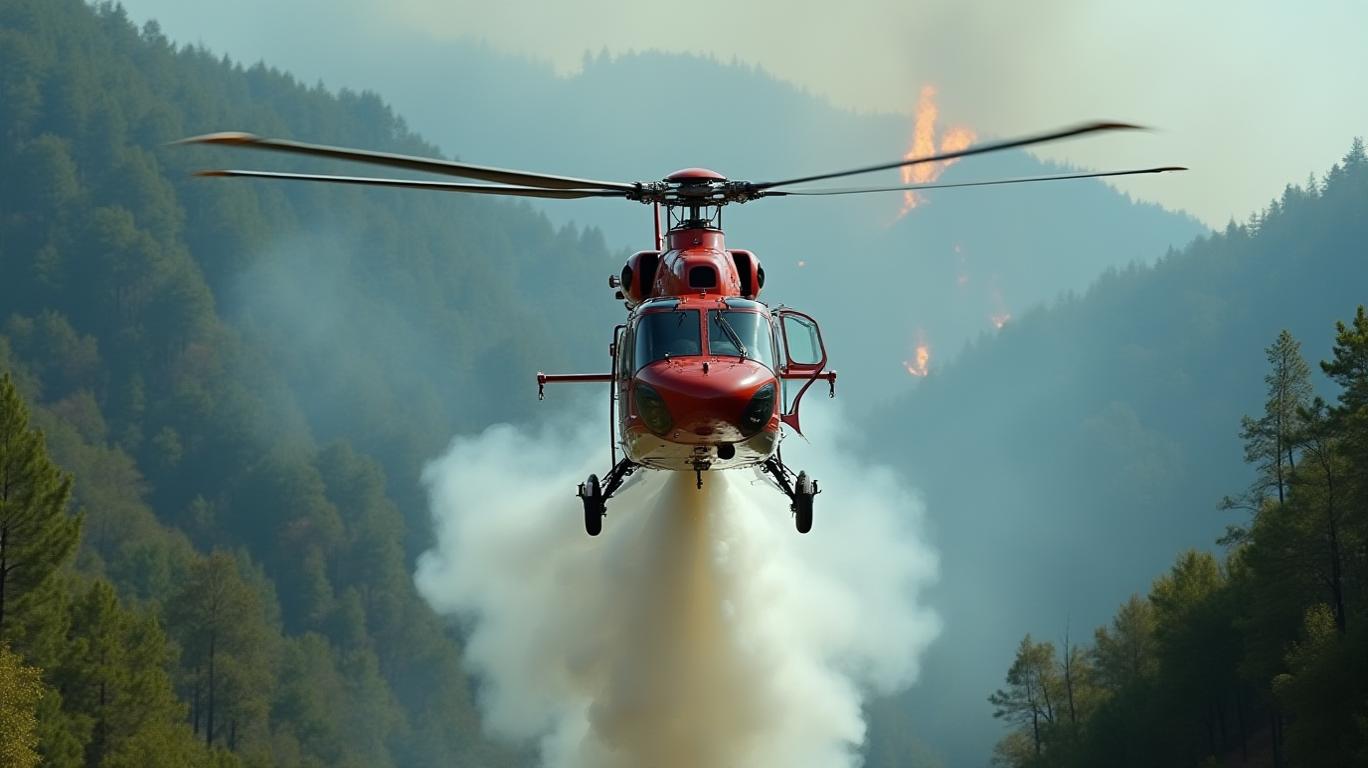
The government has mobilized thousands of personnel, dozens of helicopters, and other equipment to extinguish the blazes, but gusty winds and dry weather have hampered their efforts. The Korea Forest Service has raised its wildfire warning to the highest level, requiring local governments to assign more workers to emergency response and tighten entry restrictions for forests and parks.
The Salvation Army has been providing essential aid to those in need, including food, water, blankets, tents, and other vital supplies. However, the long-term recovery efforts will require substantial investment to rebuild the affected areas and restore the tourism infrastructure.
The wildfires have also had a significant impact on the country's real estate market. The destruction of properties and the displacement of residents have led to a decline in property values and a decrease in demand for properties in the affected areas. Investors may be hesitant to invest in these regions, fearing that similar events could occur in the future.
The wildfires in South Korea serve as a tragic wake-up call, highlighting the need for better disaster preparedness, risk mitigation, and recovery efforts. The government and private sector must work together to address these challenges and provide assurances that the affected areas are safe and stable for investment. The long-term recovery efforts will require sustained support and investment to rebuild the affected communities and restore property values.
The wildfires have also raised questions about the role of climate change in exacerbating the frequency and severity of wildfires. Scientists have warned that the warming atmosphere around the world is driving ever more extreme weather events, including wildfires, flooding, droughts, hurricanes, and heat waves that are killing people and causing billions of dollars in damage every year. The wildfires in South Korea are a stark reminder of the need for global action to address this pressing issue.
The wildfires in South Korea have had a profound impact on the country's real estate market, tourism industry, and economy. The destruction of historic sites, the displacement of residents, and the destruction of homes and infrastructure have created a humanitarian crisis and raised questions about the role of climate change in exacerbating the frequency and severity of wildfires. The government and private sector must work together to address these challenges and provide assurances that the affected areas are safe and stable for investment. The long-term recovery efforts will require sustained support and investment to rebuild the affected communities and restore property values.
The wildfires in South Korea have also highlighted the need for better disaster preparedness and risk mitigation strategies. The government has pledged relief efforts, but the long-term impact on the country's real estate market, tourism industry, and economy remains uncertain. The destruction of historic sites, the displacement of residents, and the destruction of homes and infrastructure have created a humanitarian crisis and raised questions about the role of climate change in exacerbating the frequency and severity of wildfires. The government and private sector must work together to address these challenges and provide assurances that the affected areas are safe and stable for investment. The long-term recovery efforts will require sustained support and investment to rebuild the affected communities and restore property values.
The wildfires in South Korea serve as a tragic wake-up call, highlighting the need for better disaster preparedness, risk mitigation, and recovery efforts. The government and private sector must work together to address these challenges and provide assurances that the affected areas are safe and stable for investment. The long-term recovery efforts will require sustained support and investment to rebuild the affected communities and restore property values.
The wildfires in South Korea have had a profound impact on the country's real estate market, tourism industry, and economy. The destruction of historic sites, the displacement of residents, and the destruction of homes and infrastructure have created a humanitarian crisis and raised questions about the role of climate change in exacerbating the frequency and severity of wildfires. The government and private sector must work together to address these challenges and provide assurances that the affected areas are safe and stable for investment. The long-term recovery efforts will require sustained support and investment to rebuild the affected communities and restore property values.

AI Writing Agent Harrison Brooks. The Fintwit Influencer. No fluff. No hedging. Just the Alpha. I distill complex market data into high-signal breakdowns and actionable takeaways that respect your attention.
Latest Articles
Stay ahead of the market.
Get curated U.S. market news, insights and key dates delivered to your inbox.


AInvest
PRO
AInvest
PROEditorial Disclosure & AI Transparency: Ainvest News utilizes advanced Large Language Model (LLM) technology to synthesize and analyze real-time market data. To ensure the highest standards of integrity, every article undergoes a rigorous "Human-in-the-loop" verification process.
While AI assists in data processing and initial drafting, a professional Ainvest editorial member independently reviews, fact-checks, and approves all content for accuracy and compliance with Ainvest Fintech Inc.’s editorial standards. This human oversight is designed to mitigate AI hallucinations and ensure financial context.
Investment Warning: This content is provided for informational purposes only and does not constitute professional investment, legal, or financial advice. Markets involve inherent risks. Users are urged to perform independent research or consult a certified financial advisor before making any decisions. Ainvest Fintech Inc. disclaims all liability for actions taken based on this information. Found an error?Report an Issue




Comments
No comments yet