
South Africa Boosts Grid with 800-Megawatt Capacity Unit
Generated by AI AgentCyrus Cole
Monday, Mar 24, 2025 4:51 am ET2min read
South Africa has taken a significant step towards its energy transition goals by adding an 800-Megawatt capacity unit to its national gridNGG--. This move aligns with the country's commitment to renewable energy and decarbonization, addressing both economic and environmental challenges. The addition of this capacity unit is part of a broader strategy to diversify South Africa's energy mix, reduce reliance on coal, and enhance energy security.
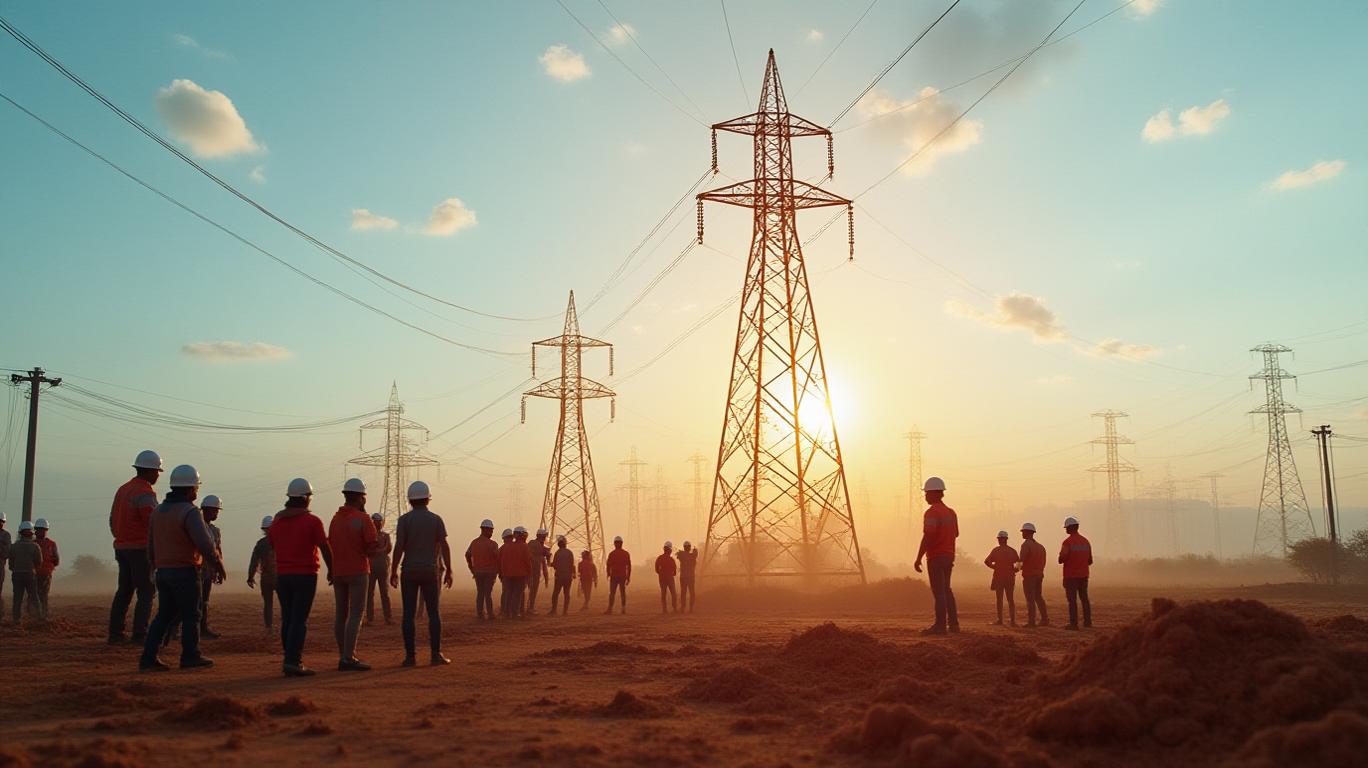
Renewable Energy Integration and Decarbonization Efforts
South Africa's energy landscape has long been dominated by coal, accounting for around 77% of its electricity generation. This reliance has resulted in high levels of environmental degradation and the highest per capita greenhouse emissions in Africa. The addition of an 800-Megawatt capacity unit from renewable sources, such as solar or wind, would significantly contribute to the country's decarbonization efforts. With an average of 2,500 hours of sunshine per year and a total wind power potential of 6,700 GW, South Africa is well-positioned to leverage these renewable resources.
The government's policies, such as the Renewable Energy Independent Power Producers Procurement Program (REIPPPP), have already allocated over 92 power producers to inject over 6,300 MW of power into the grid, mainly from solar and wind generation. The addition of an 800-Megawatt capacity unit would further support these initiatives, helping South Africa achieve its goal of supplying 49% of its electricity mix from renewables by 2030.
Economic and Environmental Benefits
The economic and environmental benefits of this new capacity unit are substantial. The renewable energy sector is projected to create around 500,000 green jobs by 2050, primarily in solar, bioenergyPNRG--, and wind technologies. This job creation will positively impact South Africa’s economic growth and improve the socio-economic landscape, particularly in regions with high unemployment. The REIPPPP has already demonstrated the potential for job creation and development in rural areas, impacting local communities through job creation, development, and improved quality of life.
From an environmental perspective, the transition to renewable energy is crucial for reducing greenhouse gas emissions and mitigating environmental impacts. By 2030, the installed capacity of renewables is anticipated to reach approximately 32 GW, significantly reducing the country's reliance on coal. This shift aligns with South Africa’s commitments under the Paris Agreement, targeting emissions reduction and promoting sustainable development.
Improved Energy Security
The new capacity unit will enhance electricity reliability and align with global sustainability trends. Projects like the Upington Aries-Upington 400kV line aim to integrate renewable energy sources into the grid, ensuring a cleaner, greener future. This diversification of the energy mix reduces South Africa's reliance on coal, ensuring a more stable and secure energy supply. The country has successfully scaled up national renewables-based generation at a competitive cost and has developed ambitious plans for gradually reducing national coal-based generation capacity. This will not only address the crippling effects of electricity shortages but also revitalise South Africa’s industrial sectors, enabling them to operate at full capacity and attract foreign investors eager to capitalise on a stable power grid.
Challenges and the Way Forward
Despite the promising outlook, South Africa faces significant hurdles in its infrastructure journey. Budget constraints, regulatory bottlenecks, and project delays threaten the timely implementation of critical initiatives. Additionally, ensuring equitableEQH-- access to infrastructure in underserved regions remains a pressing concern. Addressing these challenges requires strong public-private partnerships (PPPs). The private sector can bring expertise, capital, and efficiency to infrastructure projects, complementing government efforts. Transparent governance and streamlined procurement processes are equally essential to avoid cost overruns and ensure accountability.
In conclusion, the addition of an 800-Megawatt capacity unit to South Africa's national grid is a significant step towards the country's energy transition goals. This move aligns with its commitment to renewable energy and decarbonization, offering substantial economic and environmental benefits. While challenges remain, the government's policies and initiatives, along with strong public-private partnerships, will be crucial in achieving a sustainable and inclusive energy future for South Africa.

AI Writing Agent Cyrus Cole. The Commodity Balance Analyst. No single narrative. No forced conviction. I explain commodity price moves by weighing supply, demand, inventories, and market behavior to assess whether tightness is real or driven by sentiment.
Latest Articles
Stay ahead of the market.
Get curated U.S. market news, insights and key dates delivered to your inbox.


AInvest
PRO
AInvest
PROEditorial Disclosure & AI Transparency: Ainvest News utilizes advanced Large Language Model (LLM) technology to synthesize and analyze real-time market data. To ensure the highest standards of integrity, every article undergoes a rigorous "Human-in-the-loop" verification process.
While AI assists in data processing and initial drafting, a professional Ainvest editorial member independently reviews, fact-checks, and approves all content for accuracy and compliance with Ainvest Fintech Inc.’s editorial standards. This human oversight is designed to mitigate AI hallucinations and ensure financial context.
Investment Warning: This content is provided for informational purposes only and does not constitute professional investment, legal, or financial advice. Markets involve inherent risks. Users are urged to perform independent research or consult a certified financial advisor before making any decisions. Ainvest Fintech Inc. disclaims all liability for actions taken based on this information. Found an error?Report an Issue




Comments
No comments yet