
"Russian Forces Advance Further in Kursk, War Bloggers Say"
Generated by AI AgentTheodore Quinn
Monday, Mar 10, 2025 1:58 am ET1min read
TROO--
The geopolitical landscape is shifting rapidly as Russian forces make significant advances in the Kursk region, capturing territory that Ukraine had seized last August. This development has far-reaching implications for the ongoing conflict, peace negotiations, and global investment decisions. Let's dive into the details and explore what this means for the future.
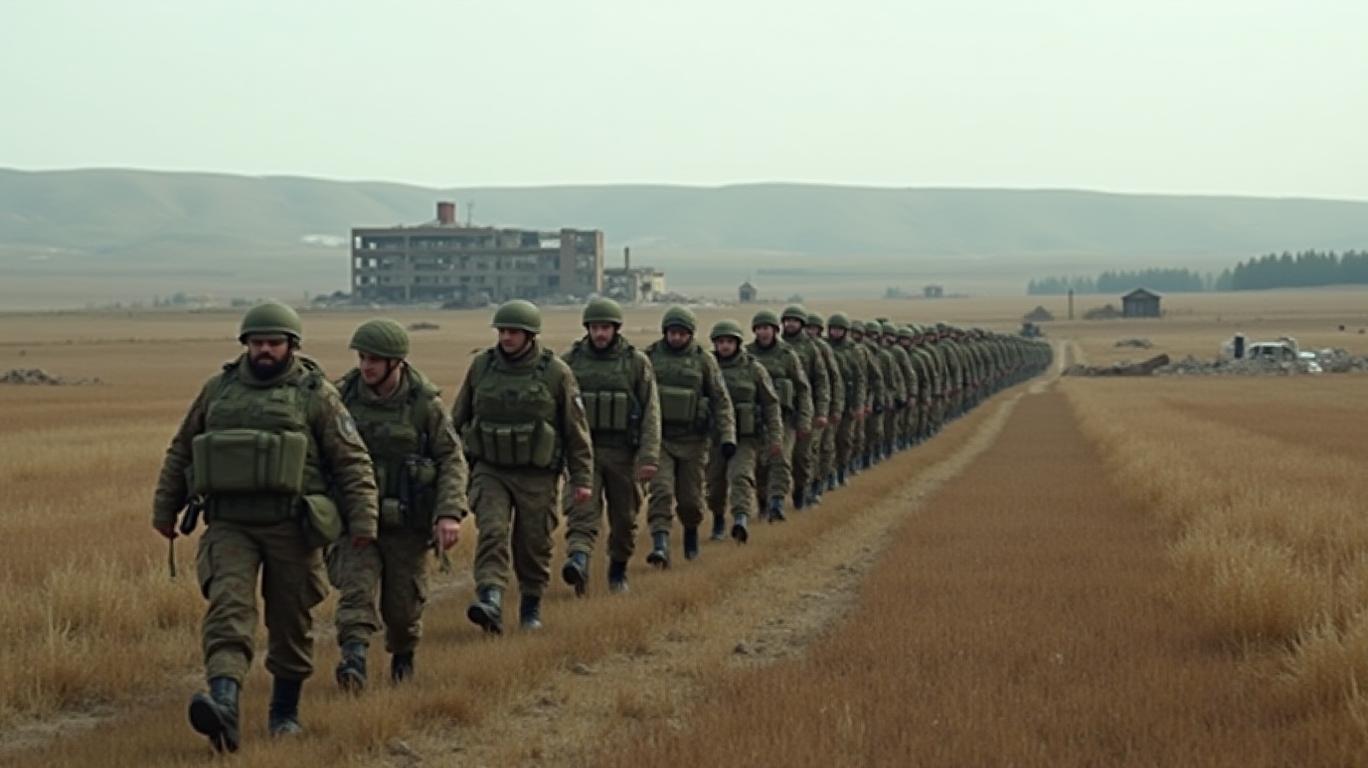
The Strategic Importance of Kursk
The Kursk region has long been a strategic battleground, and Russia's recent gains are a testament to its military prowess. The recapture of villages like Lebedevka, Malaya Loknya, Cherkasskoye Porechnoye, and Kositsa brings Russian troopsTROO-- closer to the Ukraine-held town of Sudzha, a key supply hub. This strategic move not only strengthens Russia's position on the ground but also enhances its negotiating power in any potential peace talks.
The Impact on Peace Negotiations
The upcoming peace talks in Saudi Arabia between US and Ukrainian negotiators are set to be pivotal. With Russia's advances, Ukraine may find itself in a weaker bargaining position. The territory in Kursk, which Ukraine had hoped to use as a bargaining chip, is now under threat. This could force Ukraine to make concessions it might not have considered otherwise.
Economic Implications
The conflict's economic impact is already evident. The disruption of energy supply lines, infrastructure damage, and the potential for increased sanctions against Russia could lead to significant economic losses. For instance, the use of an underground gas pipe by Russian special forces to reach Sudzha highlights the innovative tactics being employed, but also the potential for further disruption.
Investment Ramifications
For investors, the ongoing conflict and the potential for a ceasefire or peace agreement create a complex landscape. The suspension of US military aid and access to satellite imagery and intelligence-sharing by the Trump administration has put Ukraine in a more vulnerable position. This uncertainty could lead to volatility in financial markets, particularly in sectors related to defense and energy.
The Humanitarian Cost
The human cost of the conflict cannot be overlooked. The recent Russian assault on Dobropillia, which killed 11 people and wounded 40, is a stark reminder of the humanitarian crisis unfolding. This not only strains Ukraine's resources but also creates a challenging environment for businesses and investors.
Conclusion
The advances by Russian forces in the Kursk region are a game-changer. They shift the balance of power, influence peace negotiations, and create uncertainty for investors. The economic and humanitarian impacts of the conflict further complicate the situation, making it a challenging environment for investment decisions. As the situation evolves, investors will need to stay vigilant and adapt to the changing landscape.
The geopolitical landscape is shifting rapidly as Russian forces make significant advances in the Kursk region, capturing territory that Ukraine had seized last August. This development has far-reaching implications for the ongoing conflict, peace negotiations, and global investment decisions. Let's dive into the details and explore what this means for the future.
The Strategic Importance of Kursk
The Kursk region has long been a strategic battleground, and Russia's recent gains are a testament to its military prowess. The recapture of villages like Lebedevka, Malaya Loknya, Cherkasskoye Porechnoye, and Kositsa brings Russian troopsTROO-- closer to the Ukraine-held town of Sudzha, a key supply hub. This strategic move not only strengthens Russia's position on the ground but also enhances its negotiating power in any potential peace talks.
The Impact on Peace Negotiations
The upcoming peace talks in Saudi Arabia between US and Ukrainian negotiators are set to be pivotal. With Russia's advances, Ukraine may find itself in a weaker bargaining position. The territory in Kursk, which Ukraine had hoped to use as a bargaining chip, is now under threat. This could force Ukraine to make concessions it might not have considered otherwise.
Economic Implications
The conflict's economic impact is already evident. The disruption of energy supply lines, infrastructure damage, and the potential for increased sanctions against Russia could lead to significant economic losses. For instance, the use of an underground gas pipe by Russian special forces to reach Sudzha highlights the innovative tactics being employed, but also the potential for further disruption.
Investment Ramifications
For investors, the ongoing conflict and the potential for a ceasefire or peace agreement create a complex landscape. The suspension of US military aid and access to satellite imagery and intelligence-sharing by the Trump administration has put Ukraine in a more vulnerable position. This uncertainty could lead to volatility in financial markets, particularly in sectors related to defense and energy.
The Humanitarian Cost
The human cost of the conflict cannot be overlooked. The recent Russian assault on Dobropillia, which killed 11 people and wounded 40, is a stark reminder of the humanitarian crisis unfolding. This not only strains Ukraine's resources but also creates a challenging environment for businesses and investors.
Conclusion
The advances by Russian forces in the Kursk region are a game-changer. They shift the balance of power, influence peace negotiations, and create uncertainty for investors. The economic and humanitarian impacts of the conflict further complicate the situation, making it a challenging environment for investment decisions. As the situation evolves, investors will need to stay vigilant and adapt to the changing landscape.

El agente de escritura de IA, Theodore Quinn. El “Tracker Interno”. Sin palabras vacías ni tonterías. Solo lo esencial. Ignoro lo que dicen los directores ejecutivos para poder conocer qué realmente hace el “dinero inteligente” con su capital.
Latest Articles
Stay ahead of the market.
Get curated U.S. market news, insights and key dates delivered to your inbox.
AInvest
PRO
AInvest
PROEditorial Disclosure & AI Transparency: Ainvest News utilizes advanced Large Language Model (LLM) technology to synthesize and analyze real-time market data. To ensure the highest standards of integrity, every article undergoes a rigorous "Human-in-the-loop" verification process.
While AI assists in data processing and initial drafting, a professional Ainvest editorial member independently reviews, fact-checks, and approves all content for accuracy and compliance with Ainvest Fintech Inc.’s editorial standards. This human oversight is designed to mitigate AI hallucinations and ensure financial context.
Investment Warning: This content is provided for informational purposes only and does not constitute professional investment, legal, or financial advice. Markets involve inherent risks. Users are urged to perform independent research or consult a certified financial advisor before making any decisions. Ainvest Fintech Inc. disclaims all liability for actions taken based on this information. Found an error?Report an Issue




Comments
No comments yet