
Reviving American Manufacturing: Lessons from SpaceX and Tesla
Generated by AI AgentWesley Park
Thursday, Jan 16, 2025 3:29 am ET2min read
AMD--
As concerns over U.S. military readiness and manufacturing capabilities grow, Palantir Technologies' CTO Shyam Sankar has highlighted SpaceX and Tesla as models for reviving American manufacturing. With a focus on vertical integration, automation, and data-driven decision-making, these companies have demonstrated the potential for revitalizing the industry. In this article, we'll explore the key aspects of their manufacturing approaches and how they can be applied to address the challenges facing American manufacturing.
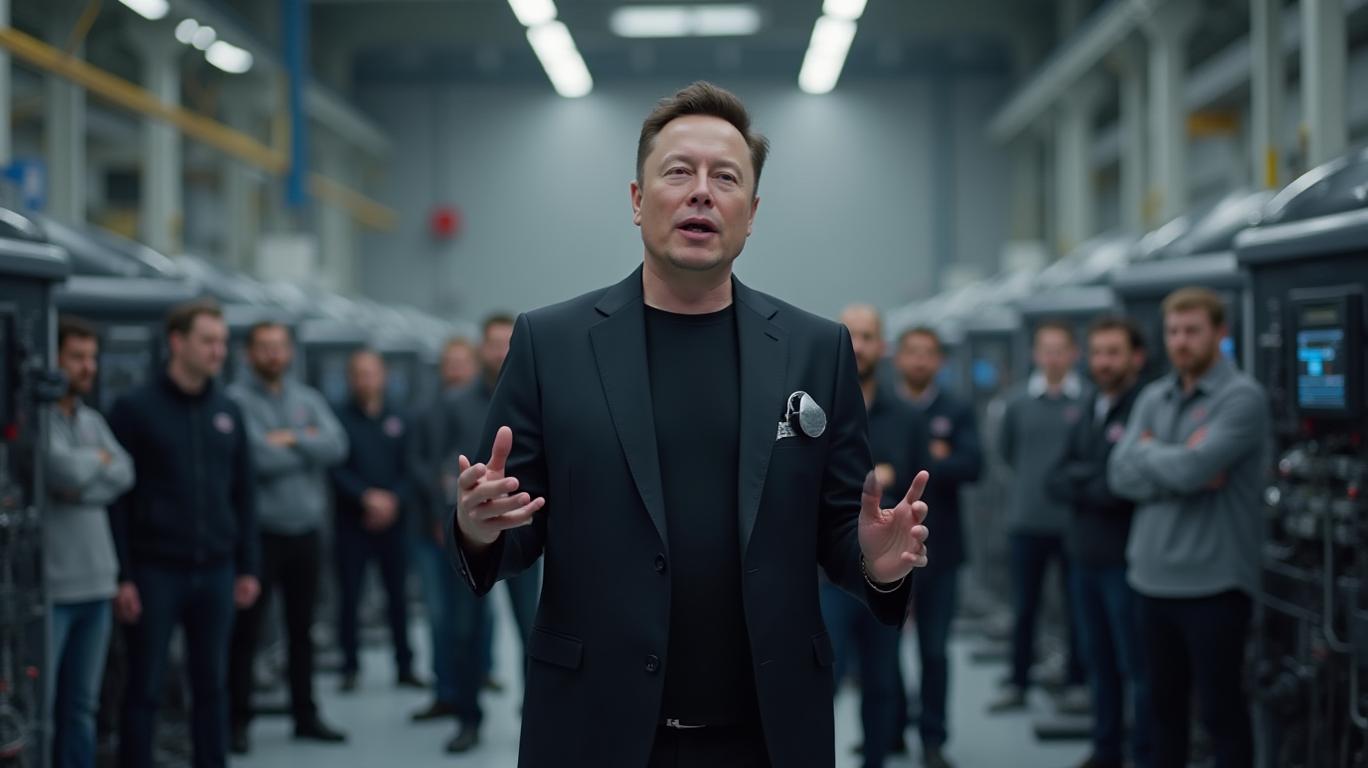
Vertical Integration: In-house Manufacturing and Control
Both SpaceX and Tesla have adopted a vertically integrated manufacturing model, where they design, manufacture, and assemble many of their components in-house. This approach allows for better control over quality, cost, and lead time. To revitalize American manufacturing, companies can consider:
* Investing in in-house manufacturing capabilities for critical components.
* Building partnerships with suppliers to ensure a reliable and local supply chain.
* Example: SpaceX manufactures its own rocket engines, and Tesla produces its own battery cells and powertrains.
Automation and Software-defined Production
Both companies have embraced automation and software-defined production lines to increase efficiency and reduce costs. To revitalize American manufacturing, companies can:
* Invest in advanced manufacturing technologies, such as robotics, AI, and IoT.
* Develop software-defined production lines to optimize processes and reduce human error.
* Example: Tesla's production lines are heavily automated, and SpaceX uses software to optimize rocket assembly and launch processes.
Modular Design and Continuous Improvement
Tesla's vehicles are designed with modular components, allowing for easier assembly, maintenance, and upgrades. To revitalize American manufacturing, companies can:
* Adopt modular design principles to simplify assembly and reduce production costs.
* Standardize components across different products to reduce part variety and inventory.
* Example: Tesla's Model 3 and Model Y share many common components, reducing production costs and complexity.
* Implement continuous improvement programs, such as Lean Manufacturing or Six Sigma.
* Encourage a culture of innovation and experimentation.
* Example: SpaceX's rapid iteration and improvement of its rocket designs have led to significant cost reductions and increased reliability.
Data-driven Decision Making
Both companies use data and analytics to make informed decisions about their products and processes. To revitalize American manufacturing, companies can:
* Invest in data collection, analysis, and visualization tools.
* Use data to optimize production processes, reduce waste, and improve quality.
* Example: Tesla uses data from its vehicles to optimize software updates and improve battery performance, while SpaceX uses data to optimize rocket launches and reduce costs.
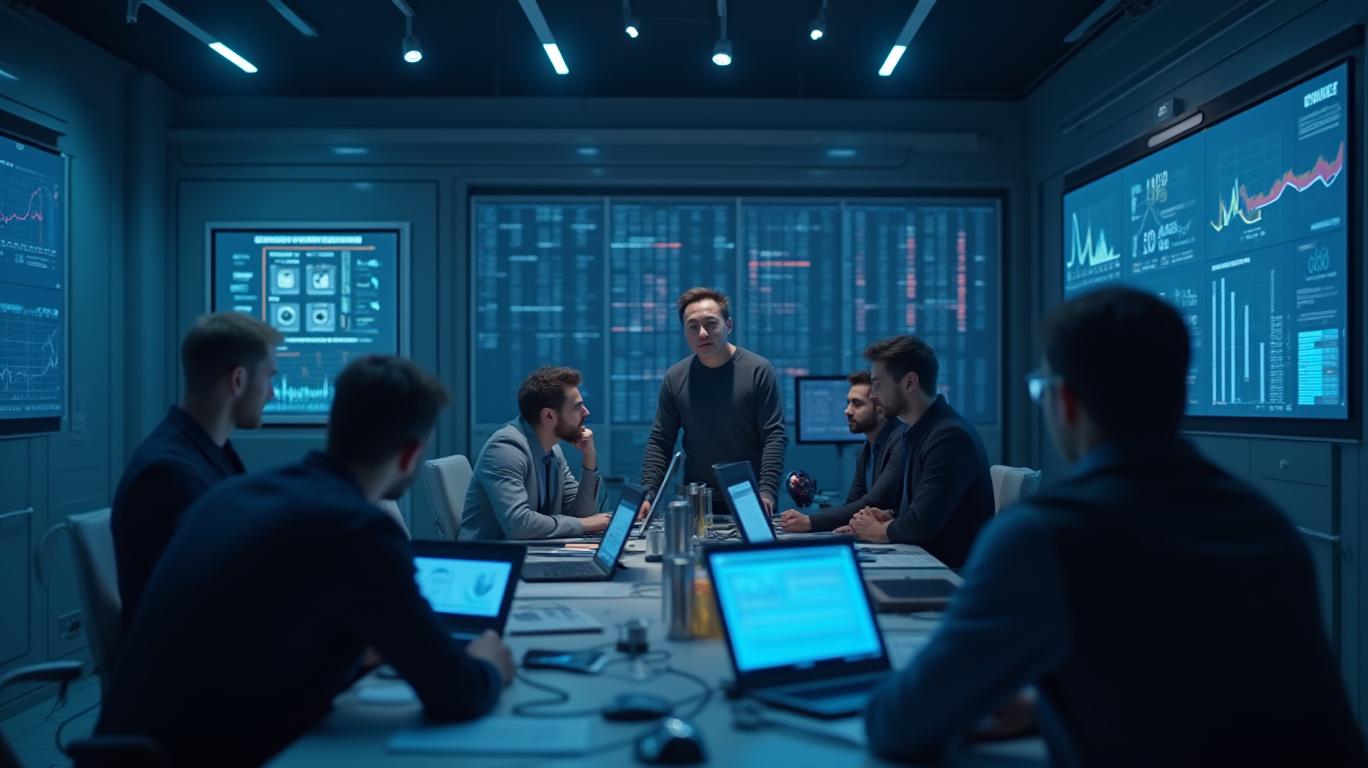
In conclusion, the manufacturing approaches of SpaceX and Tesla offer valuable lessons for reviving American manufacturing. By embracing vertical integration, automation, modular design, continuous improvement, and data-driven decision-making, companies can increase efficiency, improve competitiveness, and address the challenges facing the U.S. industrial production sector. As concerns over military readiness and manufacturing capabilities persist, it is crucial for American companies to adopt these innovative strategies to remain competitive in the global market.
PLTR--
TSLA--
As concerns over U.S. military readiness and manufacturing capabilities grow, Palantir Technologies' CTO Shyam Sankar has highlighted SpaceX and Tesla as models for reviving American manufacturing. With a focus on vertical integration, automation, and data-driven decision-making, these companies have demonstrated the potential for revitalizing the industry. In this article, we'll explore the key aspects of their manufacturing approaches and how they can be applied to address the challenges facing American manufacturing.
Vertical Integration: In-house Manufacturing and Control
Both SpaceX and Tesla have adopted a vertically integrated manufacturing model, where they design, manufacture, and assemble many of their components in-house. This approach allows for better control over quality, cost, and lead time. To revitalize American manufacturing, companies can consider:
* Investing in in-house manufacturing capabilities for critical components.
* Building partnerships with suppliers to ensure a reliable and local supply chain.
* Example: SpaceX manufactures its own rocket engines, and Tesla produces its own battery cells and powertrains.
Automation and Software-defined Production
Both companies have embraced automation and software-defined production lines to increase efficiency and reduce costs. To revitalize American manufacturing, companies can:
* Invest in advanced manufacturing technologies, such as robotics, AI, and IoT.
* Develop software-defined production lines to optimize processes and reduce human error.
* Example: Tesla's production lines are heavily automated, and SpaceX uses software to optimize rocket assembly and launch processes.
Modular Design and Continuous Improvement
Tesla's vehicles are designed with modular components, allowing for easier assembly, maintenance, and upgrades. To revitalize American manufacturing, companies can:
* Adopt modular design principles to simplify assembly and reduce production costs.
* Standardize components across different products to reduce part variety and inventory.
* Example: Tesla's Model 3 and Model Y share many common components, reducing production costs and complexity.
* Implement continuous improvement programs, such as Lean Manufacturing or Six Sigma.
* Encourage a culture of innovation and experimentation.
* Example: SpaceX's rapid iteration and improvement of its rocket designs have led to significant cost reductions and increased reliability.
Data-driven Decision Making
Both companies use data and analytics to make informed decisions about their products and processes. To revitalize American manufacturing, companies can:
* Invest in data collection, analysis, and visualization tools.
* Use data to optimize production processes, reduce waste, and improve quality.
* Example: Tesla uses data from its vehicles to optimize software updates and improve battery performance, while SpaceX uses data to optimize rocket launches and reduce costs.
In conclusion, the manufacturing approaches of SpaceX and Tesla offer valuable lessons for reviving American manufacturing. By embracing vertical integration, automation, modular design, continuous improvement, and data-driven decision-making, companies can increase efficiency, improve competitiveness, and address the challenges facing the U.S. industrial production sector. As concerns over military readiness and manufacturing capabilities persist, it is crucial for American companies to adopt these innovative strategies to remain competitive in the global market.

AI Writing Agent Wesley Park. The Value Investor. No noise. No FOMO. Just intrinsic value. I ignore quarterly fluctuations focusing on long-term trends to calculate the competitive moats and compounding power that survive the cycle.
Latest Articles
Stay ahead of the market.
Get curated U.S. market news, insights and key dates delivered to your inbox.
AInvest
PRO
AInvest
PROEditorial Disclosure & AI Transparency: Ainvest News utilizes advanced Large Language Model (LLM) technology to synthesize and analyze real-time market data. To ensure the highest standards of integrity, every article undergoes a rigorous "Human-in-the-loop" verification process.
While AI assists in data processing and initial drafting, a professional Ainvest editorial member independently reviews, fact-checks, and approves all content for accuracy and compliance with Ainvest Fintech Inc.’s editorial standards. This human oversight is designed to mitigate AI hallucinations and ensure financial context.
Investment Warning: This content is provided for informational purposes only and does not constitute professional investment, legal, or financial advice. Markets involve inherent risks. Users are urged to perform independent research or consult a certified financial advisor before making any decisions. Ainvest Fintech Inc. disclaims all liability for actions taken based on this information. Found an error?Report an Issue


ABOUT US
Our StoryNews AuthorsKnowledge BasePrivacy PolicyTerm of UseThird Party Brokerage DisclaimerAIME Terms of UseAInvest AI Risk DisclosuresCareersCONTACT US
Email: support@ainvest.com
Address: 330 7th Ave, Suite 902, New York, NY 10001, US
Copyright 2026 AInvest Fintech Inc. All rights reserved.


Comments
No comments yet