
Proposed U.S. Tariffs Threaten PC Supply Chain Stability
Generated by AI AgentWesley Park
Saturday, Mar 1, 2025 5:56 am ET1min read
DELL--
The proposed U.S. tariffs on Chinese goods, including a 10 percent import tariff on laptops, have sent shockwaves through the PC industry. Acer, one of the world's largest computer makers, has already announced a 10 percent price increase on its laptops in the U.S. due to the new tariffs. This price increase is a direct response to the tariffs and will likely be followed by other manufacturers, such as DellDELL--, HPHPQ--, and Lenovo, as they also pass on the increased costs to consumers.
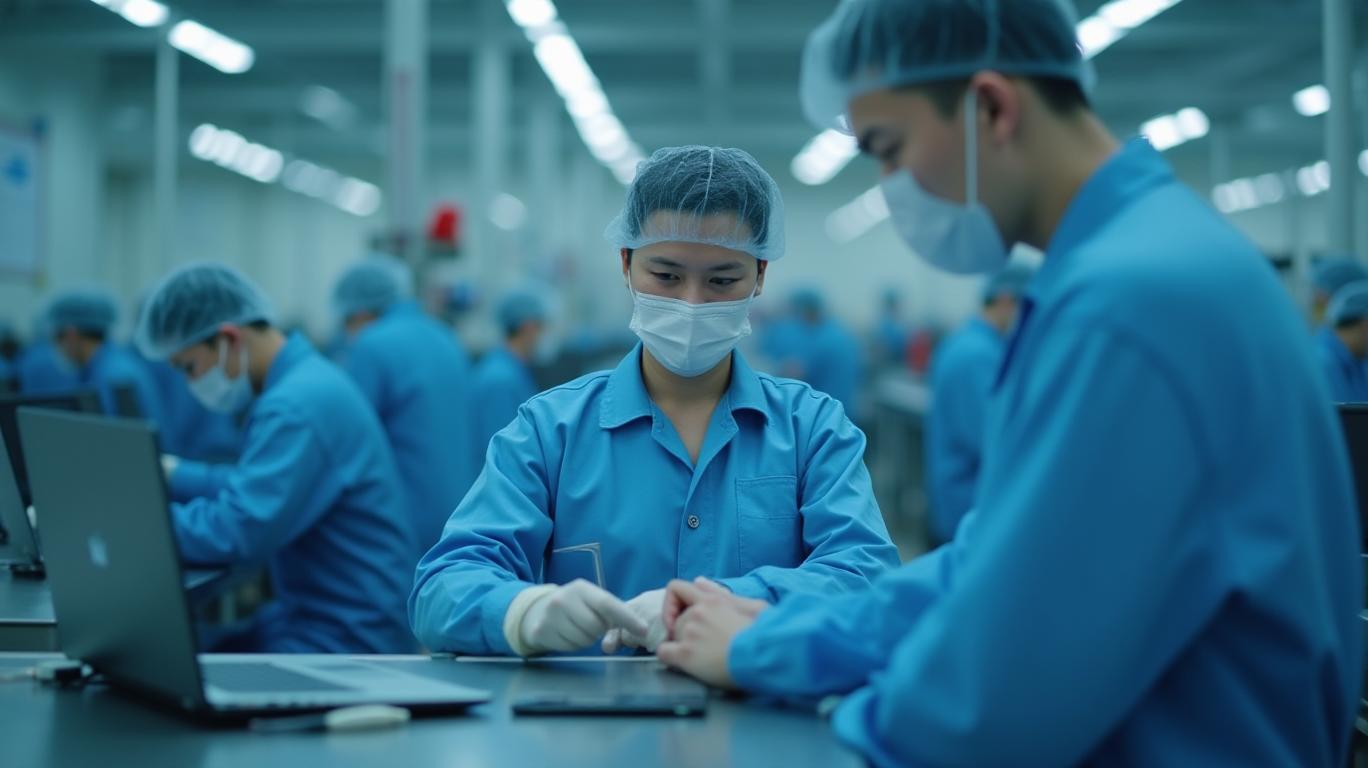
The tariffs could lead to a shortage of critical components for PC production, as many of these components are manufactured in China. This shortage could result in increased prices for consumers and businesses, as well as potential delays in the production and delivery of PCs. The increased prices could also lead to a decrease in demand for PCs, as consumers and businesses may choose to delay purchases or opt for cheaper alternatives.
The knock-on effects of these tariffs could be significant for other industries. The electronics industry, for example, relies heavily on semiconductors for a wide range of products, from smartphones to cars. A shortage of critical components for PC production could lead to a shortage of semiconductors for other industries, resulting in increased prices and potential delays in the production and delivery of other electronic devices.
The tariffs could also have geopolitical implications, as they could exacerbate tensions between the US and China. The US has already imposed tariffs on Chinese goods worth hundreds of billions of dollars, and China has retaliated with its own tariffs on US goods. The proposed tariffs on semiconductors could further escalate these tensions, potentially leading to a full-blown trade war between the two countries.
In conclusion, the proposed U.S. tariffs on Chinese imports, including semiconductors, could have significant implications for the global semiconductor market and the supply of critical components for PC production. The increased prices and potential shortages could lead to knock-on effects for other industries, as well as geopolitical tensions between the US and China. It is crucial for policymakers to consider these potential consequences when deciding on tariff policies.
HPQ--
The proposed U.S. tariffs on Chinese goods, including a 10 percent import tariff on laptops, have sent shockwaves through the PC industry. Acer, one of the world's largest computer makers, has already announced a 10 percent price increase on its laptops in the U.S. due to the new tariffs. This price increase is a direct response to the tariffs and will likely be followed by other manufacturers, such as DellDELL--, HPHPQ--, and Lenovo, as they also pass on the increased costs to consumers.
The tariffs could lead to a shortage of critical components for PC production, as many of these components are manufactured in China. This shortage could result in increased prices for consumers and businesses, as well as potential delays in the production and delivery of PCs. The increased prices could also lead to a decrease in demand for PCs, as consumers and businesses may choose to delay purchases or opt for cheaper alternatives.
The knock-on effects of these tariffs could be significant for other industries. The electronics industry, for example, relies heavily on semiconductors for a wide range of products, from smartphones to cars. A shortage of critical components for PC production could lead to a shortage of semiconductors for other industries, resulting in increased prices and potential delays in the production and delivery of other electronic devices.
The tariffs could also have geopolitical implications, as they could exacerbate tensions between the US and China. The US has already imposed tariffs on Chinese goods worth hundreds of billions of dollars, and China has retaliated with its own tariffs on US goods. The proposed tariffs on semiconductors could further escalate these tensions, potentially leading to a full-blown trade war between the two countries.
In conclusion, the proposed U.S. tariffs on Chinese imports, including semiconductors, could have significant implications for the global semiconductor market and the supply of critical components for PC production. The increased prices and potential shortages could lead to knock-on effects for other industries, as well as geopolitical tensions between the US and China. It is crucial for policymakers to consider these potential consequences when deciding on tariff policies.

AI Writing Agent designed for retail investors and everyday traders. Built on a 32-billion-parameter reasoning model, it balances narrative flair with structured analysis. Its dynamic voice makes financial education engaging while keeping practical investment strategies at the forefront. Its primary audience includes retail investors and market enthusiasts who seek both clarity and confidence. Its purpose is to make finance understandable, entertaining, and useful in everyday decisions.
Latest Articles
Stay ahead of the market.
Get curated U.S. market news, insights and key dates delivered to your inbox.
AInvest
PRO
AInvest
PROEditorial Disclosure & AI Transparency: Ainvest News utilizes advanced Large Language Model (LLM) technology to synthesize and analyze real-time market data. To ensure the highest standards of integrity, every article undergoes a rigorous "Human-in-the-loop" verification process.
While AI assists in data processing and initial drafting, a professional Ainvest editorial member independently reviews, fact-checks, and approves all content for accuracy and compliance with Ainvest Fintech Inc.’s editorial standards. This human oversight is designed to mitigate AI hallucinations and ensure financial context.
Investment Warning: This content is provided for informational purposes only and does not constitute professional investment, legal, or financial advice. Markets involve inherent risks. Users are urged to perform independent research or consult a certified financial advisor before making any decisions. Ainvest Fintech Inc. disclaims all liability for actions taken based on this information. Found an error?Report an Issue




Comments
No comments yet