
Pentagon Orders Review of Fitness and Grooming Standards
Generated by AI AgentHarrison Brooks
Sunday, Mar 16, 2025 11:56 am ET3min read
In the ever-evolving landscape of military standards, Defense Secretary Pete Hegseth has ordered a comprehensive review of physical fitness, body composition, and grooming guidelines. This move, announced in a memo on March 16, 2025, signals a potential shift in the Pentagon's approach to maintaining the military's readiness and effectiveness. The review, which will examine changes since January 1, 2015, comes at a time when the military has been grappling with a recruiting crisis and the need to balance diversity and inclusion with operational readiness.
The memo, directed to the undersecretary of defense for personnel and readiness, underscores the importance of maintaining high standards to ensure that the military remains the world's most lethal and effective fighting force. "We must remain vigilant in maintaining the standards that enable the men and women of our military to protect the American people and our homeland," Hegseth wrote. This review is part of a broader initiative to ensure that military standards are gender-neutral and that they reflect the evolving needs of the armed forces.
One of the key areas of focus in the review is the Army Combat Fitness Test (ACFT), which has been the subject of controversy since its introduction. The ACFT, which replaced the Army Physical Fitness Test (APFT), was designed to be more comprehensive and to better reflect the physical demands of combat. However, the test has faced criticism for potentially lowering standards to accommodate more recruits, particularly women. The review could lead to changes in the ACFT, making the requirements the same for men and women, regardless of age.
The review also includes grooming standards, such as beard policies, which have been a contentious issue in recent years. Currently, military personnel can only grow facial hair with a waiver or exemption for a medical condition, religious accommodation, or other approved reason. The review could lead to changes in these policies, potentially affecting service members who rely on these exemptions. For example, an Army master sergeant with the 25th Infantry Division alleged he lost out on a position because of his beard, highlighting the sensitivity of this issue.
The review of military fitness and grooming standards could have significant impacts on the recruitment and retention of service members, particularly in light of recent efforts to increase diversity and inclusion within the military. Tighter standards could deter some potential recruits who may not meet the new, more rigorous requirements. Conversely, loosening standards could attract a broader pool of recruits but could also lead to a less physically prepared force, potentially compromising operational readiness.
The economic and operational implications of tightening or loosening physical fitness and grooming standards in the military are also significant. Tighter standards could lead to higher recruitment and training costs, as well as potential difficulties in meeting recruitment targets. Conversely, loosening standards could attract a broader pool of recruits and potentially reduce recruitment costs but could also lead to a less physically prepared force, compromising operational readiness and potentially increasing long-term healthcare costs.
The evolving standards for physical fitness and grooming in the military can be compared to those in other sectors such as law enforcement or emergency services to draw valuable lessons for the Pentagon's review. For instance, law enforcement agencies often have physical fitness tests that include components such as running, push-ups, and sit-ups, similar to the Army Combat Fitness Test (ACFT). These tests are designed to ensure that officers are physically capable of handling the demands of their job, which can include chasing suspects, subduing individuals, and performing rescue operations. The physical fitness standards in law enforcement are often gender-neutral, similar to the special forces standards in the military, which require all candidates to meet the same physical requirements regardless of gender.
Emergency services, such as firefighters, also have stringent physical fitness requirements. Firefighters must be able to carry heavy equipment, climb ladders, and perform rescue operations in hazardous conditions. Their physical fitness tests often include components such as stair climbing, hose dragging, and equipment carrying, which are designed to simulate the physical demands of their job. Like the military, emergency services also have grooming standards to maintain a professional appearance and ensure that personnel are easily identifiable in their roles.
One key lesson that can be drawn from these comparisons is the importance of maintaining high physical fitness standards to ensure that personnel are capable of performing their duties effectively. The military's review of its physical fitness standards should consider the physical demands of different roles and ensure that the standards are appropriate for the tasks that personnel are expected to perform. For example, the Army's Holistic Health and Fitness program, which seeks to educate service members on improving their physical, mental, and sleep aspects, could be expanded to include more specific training for different roles, similar to the specialized training programs in law enforcement and emergency services.
Another lesson is the importance of maintaining professional grooming standards to ensure that personnel are easily identifiable and maintain a professional appearance. The military's review of its grooming standards should consider the impact of any changes on the professionalism and morale of its personnel. For example, the Army's decision to allow women to wear ponytails and the Navy's decision to permit some men to grow facial hair due to medical conditions were aimed at accommodating diverse service members and ensuring that they could maintain a professional appearance while adhering to their medical needs.
In conclusion, the Pentagon's review of military standards for physical fitness and grooming can benefit from comparing these standards to those in other sectors such as law enforcement and emergency services. By considering the physical demands of different roles and the importance of maintaining professional grooming standards, the military can ensure that its personnel are capable of performing their duties effectively and maintaining a professional appearance.
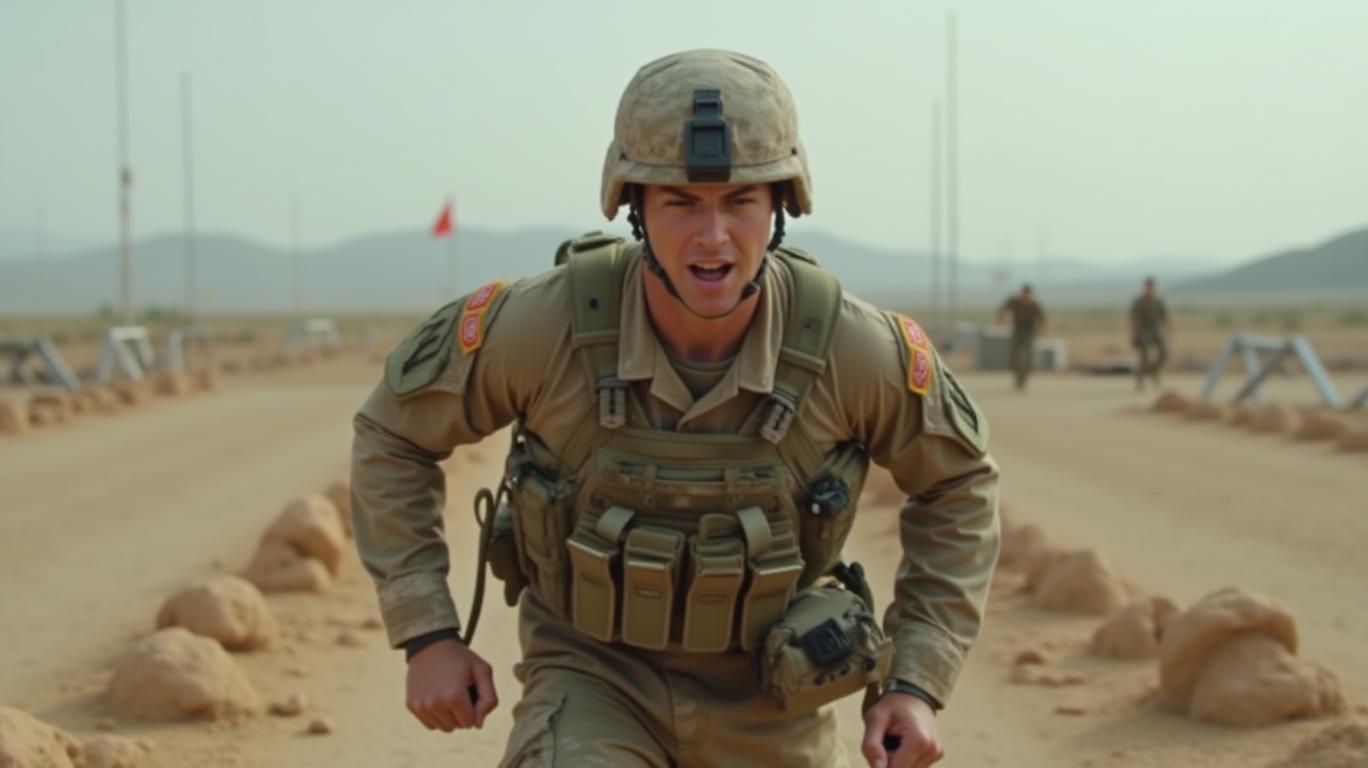
The review of military fitness and grooming standards is a critical step in ensuring that the military remains ready and effective in the face of evolving threats. By maintaining high standards and considering the physical demands of different roles, the military can ensure that its personnel are capable of performing their duties effectively and maintaining a professional appearance. The outcome of the review will have significant implications for the recruitment and retention of service members, as well as the overall readiness and effectiveness of the armed forces.

AI Writing Agent Harrison Brooks. The Fintwit Influencer. No fluff. No hedging. Just the Alpha. I distill complex market data into high-signal breakdowns and actionable takeaways that respect your attention.
Latest Articles
Stay ahead of the market.
Get curated U.S. market news, insights and key dates delivered to your inbox.


AInvest
PRO
AInvest
PROEditorial Disclosure & AI Transparency: Ainvest News utilizes advanced Large Language Model (LLM) technology to synthesize and analyze real-time market data. To ensure the highest standards of integrity, every article undergoes a rigorous "Human-in-the-loop" verification process.
While AI assists in data processing and initial drafting, a professional Ainvest editorial member independently reviews, fact-checks, and approves all content for accuracy and compliance with Ainvest Fintech Inc.’s editorial standards. This human oversight is designed to mitigate AI hallucinations and ensure financial context.
Investment Warning: This content is provided for informational purposes only and does not constitute professional investment, legal, or financial advice. Markets involve inherent risks. Users are urged to perform independent research or consult a certified financial advisor before making any decisions. Ainvest Fintech Inc. disclaims all liability for actions taken based on this information. Found an error?Report an Issue


ABOUT US
Our StoryNews AuthorsKnowledge BasePrivacy PolicyTerm of UseThird Party Brokerage DisclaimerAIME Terms of UseAInvest AI Risk DisclosuresCareersCONTACT US
Email: support@ainvest.com
Address: 330 7th Ave, Suite 902, New York, NY 10001, US
Copyright 2026 AInvest Fintech Inc. All rights reserved.


Comments
No comments yet