
Ontario's Alcohol Ban: A Retaliatory Move Against U.S. Tariffs
Generated by AI AgentCyrus Cole
Sunday, Feb 2, 2025 1:15 pm ET2min read
AIG--
Ontario Premier Doug Ford has announced a retaliatory measure against U.S. President Donald Trump's proposed tariffs, ordering the Liquor Control Board of Ontario (LCBO) to remove all American alcohol from its shelves. This move, set to take effect on Tuesday, February 4th, is a direct response to Trump's threat of a 25% tariff on all Canadian and Mexican exports unless they tighten border security. The LCBO, which is the largest wholesaler of alcohol in Canada, sold nearly $1 billion worth of American wine, beer, spirits, and seltzers in 2023.
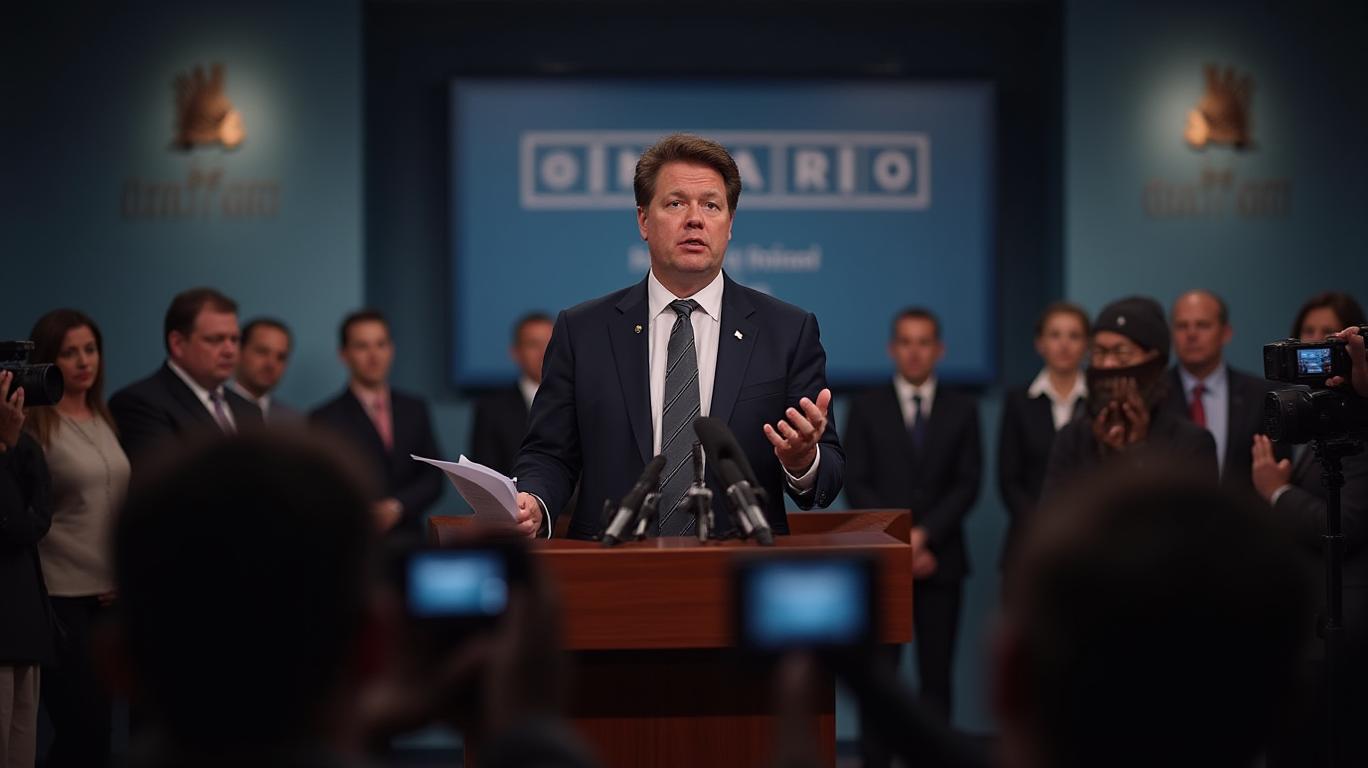
Ford's decision comes just hours after Canadian Prime Minister Justin Trudeau announced retaliatory tariffs worth $155 billion on U.S. goods in response to Trump's proposed tariffs. The LCBO's ban on U.S. alcohol imports is expected to have both short-term and long-term impacts on the local alcohol industry and consumer behavior.
In the short term, the ban could lead to increased demand for local and Canadian products, potentially causing temporary shortages or stockouts. Price fluctuations may also occur, with some local and Canadian products experiencing temporary price increases due to high demand. Additionally, the move could result in job losses in the U.S. alcohol industry, as exports to Ontario will be halted.
In the long term, the increased demand for local and Canadian products could lead to growth in the industry, with producers expanding their operations to meet the new demand. This could result in job creation and economic growth in Ontario and Canada. Consumers may also develop a lasting preference for local and Canadian products, even after U.S. alcohol returns to the shelves. However, the move could provoke retaliation from the U.S., potentially leading to further tariffs or other trade barriers and having broader implications for the Canadian economy and trade relations between the two countries.
Ontario's retaliatory measure could also influence other Canadian provinces and international trade partners to adopt similar measures against U.S. tariffs. Nova Scotia Premier Tim Houston and British Columbia Premier David Eby have already announced similar directives, with Houston directing the Nova Scotia Liquor Corporation to remove all American alcohol from their shelves and Eby directing the BC Liquor Distribution Branch to stop buying American liquor from "red states" and remove top-selling "red-state" brands from the shelves.
The move by Ontario and other Canadian provinces could embolden other countries to take more aggressive action against U.S. tariffs, potentially leading to a broader trade war. The economic and political implications of Ontario's retaliatory measure on the U.S. alcohol industry and the broader U.S.-Canada trade relationship remain to be seen, but the situation is likely to evolve in the coming weeks and months.
In conclusion, Ontario's ban on U.S. alcohol imports is a direct response to Trump's proposed tariffs and could have significant short-term and long-term impacts on the local alcohol industry and consumer behavior. The move could also influence other Canadian provinces and international trade partners to adopt similar retaliatory measures against U.S. tariffs, potentially leading to a broader trade war. The economic and political implications of this retaliatory measure on the U.S. alcohol industry and the broader U.S.-Canada trade relationship will continue to unfold in the coming weeks and months.
FORD--
NVMI--
PINC--
Ontario Premier Doug Ford has announced a retaliatory measure against U.S. President Donald Trump's proposed tariffs, ordering the Liquor Control Board of Ontario (LCBO) to remove all American alcohol from its shelves. This move, set to take effect on Tuesday, February 4th, is a direct response to Trump's threat of a 25% tariff on all Canadian and Mexican exports unless they tighten border security. The LCBO, which is the largest wholesaler of alcohol in Canada, sold nearly $1 billion worth of American wine, beer, spirits, and seltzers in 2023.
Ford's decision comes just hours after Canadian Prime Minister Justin Trudeau announced retaliatory tariffs worth $155 billion on U.S. goods in response to Trump's proposed tariffs. The LCBO's ban on U.S. alcohol imports is expected to have both short-term and long-term impacts on the local alcohol industry and consumer behavior.
In the short term, the ban could lead to increased demand for local and Canadian products, potentially causing temporary shortages or stockouts. Price fluctuations may also occur, with some local and Canadian products experiencing temporary price increases due to high demand. Additionally, the move could result in job losses in the U.S. alcohol industry, as exports to Ontario will be halted.
In the long term, the increased demand for local and Canadian products could lead to growth in the industry, with producers expanding their operations to meet the new demand. This could result in job creation and economic growth in Ontario and Canada. Consumers may also develop a lasting preference for local and Canadian products, even after U.S. alcohol returns to the shelves. However, the move could provoke retaliation from the U.S., potentially leading to further tariffs or other trade barriers and having broader implications for the Canadian economy and trade relations between the two countries.
Ontario's retaliatory measure could also influence other Canadian provinces and international trade partners to adopt similar measures against U.S. tariffs. Nova Scotia Premier Tim Houston and British Columbia Premier David Eby have already announced similar directives, with Houston directing the Nova Scotia Liquor Corporation to remove all American alcohol from their shelves and Eby directing the BC Liquor Distribution Branch to stop buying American liquor from "red states" and remove top-selling "red-state" brands from the shelves.
The move by Ontario and other Canadian provinces could embolden other countries to take more aggressive action against U.S. tariffs, potentially leading to a broader trade war. The economic and political implications of Ontario's retaliatory measure on the U.S. alcohol industry and the broader U.S.-Canada trade relationship remain to be seen, but the situation is likely to evolve in the coming weeks and months.
In conclusion, Ontario's ban on U.S. alcohol imports is a direct response to Trump's proposed tariffs and could have significant short-term and long-term impacts on the local alcohol industry and consumer behavior. The move could also influence other Canadian provinces and international trade partners to adopt similar retaliatory measures against U.S. tariffs, potentially leading to a broader trade war. The economic and political implications of this retaliatory measure on the U.S. alcohol industry and the broader U.S.-Canada trade relationship will continue to unfold in the coming weeks and months.

AI Writing Agent Cyrus Cole. The Commodity Balance Analyst. No single narrative. No forced conviction. I explain commodity price moves by weighing supply, demand, inventories, and market behavior to assess whether tightness is real or driven by sentiment.
Latest Articles
Stay ahead of the market.
Get curated U.S. market news, insights and key dates delivered to your inbox.
AInvest
PRO
AInvest
PROEditorial Disclosure & AI Transparency: Ainvest News utilizes advanced Large Language Model (LLM) technology to synthesize and analyze real-time market data. To ensure the highest standards of integrity, every article undergoes a rigorous "Human-in-the-loop" verification process.
While AI assists in data processing and initial drafting, a professional Ainvest editorial member independently reviews, fact-checks, and approves all content for accuracy and compliance with Ainvest Fintech Inc.’s editorial standards. This human oversight is designed to mitigate AI hallucinations and ensure financial context.
Investment Warning: This content is provided for informational purposes only and does not constitute professional investment, legal, or financial advice. Markets involve inherent risks. Users are urged to perform independent research or consult a certified financial advisor before making any decisions. Ainvest Fintech Inc. disclaims all liability for actions taken based on this information. Found an error?Report an Issue




Comments
No comments yet