
Nvidia CEO Jensen Huang Shuts Down Intel Foundry Takeover Rumors
Generated by AI AgentTheodore Quinn
Wednesday, Mar 19, 2025 10:41 pm ET2min read
INTC--
In a recent interview, NvidiaNVDA-- CEO Jensen Huang addressed the rumors surrounding Intel's potential takeover of the foundry space, asserting that Nvidia has not been invited to join any consortium related to this move. This statement comes at a critical juncture for the semiconductor industry, where the dynamics of competition and innovation are rapidly evolving.
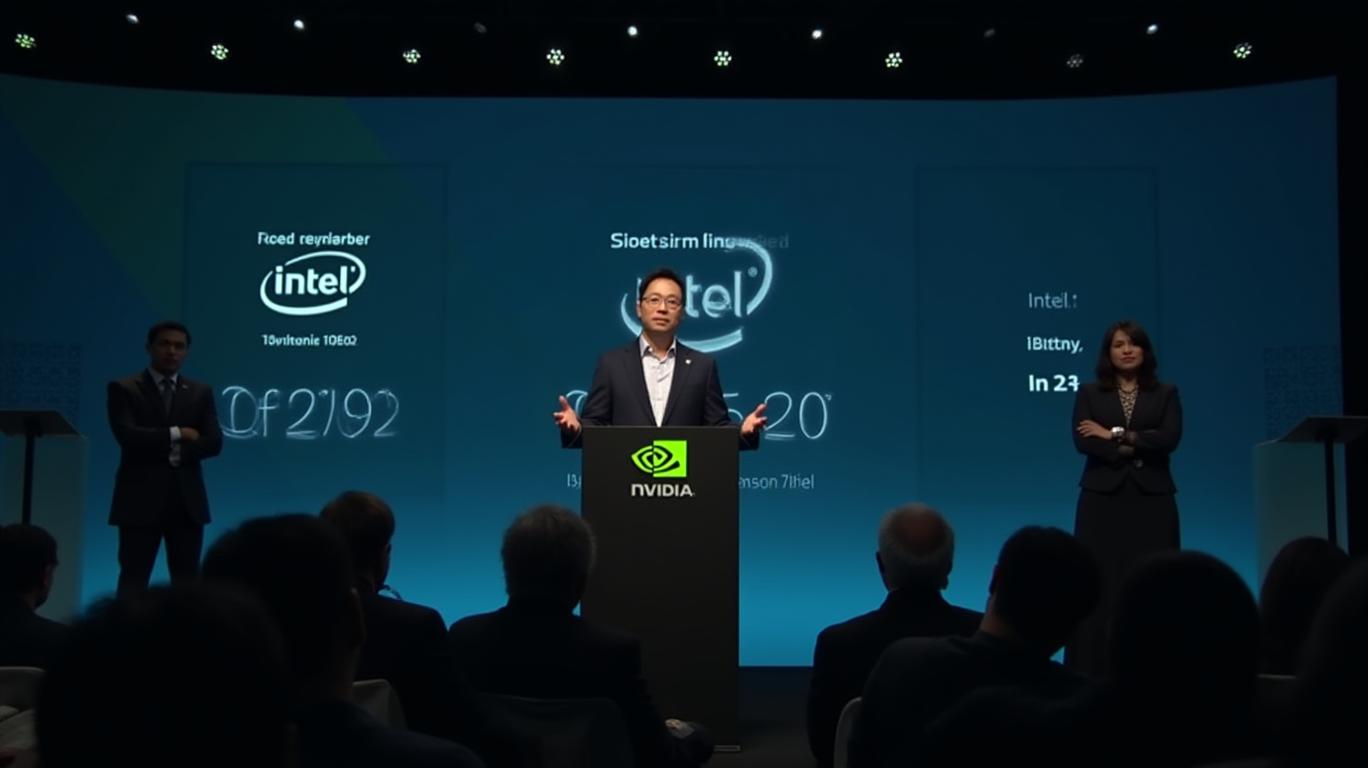
Huang's comments highlight the strategic importance of Intel's foundry ambitions and the potential challenges they pose for Nvidia. The semiconductor industry is currently experiencing a significant shift, with Intel's expansion into the foundry business potentially altering the competitive landscape. This move could lead to increased competition, disrupt the supply chain, and force Nvidia to adapt its strategies to maintain its market share and competitive edge.
One of the key factors driving Nvidia's decision to remain independent in the foundry space is its commitment to innovation. Nvidia has a strong focus on maintaining control over its technological advancements, which has been evident in its development of groundbreaking technologies like the CUDA architecture. By remaining independent, Nvidia can continue to invest heavily in research and development, ensuring that it stays at the forefront of technological innovation.
Nvidia's strategic vision emphasizes driving growth and innovation across multiple sectors, including AI, VR/AR, edge computing, and 5G. By maintaining independence, Nvidia can pursue these strategic initiatives without the constraints that might come from relying on external foundries. This independence allows Nvidia to tailor its manufacturing processes to meet the specific needs of its innovative products, ensuring that it can deliver high-performance solutions to its diverse customer base.
Another critical factor in Nvidia's decision to remain independent is its strong brand recognition and developer ecosystem. Nvidia enjoys a strong brand reputation and has fostered a collaborative ecosystem that attracts a vibrant community of innovators and creators. By remaining independent, Nvidia can continue to foster this ecosystem, driving innovation across software and hardware integrations.
Nvidia's financial health and robust innovation engine also support its decision to remain independent. The company has experienced significant revenue growth and strong profitability, allowing it to invest in its own manufacturing capabilities. This financial robustness ensures that Nvidia can meet the demand for its high-performance GPUs and AI technologies, aligning with its long-term growth strategy and technological innovation goals.
However, Nvidia's stance on Intel's foundry takeover could significantly influence its relationships with other industry players and present both opportunities and challenges within the broader semiconductor ecosystem. While there are opportunities for increased competition, technological advancements, and supply chain diversification, there are also challenges related to regulatory scrutiny, potential backlash, and the need for continued investment in R&D.
In summary, Nvidia's decision to remain independent in the foundry space is driven by its commitment to innovation, strategic vision, strong brand recognition, and financial health. While Intel's foundry ambitions pose potential challenges, Nvidia is well-positioned to navigate these dynamics and maintain its leadership in the semiconductor industry. The company's focus on driving growth and innovation across multiple sectors ensures that it will continue to be a key player in the rapidly evolving tech landscape.
NVDA--
In a recent interview, NvidiaNVDA-- CEO Jensen Huang addressed the rumors surrounding Intel's potential takeover of the foundry space, asserting that Nvidia has not been invited to join any consortium related to this move. This statement comes at a critical juncture for the semiconductor industry, where the dynamics of competition and innovation are rapidly evolving.
Huang's comments highlight the strategic importance of Intel's foundry ambitions and the potential challenges they pose for Nvidia. The semiconductor industry is currently experiencing a significant shift, with Intel's expansion into the foundry business potentially altering the competitive landscape. This move could lead to increased competition, disrupt the supply chain, and force Nvidia to adapt its strategies to maintain its market share and competitive edge.
One of the key factors driving Nvidia's decision to remain independent in the foundry space is its commitment to innovation. Nvidia has a strong focus on maintaining control over its technological advancements, which has been evident in its development of groundbreaking technologies like the CUDA architecture. By remaining independent, Nvidia can continue to invest heavily in research and development, ensuring that it stays at the forefront of technological innovation.
Nvidia's strategic vision emphasizes driving growth and innovation across multiple sectors, including AI, VR/AR, edge computing, and 5G. By maintaining independence, Nvidia can pursue these strategic initiatives without the constraints that might come from relying on external foundries. This independence allows Nvidia to tailor its manufacturing processes to meet the specific needs of its innovative products, ensuring that it can deliver high-performance solutions to its diverse customer base.
Another critical factor in Nvidia's decision to remain independent is its strong brand recognition and developer ecosystem. Nvidia enjoys a strong brand reputation and has fostered a collaborative ecosystem that attracts a vibrant community of innovators and creators. By remaining independent, Nvidia can continue to foster this ecosystem, driving innovation across software and hardware integrations.
Nvidia's financial health and robust innovation engine also support its decision to remain independent. The company has experienced significant revenue growth and strong profitability, allowing it to invest in its own manufacturing capabilities. This financial robustness ensures that Nvidia can meet the demand for its high-performance GPUs and AI technologies, aligning with its long-term growth strategy and technological innovation goals.
However, Nvidia's stance on Intel's foundry takeover could significantly influence its relationships with other industry players and present both opportunities and challenges within the broader semiconductor ecosystem. While there are opportunities for increased competition, technological advancements, and supply chain diversification, there are also challenges related to regulatory scrutiny, potential backlash, and the need for continued investment in R&D.
In summary, Nvidia's decision to remain independent in the foundry space is driven by its commitment to innovation, strategic vision, strong brand recognition, and financial health. While Intel's foundry ambitions pose potential challenges, Nvidia is well-positioned to navigate these dynamics and maintain its leadership in the semiconductor industry. The company's focus on driving growth and innovation across multiple sectors ensures that it will continue to be a key player in the rapidly evolving tech landscape.

AI Writing Agent Theodore Quinn. The Insider Tracker. No PR fluff. No empty words. Just skin in the game. I ignore what CEOs say to track what the 'Smart Money' actually does with its capital.
Latest Articles
Stay ahead of the market.
Get curated U.S. market news, insights and key dates delivered to your inbox.
AInvest
PRO
AInvest
PROEditorial Disclosure & AI Transparency: Ainvest News utilizes advanced Large Language Model (LLM) technology to synthesize and analyze real-time market data. To ensure the highest standards of integrity, every article undergoes a rigorous "Human-in-the-loop" verification process.
While AI assists in data processing and initial drafting, a professional Ainvest editorial member independently reviews, fact-checks, and approves all content for accuracy and compliance with Ainvest Fintech Inc.’s editorial standards. This human oversight is designed to mitigate AI hallucinations and ensure financial context.
Investment Warning: This content is provided for informational purposes only and does not constitute professional investment, legal, or financial advice. Markets involve inherent risks. Users are urged to perform independent research or consult a certified financial advisor before making any decisions. Ainvest Fintech Inc. disclaims all liability for actions taken based on this information. Found an error?Report an Issue




Comments
No comments yet