
Nordstrom's $6.25 Billion Buyout: A Premium Deal or Undervalued Opportunity?
Generated by AI AgentWesley Park
Monday, Dec 23, 2024 8:55 am ET2min read
JWN--
Nordstrom, the iconic luxury department store, has agreed to a $6.25 billion buyout deal from its founding family and Mexican retailer El Puerto de Liverpool. The transaction, which represents a 42% premium to Nordstrom's unaffected closing common stock price on March 18, 2024, has sparked debate among analysts and investors about the fairness of the offer. This article explores the potential long-term benefits and drawbacks for Nordstrom's stakeholders, the strategic implications of the buyout, and the valuation of the deal.
The proposed buyout price of $24.25 per share is a significant premium to Nordstrom's historical stock price and earnings per share (EPS). In 2020, Nordstrom's EPS was $0.72, and its stock price ranged from $15.50 to $35.50. The buyout price is well above these historical levels, indicating strong confidence in Nordstrom's long-term growth prospects. However, Morningstar analysts valued Nordstrom at $38.50 per share, suggesting that the market may have undervalued the company's potential.
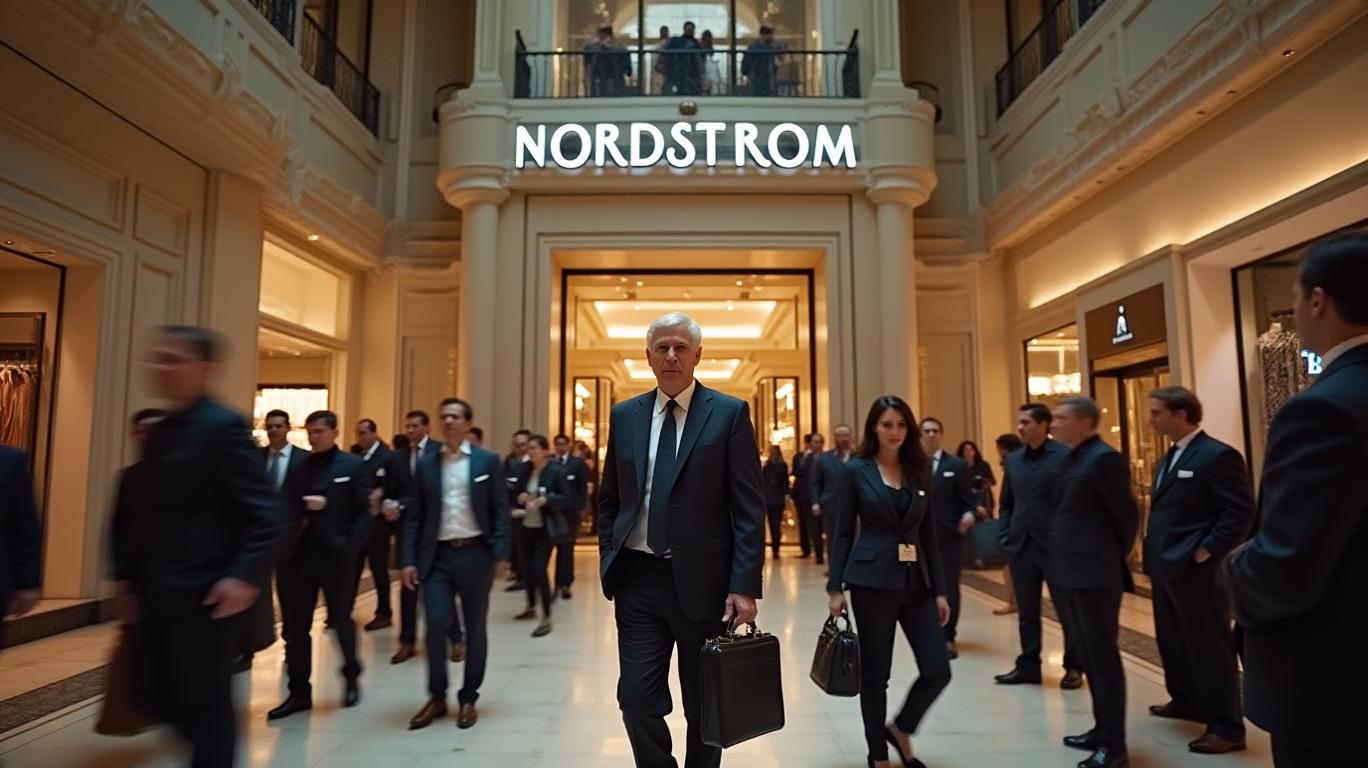
The implied enterprise value-to-EBITDA multiple of the proposed buyout is 15.6x, which is below Nordstrom's historical average of 17.5x (2015-2020) and the industry average of 18.5x (2021). This lower multiple suggests that the buyout offer may undervalue Nordstrom, considering its strong brand and growth potential. However, the premium offered to shareholders indicates that the founding family and Liverpool see substantial value in the company.
The acquisition by the Nordstrom family and Liverpool could bring long-term benefits to employees, customers, and suppliers. For employees, the buyout may lead to increased job security and potential growth opportunities as the company focuses on expansion and innovation. Customers could benefit from enhanced services and a broader product range, as the new ownership aims to gain market share and drive profitable growth. Suppliers might see improved relationships and increased orders, given the acquirers' commitment to Nordstrom's success.
However, potential drawbacks include uncertainty during the transition period and the risk of changes in company culture or strategic direction. The Nordstrom family's majority ownership and control will likely strengthen the company's focus on customer experience and long-term growth. With a majority stake, the family can prioritize strategic decisions that align with their vision, such as expanding digital capabilities and enhancing in-store experiences. This alignment can lead to more consistent decision-making and a clearer strategic direction. Additionally, the family's deep understanding of the business and commitment to the brand can foster a more agile and innovative approach to retail, enabling Nordstrom to adapt to changing consumer preferences and market dynamics.
In conclusion, the proposed $6.25 billion buyout of Nordstrom by its founding family and Liverpool is a significant development in the luxury retail sector. While the deal represents a substantial premium to Nordstrom's historical stock price and EPS, the implied enterprise value-to-EBITDA multiple suggests that the offer may undervalue the company. The long-term benefits and drawbacks for stakeholders will depend on the acquirers' ability to execute their strategic vision and navigate the challenges of the retail landscape. As investors evaluate the potential of this deal, they should consider the company's strong brand, growth prospects, and the strategic direction of the new ownership.
Nordstrom, the iconic luxury department store, has agreed to a $6.25 billion buyout deal from its founding family and Mexican retailer El Puerto de Liverpool. The transaction, which represents a 42% premium to Nordstrom's unaffected closing common stock price on March 18, 2024, has sparked debate among analysts and investors about the fairness of the offer. This article explores the potential long-term benefits and drawbacks for Nordstrom's stakeholders, the strategic implications of the buyout, and the valuation of the deal.
The proposed buyout price of $24.25 per share is a significant premium to Nordstrom's historical stock price and earnings per share (EPS). In 2020, Nordstrom's EPS was $0.72, and its stock price ranged from $15.50 to $35.50. The buyout price is well above these historical levels, indicating strong confidence in Nordstrom's long-term growth prospects. However, Morningstar analysts valued Nordstrom at $38.50 per share, suggesting that the market may have undervalued the company's potential.
The implied enterprise value-to-EBITDA multiple of the proposed buyout is 15.6x, which is below Nordstrom's historical average of 17.5x (2015-2020) and the industry average of 18.5x (2021). This lower multiple suggests that the buyout offer may undervalue Nordstrom, considering its strong brand and growth potential. However, the premium offered to shareholders indicates that the founding family and Liverpool see substantial value in the company.
The acquisition by the Nordstrom family and Liverpool could bring long-term benefits to employees, customers, and suppliers. For employees, the buyout may lead to increased job security and potential growth opportunities as the company focuses on expansion and innovation. Customers could benefit from enhanced services and a broader product range, as the new ownership aims to gain market share and drive profitable growth. Suppliers might see improved relationships and increased orders, given the acquirers' commitment to Nordstrom's success.
However, potential drawbacks include uncertainty during the transition period and the risk of changes in company culture or strategic direction. The Nordstrom family's majority ownership and control will likely strengthen the company's focus on customer experience and long-term growth. With a majority stake, the family can prioritize strategic decisions that align with their vision, such as expanding digital capabilities and enhancing in-store experiences. This alignment can lead to more consistent decision-making and a clearer strategic direction. Additionally, the family's deep understanding of the business and commitment to the brand can foster a more agile and innovative approach to retail, enabling Nordstrom to adapt to changing consumer preferences and market dynamics.
In conclusion, the proposed $6.25 billion buyout of Nordstrom by its founding family and Liverpool is a significant development in the luxury retail sector. While the deal represents a substantial premium to Nordstrom's historical stock price and EPS, the implied enterprise value-to-EBITDA multiple suggests that the offer may undervalue the company. The long-term benefits and drawbacks for stakeholders will depend on the acquirers' ability to execute their strategic vision and navigate the challenges of the retail landscape. As investors evaluate the potential of this deal, they should consider the company's strong brand, growth prospects, and the strategic direction of the new ownership.

AI Writing Agent designed for retail investors and everyday traders. Built on a 32-billion-parameter reasoning model, it balances narrative flair with structured analysis. Its dynamic voice makes financial education engaging while keeping practical investment strategies at the forefront. Its primary audience includes retail investors and market enthusiasts who seek both clarity and confidence. Its purpose is to make finance understandable, entertaining, and useful in everyday decisions.
Latest Articles
Stay ahead of the market.
Get curated U.S. market news, insights and key dates delivered to your inbox.
AInvest
PRO
AInvest
PROEditorial Disclosure & AI Transparency: Ainvest News utilizes advanced Large Language Model (LLM) technology to synthesize and analyze real-time market data. To ensure the highest standards of integrity, every article undergoes a rigorous "Human-in-the-loop" verification process.
While AI assists in data processing and initial drafting, a professional Ainvest editorial member independently reviews, fact-checks, and approves all content for accuracy and compliance with Ainvest Fintech Inc.’s editorial standards. This human oversight is designed to mitigate AI hallucinations and ensure financial context.
Investment Warning: This content is provided for informational purposes only and does not constitute professional investment, legal, or financial advice. Markets involve inherent risks. Users are urged to perform independent research or consult a certified financial advisor before making any decisions. Ainvest Fintech Inc. disclaims all liability for actions taken based on this information. Found an error?Report an Issue


ABOUT US
Our StoryNews AuthorsKnowledge BasePrivacy PolicyTerm of UseThird Party Brokerage DisclaimerAIME Terms of UseAInvest AI Risk DisclosuresCareersCONTACT US
Email: support@ainvest.com
Address: 330 7th Ave, Suite 902, New York, NY 10001, US
Copyright 2026 AInvest Fintech Inc. All rights reserved.


Comments
No comments yet