
U.S. Navy to Select F/A-XX Manufacturer, Billions at Stake
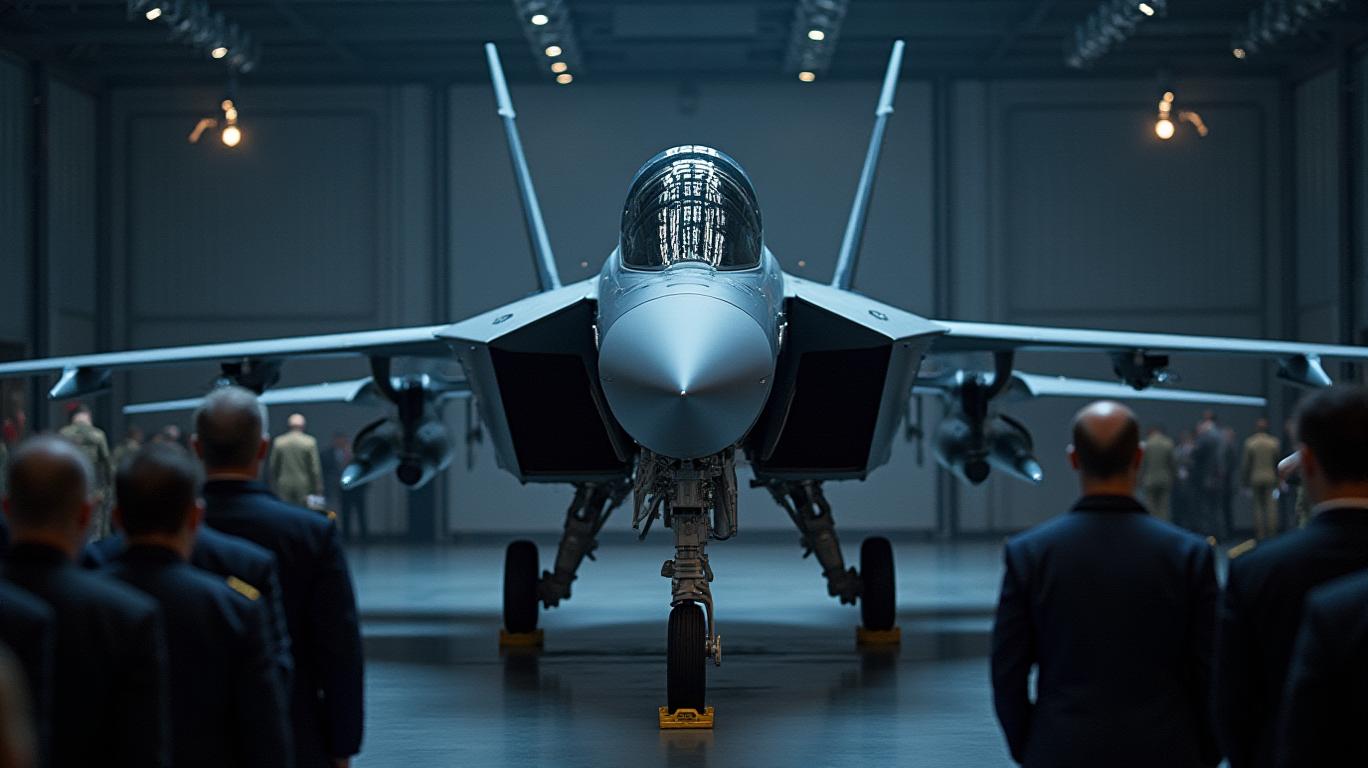
The United States Navy is poised to announce the manufacturer for its next-generation fighter jet, the F/A-XX, this week. This long-term project aims to replace the aging F/A-18E/F Super Hornet fleet with a more advanced aircraft featuring superior stealth capabilities, extended range, and enhanced endurance. The initial engineering and manufacturing development contract is expected to be worth tens of billions of dollars, with the entire program projected to reach thousands of billions over its lifespan.
The F/A-XX is designed to seamlessly integrate with unmanned combat aircraft and naval ship defense systems, ensuring a comprehensive and modernized air defense strategy for the U.S. Navy. The aircraft is slated to enter service in the 2030s, with the current F/A-18 fleet expected to remain operational until the 2040s.
Three major defense contractors—Boeing, Lockheed Martin, and Northrop Grumman—are vying for this high-stakes contract. Each company has submitted detailed proposals and prototypes, showcasing their unique capabilities and technological advancements. This competition marks a pivotal moment in the defense industry, as each contender brings distinct strengths to the table.
Boeing, despite recent challenges such as labor disputes, layoffs, and issues with the Starliner spacecraft and KC-46 tanker, has shown resilience with its recent win of the U.S. Air Force's F-47 contract. The company also produces the MQ-25, an unmanned aerial refueling aircraft designed for carrier operations. By managing both the F/A-XX and F-47 projects, BoeingBA-- can leverage economies of scale through shared technology and bulk procurement of materials.
Northrop Grumman is renowned for its expertise in stealth technology, having played a crucial role in the development of the B-2 and B-21 bombers. This specialized knowledge positions the company as a formidable competitor in the F/A-XX program.
Lockheed Martin, initially seen as a front-runner, faces challenges in meeting some of the Navy's requirements, particularly in radar systems and carrier landing performance. Previous reports suggested that Lockheed Martin might have withdrawn from the competition, but this has not been confirmed by the Navy.
The selection of the winning bidder will have significant implications for the defense industry. The chosen manufacturer will not only secure a massive contract but also gain a competitive edge in the global market for advanced military aircraft. The F/A-XX program underscores the U.S. Navy's commitment to maintaining its technological superiority and readiness to address future defense challenges.

Stay ahead of the market.
Get curated U.S. market news, insights and key dates delivered to your inbox.




Comments
No comments yet