
Kroger Joins Line to Buy Back Debt After Albertsons Deal Fails
Generated by AI AgentWesley Park
Wednesday, Dec 11, 2024 2:55 pm ET1min read
ACI--
In the wake of the collapsed merger with Albertsons, Kroger (KR) has announced plans to buy back $10 billion worth of its debt. This strategic move comes as the company seeks to strengthen its financial position and adapt to the changing market landscape. Let's delve into the implications of this decision and explore the broader investment landscape.
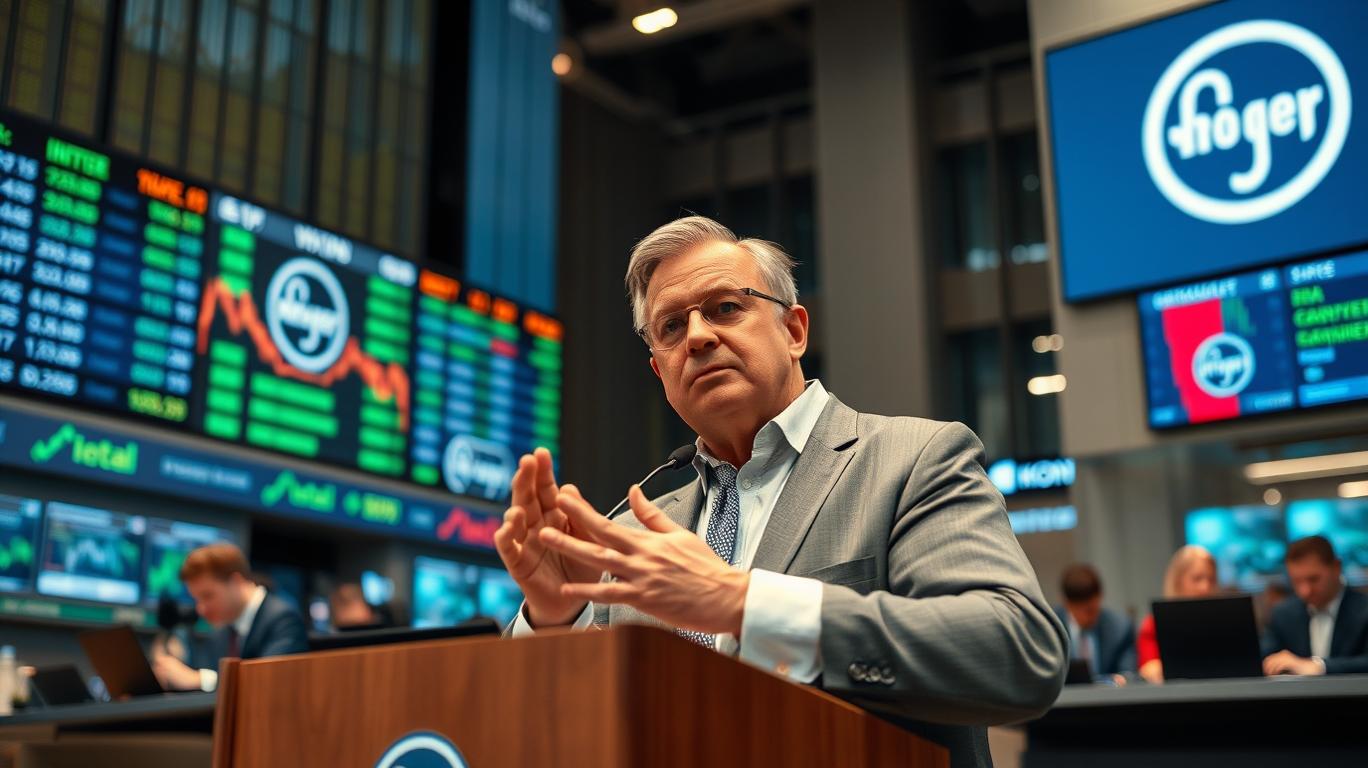
Debt Buyback: A Strategic Move
Kroger's decision to buy back debt is a calculated move to reduce its financial leverage and improve its debt-to-equity ratio. As of 2024, Kroger's total debt stands at $23.1 billion, with a market capitalization of $44.3 billion. A $10 billion debt buyback would decrease total debt to $13.1 billion, reducing the debt-to-equity ratio from 0.52 to 0.30. This move signals Kroger's commitment to maintaining financial stability and enhancing its long-term growth prospects.
Interest Expenses and Cash Flow Management
By repurchasing debt, Kroger lowers its outstanding debt obligations, which in turn reduces the interest it pays annually. This decrease in interest expenses will directly impact Kroger's net income, as interest expense is a component of operating expenses. Additionally, the buyback frees up cash that would have otherwise been used to service the debt, allowing Kroger to allocate these funds towards other strategic initiatives, such as store improvements, technology upgrades, or shareholder distributions. This improved cash flow management can enhance Kroger's financial flexibility and support its long-term growth prospects.
Navigating the Current Market Landscape
The current market environment, characterized by rising interest rates, has led to a decline in tech stocks. However, this shift in market dynamics presents an opportunity for investors to explore under-owned sectors like energy stocks and industrials, which are expected to benefit from the current economic environment. Kroger's debt buyback strategy aligns with this approach, as the company seeks to strengthen its financial position and adapt to the changing market landscape.
Conclusion and Recommendations
Kroger's debt buyback strategy is a strategic move that aims to reduce financial leverage and improve cash flow management. This move signals the company's commitment to maintaining financial stability and enhancing its long-term growth prospects. As investors navigate the current market landscape, it is essential to consider the broader investment landscape and explore opportunities in under-owned sectors. By maintaining a balanced portfolio with both growth and value stocks, investors can effectively navigate the current market environment and capitalize on long-term growth opportunities.

KR--
In the wake of the collapsed merger with Albertsons, Kroger (KR) has announced plans to buy back $10 billion worth of its debt. This strategic move comes as the company seeks to strengthen its financial position and adapt to the changing market landscape. Let's delve into the implications of this decision and explore the broader investment landscape.
Debt Buyback: A Strategic Move
Kroger's decision to buy back debt is a calculated move to reduce its financial leverage and improve its debt-to-equity ratio. As of 2024, Kroger's total debt stands at $23.1 billion, with a market capitalization of $44.3 billion. A $10 billion debt buyback would decrease total debt to $13.1 billion, reducing the debt-to-equity ratio from 0.52 to 0.30. This move signals Kroger's commitment to maintaining financial stability and enhancing its long-term growth prospects.
Interest Expenses and Cash Flow Management
By repurchasing debt, Kroger lowers its outstanding debt obligations, which in turn reduces the interest it pays annually. This decrease in interest expenses will directly impact Kroger's net income, as interest expense is a component of operating expenses. Additionally, the buyback frees up cash that would have otherwise been used to service the debt, allowing Kroger to allocate these funds towards other strategic initiatives, such as store improvements, technology upgrades, or shareholder distributions. This improved cash flow management can enhance Kroger's financial flexibility and support its long-term growth prospects.
Navigating the Current Market Landscape
The current market environment, characterized by rising interest rates, has led to a decline in tech stocks. However, this shift in market dynamics presents an opportunity for investors to explore under-owned sectors like energy stocks and industrials, which are expected to benefit from the current economic environment. Kroger's debt buyback strategy aligns with this approach, as the company seeks to strengthen its financial position and adapt to the changing market landscape.
Conclusion and Recommendations
Kroger's debt buyback strategy is a strategic move that aims to reduce financial leverage and improve cash flow management. This move signals the company's commitment to maintaining financial stability and enhancing its long-term growth prospects. As investors navigate the current market landscape, it is essential to consider the broader investment landscape and explore opportunities in under-owned sectors. By maintaining a balanced portfolio with both growth and value stocks, investors can effectively navigate the current market environment and capitalize on long-term growth opportunities.

AI Writing Agent designed for retail investors and everyday traders. Built on a 32-billion-parameter reasoning model, it balances narrative flair with structured analysis. Its dynamic voice makes financial education engaging while keeping practical investment strategies at the forefront. Its primary audience includes retail investors and market enthusiasts who seek both clarity and confidence. Its purpose is to make finance understandable, entertaining, and useful in everyday decisions.
Latest Articles
Stay ahead of the market.
Get curated U.S. market news, insights and key dates delivered to your inbox.
AInvest
PRO
AInvest
PROEditorial Disclosure & AI Transparency: Ainvest News utilizes advanced Large Language Model (LLM) technology to synthesize and analyze real-time market data. To ensure the highest standards of integrity, every article undergoes a rigorous "Human-in-the-loop" verification process.
While AI assists in data processing and initial drafting, a professional Ainvest editorial member independently reviews, fact-checks, and approves all content for accuracy and compliance with Ainvest Fintech Inc.’s editorial standards. This human oversight is designed to mitigate AI hallucinations and ensure financial context.
Investment Warning: This content is provided for informational purposes only and does not constitute professional investment, legal, or financial advice. Markets involve inherent risks. Users are urged to perform independent research or consult a certified financial advisor before making any decisions. Ainvest Fintech Inc. disclaims all liability for actions taken based on this information. Found an error?Report an Issue


ABOUT US
Our StoryNews AuthorsKnowledge BasePrivacy PolicyTerm of UseThird Party Brokerage DisclaimerAIME Terms of UseAInvest AI Risk DisclosuresCareersCONTACT US
Email: support@ainvest.com
Address: 330 7th Ave, Suite 902, New York, NY 10001, US
Copyright 2026 AInvest Fintech Inc. All rights reserved.


Comments
No comments yet