
Iran, US Agree to Continue Nuclear Talks in Oman
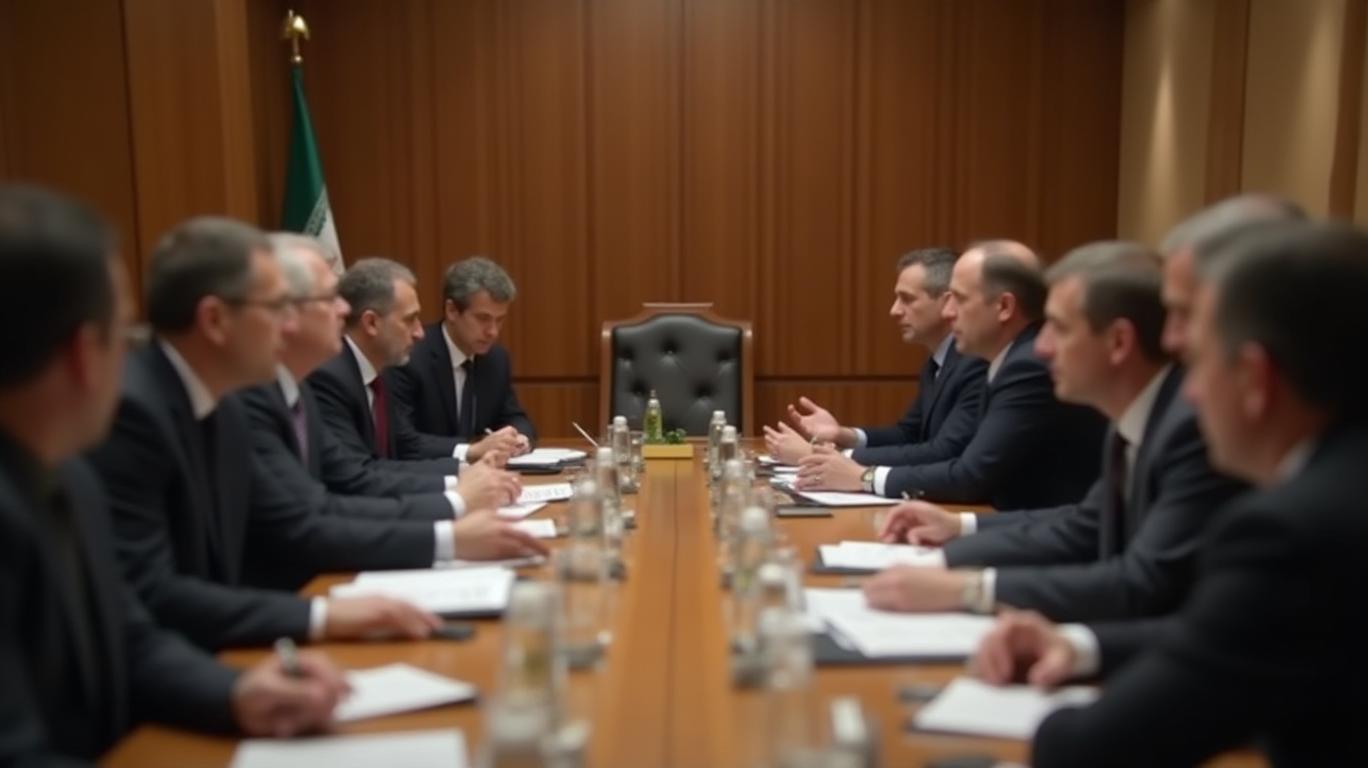
Iran and the United States have agreed to continue their negotiations over Tehran's nuclear program following the conclusion of their first round of indirect, high-level talks in Oman. The discussions, which took place in Muscat, were aimed at reviving negotiations that had stalled due to Tehran's rapidly advancing nuclear capabilities and the threat of military action from the United States. The talks were mediated by Omani Foreign Minister Badr bin Hamad Al Busaidi, who described the atmosphere as "friendly" and conducive to bridging viewpoints.
The negotiations focused on several key issues, including de-escalating regional tensions, prisoner exchanges, and limited agreements to ease sanctions in exchange for controlling Iran's nuclear program. Iranian Foreign Minister Abbas Araghchi led the delegation, while the U.S. side was represented by President Donald Trump's Middle East envoy. Both sides engaged in a direct conversation following the conclusion of the talks, indicating a willingness to continue the dialogue.
The talks come at a critical time, as tensions in the region have been high due to conflicts in Gaza and Lebanon, missile fire between Iran and Israel, Houthi attacks on Red Sea shipping, and the overthrow of the government in Syria. Iran has warned neighboring countries with U.S. bases that they would face "severe consequences" if they were involved in any military attack on Iran. The outcome of these talks could significantly impact the stability of the region, which is a major exporter of the world's oil.
Iran has maintained that its nuclear program is for civilian purposes, but Western countries suspect it aims to build an atomic bomb. The enrichment of uranium, a key component of nuclear fuel, has raised concerns about Iran's intentions. Trump's administration has reimposed crippling sanctions on Iran after withdrawing from the 2015 nuclear pact, leading to a rapid advancement in Iran's nuclear capabilities.
The talks were described as taking place in a "positive atmosphere" by a member of Iran's delegation. However, Iran remains skeptical about the potential for a deal, given Trump's repeated threats of military action. The Supreme Leader of Iran, Ayatollah Ali Khamenei, has given Foreign Minister Araghchi full authority to conduct the talks, emphasizing the importance of the negotiations for Iran's future.
The duration and scope of the talks will depend on the U.S. side's seriousness and goodwill, according to an Iranian official. Iran has ruled out negotiating its defense capabilities, such as its missile program, but is open to discussions on its nuclear activities. The talks are expected to continue next week, with both sides expressing a willingness to engage in further negotiations to address the ongoing crisis.
Analysts suggest that the willingness of both sides to continue the dialogue is a positive sign, indicating that there may be room for a diplomatic resolution to the long-standing nuclear dispute. However, the path forward remains uncertain, as both sides have significant concerns and demands that need to be addressed. The outcome of these talks will be closely watched by the international community, as the stability of the region and the global oil market hang in the balance.

Stay ahead of the market.
Get curated U.S. market news, insights and key dates delivered to your inbox.






Comments
No comments yet