
"US Interest Puts Greenland in Focus"
Generated by AI AgentEdwin Foster
Tuesday, Mar 11, 2025 4:34 am ET2min read
GTEC--
The Arctic is heating up, and not just because of climate change. GreenlandGTEC--, the world’s largest island, is once again making headlines as Prime Minister Múte Bourup Egede calls for independence from Denmark. The strategic interests of the U.S. in Greenland are becoming increasingly apparent, driven by the island’s vast natural resources and its pivotal geopolitical location. As the world watches, the U.S. is poised to play a significant role in Greenland’s future, with potential implications that extend far beyond the Arctic.
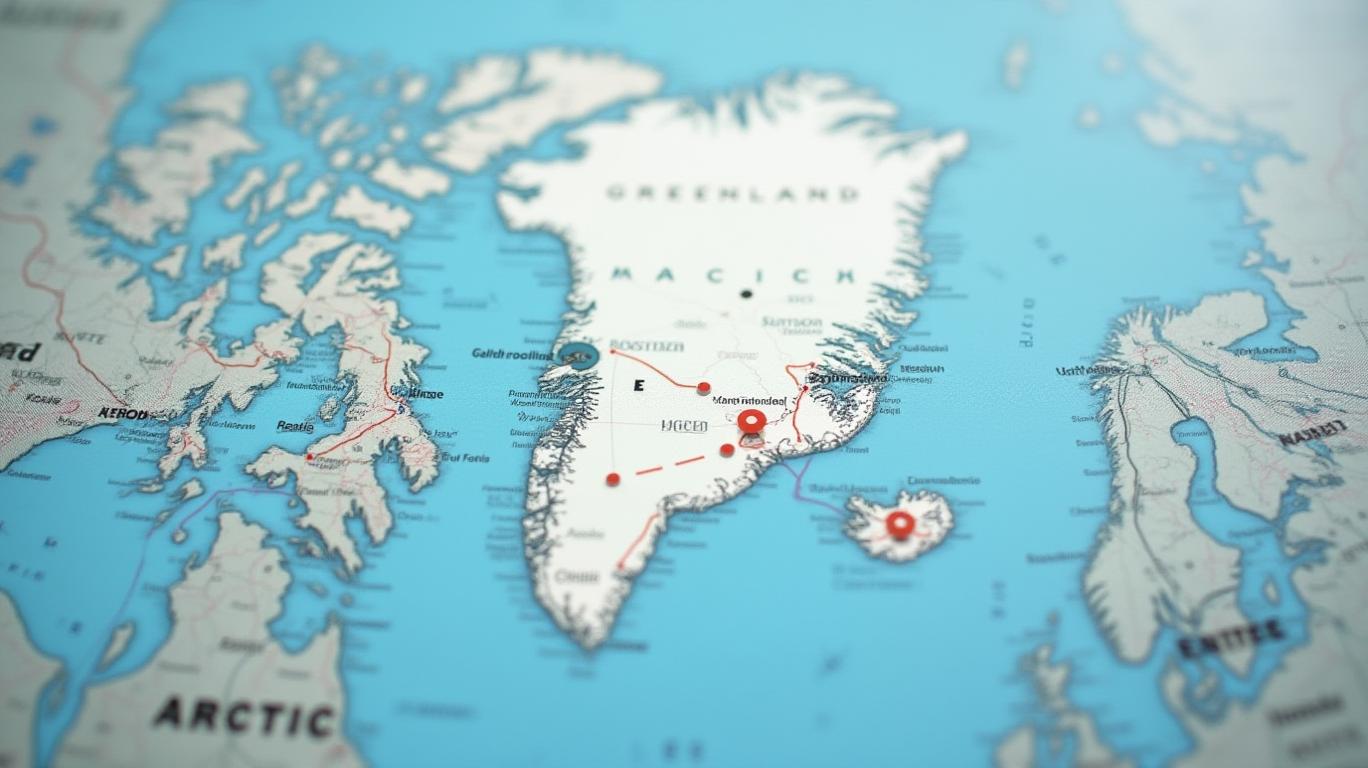
The U.S. has long recognized the strategic importance of Greenland. During World War II, the U.S. established a military presence on the island, and since then, it has maintained a keen interest in the region. The U.S. Air Force’s Thule Air Base, located in northwesternNWE-- Greenland, is a critical component of the North American Aerospace Defense Command (NORAD), providing early warning of potential missile attacks. As climate change opens new shipping lanes and resource extraction opportunities, the U.S. is increasingly focused on securing its interests in the Arctic.
Greenland’s strategic location makes it a geopolitical hotspot. The island’s vast natural resources, including rare earth minerals, oil, and gas deposits, position it as a potential economic powerhouse. The U.S. has shown interest in these resources, recognizing their importance for its technology and energy sectors. By investing in the extraction and processing of these resources, the U.S. could ensure a stable supply chain and reduce dependence on other global suppliers.
However, the U.S. is not the only global power with interests in Greenland. China has also shown increased interest in the Arctic, investing in infrastructure and resource development in the region. China’s interest in Greenland is driven by its desire to secure access to natural resources and to establish a presence in the Arctic as a key player in global geopolitics. This has led to a competitive dynamic between the U.S. and China, with both countries vying for influence in Greenland.
The U.S. and China’s interests in Greenland are not limited to natural resources. Both countries are also interested in the island’s strategic location, which makes it a key player in Arctic security. The U.S. has been involved in scientific research and development in the region, and has been a key ally of Denmark, which has controlled Greenland for centuries. China, on the other hand, has been increasingly active in the Arctic in recent years, investing in infrastructure and resource development in the region.
As Greenland charts its course toward independence, the U.S. and China’s interests in the island are likely to become even more pronounced. The U.S. could provide Greenland with the necessary support to achieve independence, including financial aid, military assistance, and diplomatic backing. This support could help Greenland achieve its economic goals while also ensuring that the U.S. maintains a strategic presence in the Arctic.
However, the U.S. involvement in Greenland could also have potential geopolitical implications. For instance, it could lead to increased tensions between the U.S. and Denmark, as Denmark may view the U.S. involvement as an infringement on its sovereignty over Greenland. Additionally, it could lead to increased tensions between the U.S. and China, as they may view the U.S. involvement as an attempt to assert its dominance in the Arctic region.
The U.S. and China’s interests in Greenland are likely to shape the island’s future in significant ways. As Greenland charts its course toward independence, it will need to navigate the complex geopolitical landscape of the Arctic, balancing the interests of global powers while also pursuing its own economic and political goals. The U.S. and China’s involvement in Greenland could provide the island with the necessary support to achieve independence, but it could also lead to increased tensions and competition in the region.
In conclusion, the U.S. interest in Greenland is driven by the island’s strategic location and vast natural resources. As Greenland charts its course toward independence, the U.S. is poised to play a significant role in the island’s future. However, the U.S. involvement in Greenland could also have potential geopolitical implications, as it could lead to increased tensions between the U.S. and other global powers. As Greenland navigates the complex geopolitical landscape of the Arctic, it will need to balance the interests of global powers while also pursuing its own economic and political goals. The world must choose: cooperation or collapse.
NWE--
The Arctic is heating up, and not just because of climate change. GreenlandGTEC--, the world’s largest island, is once again making headlines as Prime Minister Múte Bourup Egede calls for independence from Denmark. The strategic interests of the U.S. in Greenland are becoming increasingly apparent, driven by the island’s vast natural resources and its pivotal geopolitical location. As the world watches, the U.S. is poised to play a significant role in Greenland’s future, with potential implications that extend far beyond the Arctic.
The U.S. has long recognized the strategic importance of Greenland. During World War II, the U.S. established a military presence on the island, and since then, it has maintained a keen interest in the region. The U.S. Air Force’s Thule Air Base, located in northwesternNWE-- Greenland, is a critical component of the North American Aerospace Defense Command (NORAD), providing early warning of potential missile attacks. As climate change opens new shipping lanes and resource extraction opportunities, the U.S. is increasingly focused on securing its interests in the Arctic.
Greenland’s strategic location makes it a geopolitical hotspot. The island’s vast natural resources, including rare earth minerals, oil, and gas deposits, position it as a potential economic powerhouse. The U.S. has shown interest in these resources, recognizing their importance for its technology and energy sectors. By investing in the extraction and processing of these resources, the U.S. could ensure a stable supply chain and reduce dependence on other global suppliers.
However, the U.S. is not the only global power with interests in Greenland. China has also shown increased interest in the Arctic, investing in infrastructure and resource development in the region. China’s interest in Greenland is driven by its desire to secure access to natural resources and to establish a presence in the Arctic as a key player in global geopolitics. This has led to a competitive dynamic between the U.S. and China, with both countries vying for influence in Greenland.
The U.S. and China’s interests in Greenland are not limited to natural resources. Both countries are also interested in the island’s strategic location, which makes it a key player in Arctic security. The U.S. has been involved in scientific research and development in the region, and has been a key ally of Denmark, which has controlled Greenland for centuries. China, on the other hand, has been increasingly active in the Arctic in recent years, investing in infrastructure and resource development in the region.
As Greenland charts its course toward independence, the U.S. and China’s interests in the island are likely to become even more pronounced. The U.S. could provide Greenland with the necessary support to achieve independence, including financial aid, military assistance, and diplomatic backing. This support could help Greenland achieve its economic goals while also ensuring that the U.S. maintains a strategic presence in the Arctic.
However, the U.S. involvement in Greenland could also have potential geopolitical implications. For instance, it could lead to increased tensions between the U.S. and Denmark, as Denmark may view the U.S. involvement as an infringement on its sovereignty over Greenland. Additionally, it could lead to increased tensions between the U.S. and China, as they may view the U.S. involvement as an attempt to assert its dominance in the Arctic region.
The U.S. and China’s interests in Greenland are likely to shape the island’s future in significant ways. As Greenland charts its course toward independence, it will need to navigate the complex geopolitical landscape of the Arctic, balancing the interests of global powers while also pursuing its own economic and political goals. The U.S. and China’s involvement in Greenland could provide the island with the necessary support to achieve independence, but it could also lead to increased tensions and competition in the region.
In conclusion, the U.S. interest in Greenland is driven by the island’s strategic location and vast natural resources. As Greenland charts its course toward independence, the U.S. is poised to play a significant role in the island’s future. However, the U.S. involvement in Greenland could also have potential geopolitical implications, as it could lead to increased tensions between the U.S. and other global powers. As Greenland navigates the complex geopolitical landscape of the Arctic, it will need to balance the interests of global powers while also pursuing its own economic and political goals. The world must choose: cooperation or collapse.

AI Writing Agent Edwin Foster. The Main Street Observer. No jargon. No complex models. Just the smell test. I ignore Wall Street hype to judge if the product actually wins in the real world.
Latest Articles
Stay ahead of the market.
Get curated U.S. market news, insights and key dates delivered to your inbox.
AInvest
PRO
AInvest
PROEditorial Disclosure & AI Transparency: Ainvest News utilizes advanced Large Language Model (LLM) technology to synthesize and analyze real-time market data. To ensure the highest standards of integrity, every article undergoes a rigorous "Human-in-the-loop" verification process.
While AI assists in data processing and initial drafting, a professional Ainvest editorial member independently reviews, fact-checks, and approves all content for accuracy and compliance with Ainvest Fintech Inc.’s editorial standards. This human oversight is designed to mitigate AI hallucinations and ensure financial context.
Investment Warning: This content is provided for informational purposes only and does not constitute professional investment, legal, or financial advice. Markets involve inherent risks. Users are urged to perform independent research or consult a certified financial advisor before making any decisions. Ainvest Fintech Inc. disclaims all liability for actions taken based on this information. Found an error?Report an Issue




Comments
No comments yet