
U.S. to Initiate Bilateral Trade Talks, Imposing Reciprocal Tariffs
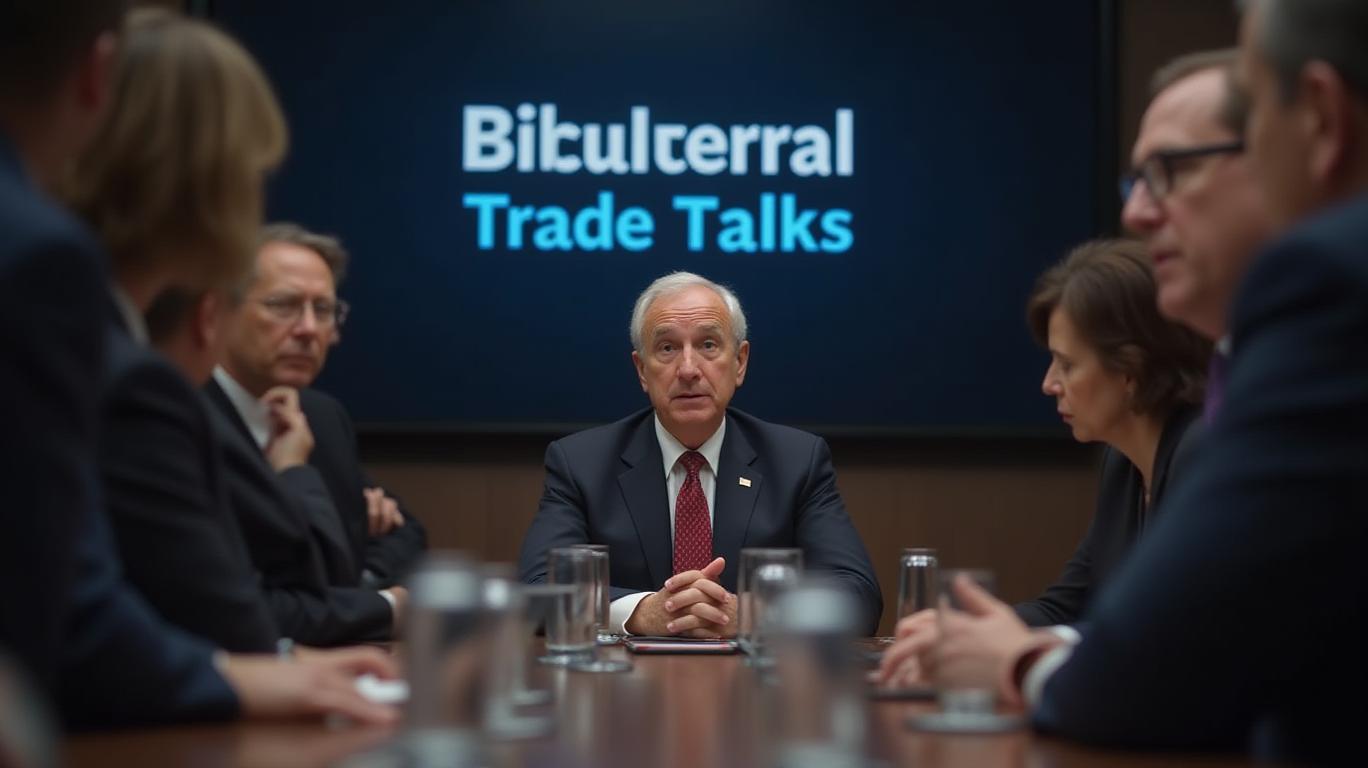
The U.S. Secretary of State, Marco Rubio, has declared that the United States will initiate bilateral negotiations with all its trading partners following the implementation of tariffs. This decision is part of a comprehensive strategy to revamp the country's trade relationships and ensure that new agreements are mutually advantageous.
Rubio stressed that the U.S. is ready to enter into new bilateral agreements with partner nations to modify the existing trade structure. This approach aims to tackle the imbalances and unfair practices that have been a point of contention in recent years. By engaging in direct negotiations, the U.S. seeks to establish more equitableEQH-- trade arrangements that benefit both parties involved.
The Secretary of State pointed out that these negotiations will be conducted on a bilateral basis, allowing for more customized and specific discussions with each trading partner. This method differs from multilateral negotiations, which often involve complex and lengthy processes. By focusing on one-on-one talks, the U.S. can address the unique challenges and opportunities presented by each trading relationship.
Rubio also mentioned that the U.S. will impose tariffs on countries in response to the tariffs they impose on American goods. This reciprocal approach is designed to level the playing field and encourage fair trade practices. The Secretary of State clarified that this strategy is not targeted at specific countries, but rather at any country that engages in unfair trade practices.
The announcement comes as the U.S. seeks to redefine its trade policies in a rapidly changing global economy. By engaging in bilateral negotiations, the U.S. aims to secure more favorable terms for American businesses and workers. This strategy also allows for greater flexibility in addressing specific trade issues, rather than being constrained by broader multilateral agreements.
Rubio's statement underscores the U.S. commitment to pursuing trade policies that prioritize American interests while fostering mutually beneficial relationships with its trading partners. The bilateral approach is seen as a more effective way to achieve these goals, as it allows for more direct and focused negotiations. This strategy is expected to have significant implications for global trade dynamics, as other countries may follow suit in adopting similar bilateral negotiation tactics.

Stay ahead of the market.
Get curated U.S. market news, insights and key dates delivered to your inbox.






Comments
No comments yet