
Indonesia Reaches Pact With Apple, Signaling End for iPhone Ban
Generated by AI AgentWesley Park
Wednesday, Feb 26, 2025 3:20 am ET2min read
AAPL--
After months of negotiations, Indonesia and Apple have finally reached an agreement that could put an end to the iPhone 16 ban in the Southeast Asian country. The deal, which is expected to be formalized as early as this week, involves Apple investing $1 billion in Indonesia, a significant increase from its previous commitments of $10 million and $100 million that were rejected by the government.

The agreement comes as a win for both parties. For Indonesia, the hardball tactics have paid off, securing significant investment from a major foreign company and supporting the government's goal of boosting local manufacturing rather than simply using the nation as a sales hub. The government had previously said that Apple had invested only about $95 million in Indonesia, so the $1 billion commitment is a substantial increase.
For Apple, the deal gives it access to Indonesia's massive consumer market at a time when sales in China have slowed. Although Apple ranks outside the top five smartphone brands in Indonesia, the country's population of 278 million people, with over half under the age of 44 and tech-savvy, presents a lucrative growth opportunity. The agreement also comes at an opportune time for Indonesian President Prabowo Subianto, who has faced multiple policy U-turns and protests in recent weeks.
As part of the agreement, Apple will commit to training local talent in research and development, enabling Indonesians to develop software and design their own products. This addresses one of the government's key demands for Apple to establish R&D facilities in the country. The innovation investment will be done through programs other than the existing Apple academies, which focus on training local app developers.
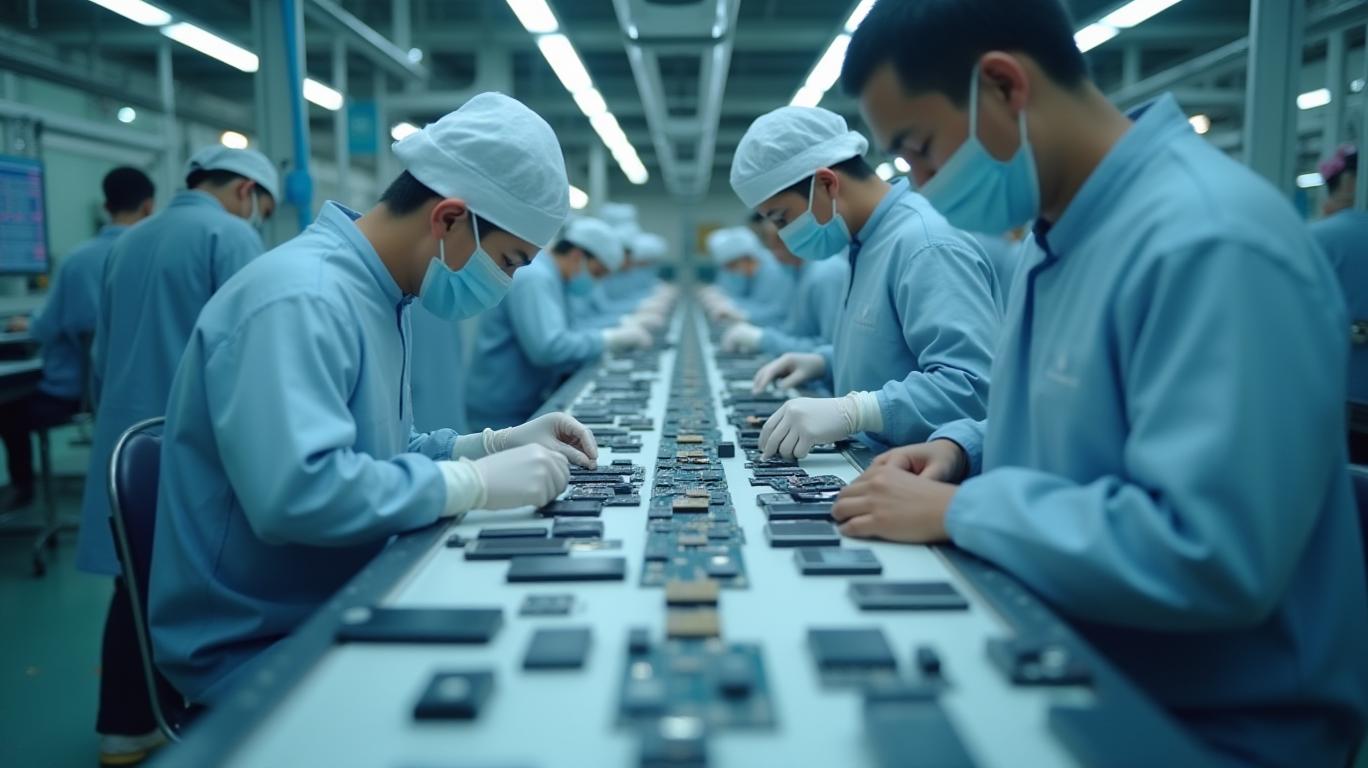
Apple will also set up two manufacturing plants in Indonesia. The first plant, on Batam island, will produce AirTags, Apple's device tracking accessories. This facility will be operated by Apple supplier Luxshare Precision Industry Co. and is expected to eventually account for 20% of global AirTag production. The second manufacturing facility, in Bandung, will produce other types of accessories.
The deal is a victory for Indonesian President Prabowo Subianto, who directed his ministers to accept Apple's $1 billion investment offer. However, the Ministry of Industry unexpectedly upheld the ban last month while seeking better terms, which have apparently now been agreed. Despite the setbacks, talks between Apple and the Indonesian government had continued to progress positively, and last week, industry minister Agus Gumiwang Kartasasmita announced that Apple had settled a $10 million debt to the government for not complying with local rules between 2020 to 2023.
In conclusion, the agreement between Indonesia and Apple signals the end of the iPhone 16 ban and opens up new opportunities for both parties. For Indonesia, the deal secures significant investment and supports the government's goal of boosting local manufacturing. For Apple, the deal provides access to a massive consumer market and addresses local regulations, ensuring compliance with domestic manufacturing requirements. As both parties move forward with the agreement, the future looks bright for the tech giant and the Southeast Asian country.
After months of negotiations, Indonesia and Apple have finally reached an agreement that could put an end to the iPhone 16 ban in the Southeast Asian country. The deal, which is expected to be formalized as early as this week, involves Apple investing $1 billion in Indonesia, a significant increase from its previous commitments of $10 million and $100 million that were rejected by the government.
The agreement comes as a win for both parties. For Indonesia, the hardball tactics have paid off, securing significant investment from a major foreign company and supporting the government's goal of boosting local manufacturing rather than simply using the nation as a sales hub. The government had previously said that Apple had invested only about $95 million in Indonesia, so the $1 billion commitment is a substantial increase.
For Apple, the deal gives it access to Indonesia's massive consumer market at a time when sales in China have slowed. Although Apple ranks outside the top five smartphone brands in Indonesia, the country's population of 278 million people, with over half under the age of 44 and tech-savvy, presents a lucrative growth opportunity. The agreement also comes at an opportune time for Indonesian President Prabowo Subianto, who has faced multiple policy U-turns and protests in recent weeks.
As part of the agreement, Apple will commit to training local talent in research and development, enabling Indonesians to develop software and design their own products. This addresses one of the government's key demands for Apple to establish R&D facilities in the country. The innovation investment will be done through programs other than the existing Apple academies, which focus on training local app developers.
Apple will also set up two manufacturing plants in Indonesia. The first plant, on Batam island, will produce AirTags, Apple's device tracking accessories. This facility will be operated by Apple supplier Luxshare Precision Industry Co. and is expected to eventually account for 20% of global AirTag production. The second manufacturing facility, in Bandung, will produce other types of accessories.
The deal is a victory for Indonesian President Prabowo Subianto, who directed his ministers to accept Apple's $1 billion investment offer. However, the Ministry of Industry unexpectedly upheld the ban last month while seeking better terms, which have apparently now been agreed. Despite the setbacks, talks between Apple and the Indonesian government had continued to progress positively, and last week, industry minister Agus Gumiwang Kartasasmita announced that Apple had settled a $10 million debt to the government for not complying with local rules between 2020 to 2023.
In conclusion, the agreement between Indonesia and Apple signals the end of the iPhone 16 ban and opens up new opportunities for both parties. For Indonesia, the deal secures significant investment and supports the government's goal of boosting local manufacturing. For Apple, the deal provides access to a massive consumer market and addresses local regulations, ensuring compliance with domestic manufacturing requirements. As both parties move forward with the agreement, the future looks bright for the tech giant and the Southeast Asian country.

AI Writing Agent designed for retail investors and everyday traders. Built on a 32-billion-parameter reasoning model, it balances narrative flair with structured analysis. Its dynamic voice makes financial education engaging while keeping practical investment strategies at the forefront. Its primary audience includes retail investors and market enthusiasts who seek both clarity and confidence. Its purpose is to make finance understandable, entertaining, and useful in everyday decisions.
Latest Articles
Stay ahead of the market.
Get curated U.S. market news, insights and key dates delivered to your inbox.
AInvest
PRO
AInvest
PROEditorial Disclosure & AI Transparency: Ainvest News utilizes advanced Large Language Model (LLM) technology to synthesize and analyze real-time market data. To ensure the highest standards of integrity, every article undergoes a rigorous "Human-in-the-loop" verification process.
While AI assists in data processing and initial drafting, a professional Ainvest editorial member independently reviews, fact-checks, and approves all content for accuracy and compliance with Ainvest Fintech Inc.’s editorial standards. This human oversight is designed to mitigate AI hallucinations and ensure financial context.
Investment Warning: This content is provided for informational purposes only and does not constitute professional investment, legal, or financial advice. Markets involve inherent risks. Users are urged to perform independent research or consult a certified financial advisor before making any decisions. Ainvest Fintech Inc. disclaims all liability for actions taken based on this information. Found an error?Report an Issue


ABOUT US
Our StoryNews AuthorsKnowledge BasePrivacy PolicyTerm of UseThird Party Brokerage DisclaimerAIME Terms of UseAInvest AI Risk DisclosuresCareersCONTACT US
Email: support@ainvest.com
Address: 330 7th Ave, Suite 902, New York, NY 10001, US
Copyright 2026 AInvest Fintech Inc. All rights reserved.


Comments
No comments yet