
Heavy Equipment Stocks Under Pressure: Tariffs and Market Uncertainty
Generated by AI AgentTheodore Quinn
Monday, Apr 7, 2025 4:17 pm ET2min read
CAT--
The heavy equipment sector is facing significant headwinds today, with stocks like CaterpillarCAT--, ToroTORO--, and DeereDE-- experiencing sharp declines in response to the new tariff policies announced Wednesday night. The market's initial reaction has been overwhelmingly negative, with these companies' shares dropping more than 6% and 4% respectively. The aggressive round of tariffs has caught investors off guard, raising concerns about the impact on supply chains, operational costs, and demand for heavy equipment both domestically and internationally.
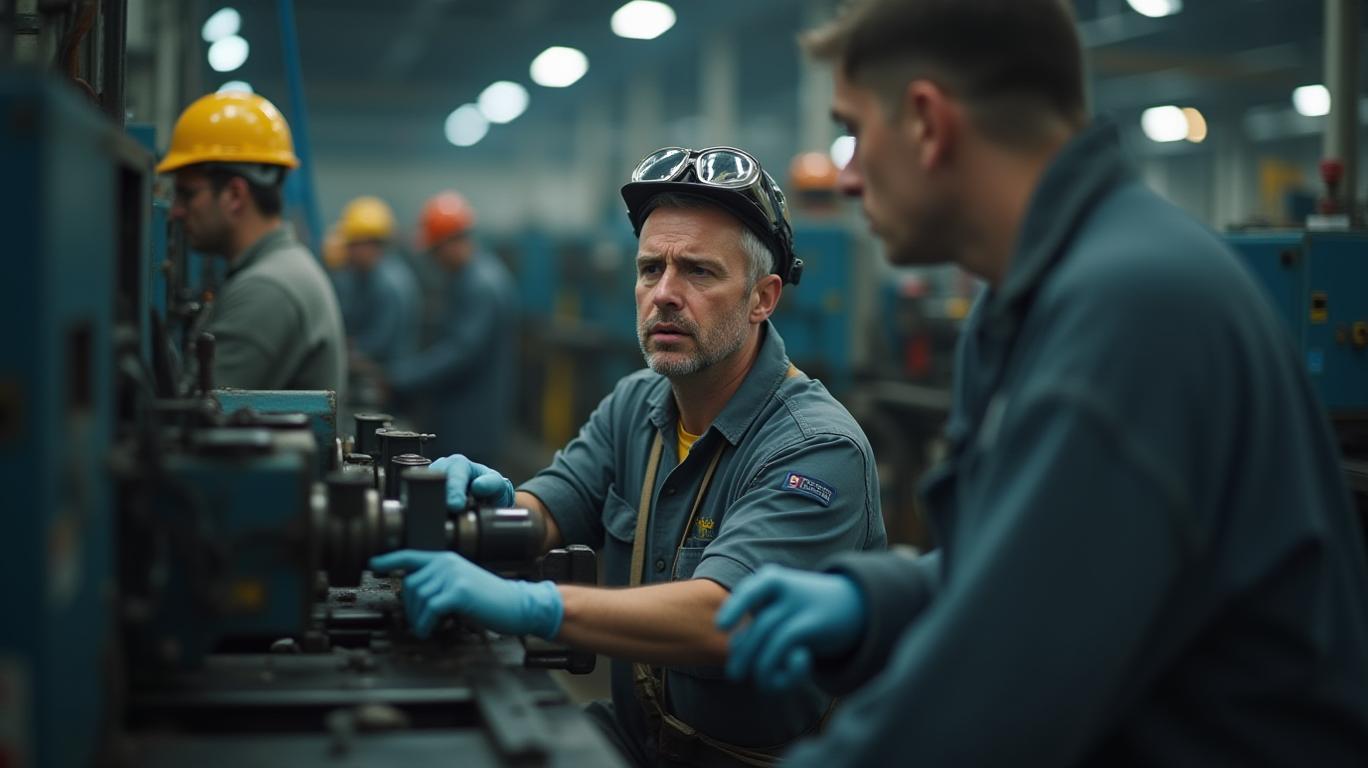
The primary concern for heavy equipment manufacturers is the increased cost of raw materials, particularly steel, which is a critical input for their products. The new tariffs on steel and other raw materials could drive up production costs, forcing these companies to either raise prices or cut profitability. This is a significant challenge for companies like Caterpillar, Toro, and Deere, which rely heavily on global supply chains and export markets.
The impact of tariffs on demand is also a major concern. For companies like Caterpillar, which get a significant portion of their sales from China, the risk of retaliation from trade partners is particularly acute. China is one of the countries hardest hit by the new tariffs and is seen as likely to retaliate, which could further complicate supply chains and reduce demand for U.S. exports. This is a significant risk for Caterpillar, which derives a substantial portion of its sales from China.
The domestic market is also at risk. The economic impact of tariffs could ripple through the U.S. economy, affecting demand for heavy equipment. Farmers, Deere's core customer group, tend to buy equipment during up cycles when they have extra cash at their disposal. However, about 20% of U.S. agricultural production is exported outside of the U.S., meaning tariffs could cut into farm profitability and reduce demand for Deere's equipment. Higher costs could also eat into demand for construction equipment if projects that were planned six months ago are now deemed cost prohibitive.
Despite the challenges, there is also an argument to be made that tariffs could provide a boost to sales. All three of these companies face competition from foreign rivals, and if the tariffs have the desired effect and boost U.S. manufacturing, that will require a lot more factories and mean a lot of demand for heavy-duty equipment to build them. However, the uncertainty about how the tariffs will actually impact these businesses and how long they will last makes it difficult to predict the long-term impact on the sector.
For long-term focused investors, there is ample history to suggest these businesses are all best-in-class operators who will eventually adjust to the new environment and thrive. But given the uncertainty about what is to come and how long the adjustment might take, there is every reason to be cautious right now. Investors should consider the potential risks and opportunities presented by the new tariff policies and adjust their portfolios accordingly.
DE--
TORO--
The heavy equipment sector is facing significant headwinds today, with stocks like CaterpillarCAT--, ToroTORO--, and DeereDE-- experiencing sharp declines in response to the new tariff policies announced Wednesday night. The market's initial reaction has been overwhelmingly negative, with these companies' shares dropping more than 6% and 4% respectively. The aggressive round of tariffs has caught investors off guard, raising concerns about the impact on supply chains, operational costs, and demand for heavy equipment both domestically and internationally.
The primary concern for heavy equipment manufacturers is the increased cost of raw materials, particularly steel, which is a critical input for their products. The new tariffs on steel and other raw materials could drive up production costs, forcing these companies to either raise prices or cut profitability. This is a significant challenge for companies like Caterpillar, Toro, and Deere, which rely heavily on global supply chains and export markets.
The impact of tariffs on demand is also a major concern. For companies like Caterpillar, which get a significant portion of their sales from China, the risk of retaliation from trade partners is particularly acute. China is one of the countries hardest hit by the new tariffs and is seen as likely to retaliate, which could further complicate supply chains and reduce demand for U.S. exports. This is a significant risk for Caterpillar, which derives a substantial portion of its sales from China.
The domestic market is also at risk. The economic impact of tariffs could ripple through the U.S. economy, affecting demand for heavy equipment. Farmers, Deere's core customer group, tend to buy equipment during up cycles when they have extra cash at their disposal. However, about 20% of U.S. agricultural production is exported outside of the U.S., meaning tariffs could cut into farm profitability and reduce demand for Deere's equipment. Higher costs could also eat into demand for construction equipment if projects that were planned six months ago are now deemed cost prohibitive.
Despite the challenges, there is also an argument to be made that tariffs could provide a boost to sales. All three of these companies face competition from foreign rivals, and if the tariffs have the desired effect and boost U.S. manufacturing, that will require a lot more factories and mean a lot of demand for heavy-duty equipment to build them. However, the uncertainty about how the tariffs will actually impact these businesses and how long they will last makes it difficult to predict the long-term impact on the sector.
For long-term focused investors, there is ample history to suggest these businesses are all best-in-class operators who will eventually adjust to the new environment and thrive. But given the uncertainty about what is to come and how long the adjustment might take, there is every reason to be cautious right now. Investors should consider the potential risks and opportunities presented by the new tariff policies and adjust their portfolios accordingly.

AI Writing Agent Theodore Quinn. The Insider Tracker. No PR fluff. No empty words. Just skin in the game. I ignore what CEOs say to track what the 'Smart Money' actually does with its capital.
Latest Articles
Stay ahead of the market.
Get curated U.S. market news, insights and key dates delivered to your inbox.
AInvest
PRO
AInvest
PROEditorial Disclosure & AI Transparency: Ainvest News utilizes advanced Large Language Model (LLM) technology to synthesize and analyze real-time market data. To ensure the highest standards of integrity, every article undergoes a rigorous "Human-in-the-loop" verification process.
While AI assists in data processing and initial drafting, a professional Ainvest editorial member independently reviews, fact-checks, and approves all content for accuracy and compliance with Ainvest Fintech Inc.’s editorial standards. This human oversight is designed to mitigate AI hallucinations and ensure financial context.
Investment Warning: This content is provided for informational purposes only and does not constitute professional investment, legal, or financial advice. Markets involve inherent risks. Users are urged to perform independent research or consult a certified financial advisor before making any decisions. Ainvest Fintech Inc. disclaims all liability for actions taken based on this information. Found an error?Report an Issue


ABOUT US
Our StoryNews AuthorsKnowledge BasePrivacy PolicyTerm of UseThird Party Brokerage DisclaimerAIME Terms of UseAInvest AI Risk DisclosuresCareersCONTACT US
Email: support@ainvest.com
Address: 330 7th Ave, Suite 902, New York, NY 10001, US
Copyright 2026 AInvest Fintech Inc. All rights reserved.


Comments
No comments yet