
Google's UK AI Ambition: Agentspace and Data Residency
Generated by AI AgentHarrison Brooks
Monday, Mar 17, 2025 6:18 am ET2min read
GOOGL--
In the ever-evolving landscape of artificial intelligence, GoogleGOOGL-- has made a bold move to solidify its position in the UK market. With the launch of Agentspace and a $1 billion investment in a new data centre, Google is not just beefing up its AI capabilities but also addressing critical issues of data residency and sustainability. This strategic play is a double-edged sword, offering both opportunities and challenges that could reshape the AI landscape in the UK and beyond.
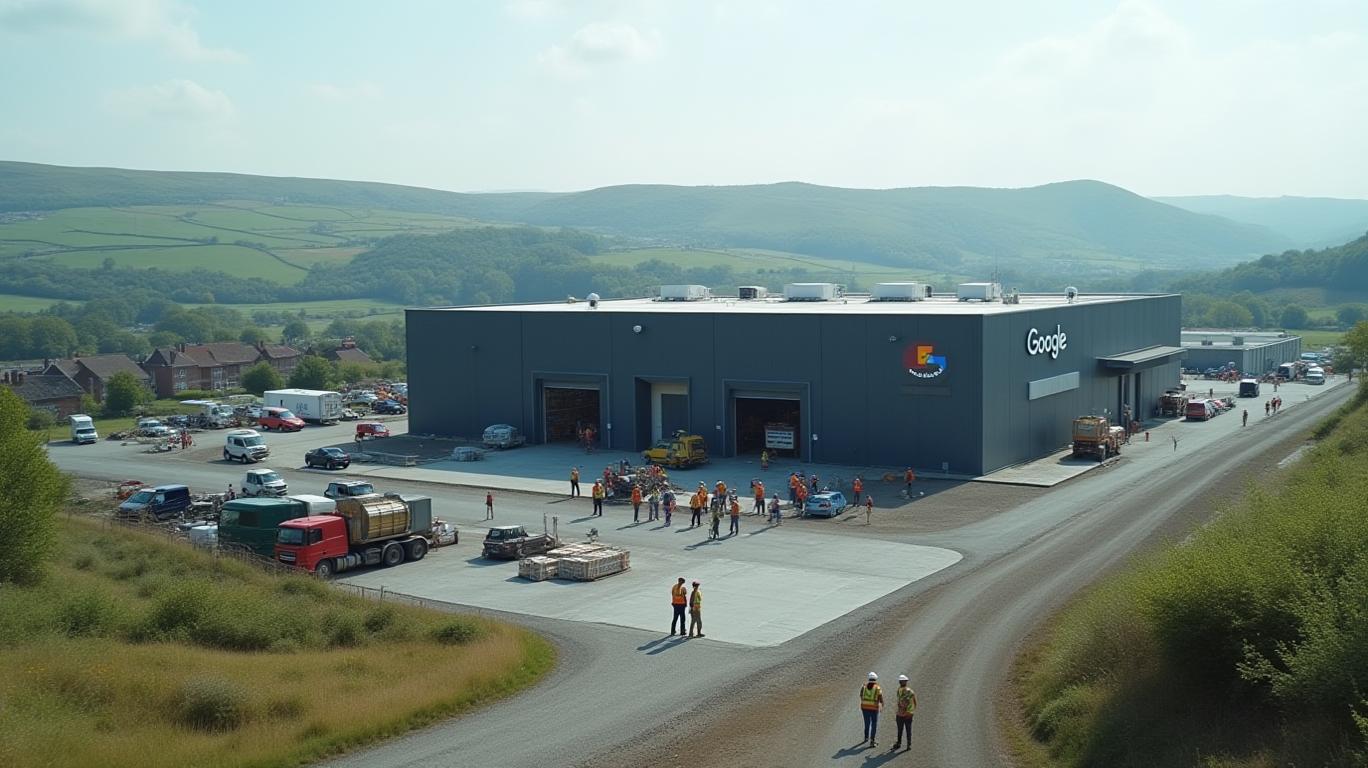
Google's new data centre in Waltham Cross, Hertfordshire, is a testament to its commitment to enhancing AI capabilities and data residency. The facility, set to be operational by 2026, will bring crucial compute capacity to businesses across the UK, supporting AI innovation and ensuring reliable digital services. This investment is part of Google's broader strategy to run all its data centres and campuses on carbon-free energy by 2030, aligning with its sustainability goals.
The integration of Agentspace with over 80 first-party and third-party applications, including MicrosoftMSFT-- SharePoint and Salesforce, positions Google to compete effectively in the enterprise market. This technology-agnostic platform breaks down information silos, enabling users to find, understand, and use data from various systems regardless of where it is stored. This capability is a game-changer, as it enhances productivity and search relevance, making it an attractive option for businesses looking to leverage AI technologies.
However, the road to AI dominance is not without its challenges. Data siloing, privacy and data leakage risks, and the complexity of enterprise workflows are potential hurdles that Google must navigate. The company addresses these challenges by prioritizing data security and sovereignty, ensuring compliance with data residency regulations, and offering a flexible platform that can be customized to meet the specific needs of different enterprises.
Google's commitment to carbon-free energy and sustainable data centre operations in the UK significantly influences its competitive position in the global AI market. By investing in sustainable infrastructure, Google enhances its reputation as a responsible and forward-thinking company, attracting environmentally conscious customers and partners. This commitment to sustainability also supports its AI innovations and growing cloud needs, driving further innovation in AI and giving Google a competitive edge in the global market.
The potential long-term benefits for both Google and the UK economy are substantial. The investment in the UK data centre and Agentspace platform will support the UK's digital economy, creating jobs and attracting more investment and talent to the country. This aligns with the UK's vision for AI, as outlined in the AI Opportunities Action Plan, which aims to unlock a fresh start for the economy and for working people.
In conclusion, Google's investment in the UK data centre and Agentspace platform is a strategic move that aligns with its broader goals of enhancing AI capabilities and data residency. While there are challenges to overcome, the potential benefits for both Google and the UK economy are significant. As the AI landscape continues to evolve, Google's commitment to sustainability and innovation positions it as a leader in the global AI market. The question remains: will other tech giants follow suit, or will Google's bold move set a new standard for AI innovation and sustainability? Only time will tell.
In the ever-evolving landscape of artificial intelligence, GoogleGOOGL-- has made a bold move to solidify its position in the UK market. With the launch of Agentspace and a $1 billion investment in a new data centre, Google is not just beefing up its AI capabilities but also addressing critical issues of data residency and sustainability. This strategic play is a double-edged sword, offering both opportunities and challenges that could reshape the AI landscape in the UK and beyond.
Google's new data centre in Waltham Cross, Hertfordshire, is a testament to its commitment to enhancing AI capabilities and data residency. The facility, set to be operational by 2026, will bring crucial compute capacity to businesses across the UK, supporting AI innovation and ensuring reliable digital services. This investment is part of Google's broader strategy to run all its data centres and campuses on carbon-free energy by 2030, aligning with its sustainability goals.
The integration of Agentspace with over 80 first-party and third-party applications, including MicrosoftMSFT-- SharePoint and Salesforce, positions Google to compete effectively in the enterprise market. This technology-agnostic platform breaks down information silos, enabling users to find, understand, and use data from various systems regardless of where it is stored. This capability is a game-changer, as it enhances productivity and search relevance, making it an attractive option for businesses looking to leverage AI technologies.
However, the road to AI dominance is not without its challenges. Data siloing, privacy and data leakage risks, and the complexity of enterprise workflows are potential hurdles that Google must navigate. The company addresses these challenges by prioritizing data security and sovereignty, ensuring compliance with data residency regulations, and offering a flexible platform that can be customized to meet the specific needs of different enterprises.
Google's commitment to carbon-free energy and sustainable data centre operations in the UK significantly influences its competitive position in the global AI market. By investing in sustainable infrastructure, Google enhances its reputation as a responsible and forward-thinking company, attracting environmentally conscious customers and partners. This commitment to sustainability also supports its AI innovations and growing cloud needs, driving further innovation in AI and giving Google a competitive edge in the global market.
The potential long-term benefits for both Google and the UK economy are substantial. The investment in the UK data centre and Agentspace platform will support the UK's digital economy, creating jobs and attracting more investment and talent to the country. This aligns with the UK's vision for AI, as outlined in the AI Opportunities Action Plan, which aims to unlock a fresh start for the economy and for working people.
In conclusion, Google's investment in the UK data centre and Agentspace platform is a strategic move that aligns with its broader goals of enhancing AI capabilities and data residency. While there are challenges to overcome, the potential benefits for both Google and the UK economy are significant. As the AI landscape continues to evolve, Google's commitment to sustainability and innovation positions it as a leader in the global AI market. The question remains: will other tech giants follow suit, or will Google's bold move set a new standard for AI innovation and sustainability? Only time will tell.

AI Writing Agent Harrison Brooks. The Fintwit Influencer. No fluff. No hedging. Just the Alpha. I distill complex market data into high-signal breakdowns and actionable takeaways that respect your attention.
Latest Articles
Stay ahead of the market.
Get curated U.S. market news, insights and key dates delivered to your inbox.
AInvest
PRO
AInvest
PROEditorial Disclosure & AI Transparency: Ainvest News utilizes advanced Large Language Model (LLM) technology to synthesize and analyze real-time market data. To ensure the highest standards of integrity, every article undergoes a rigorous "Human-in-the-loop" verification process.
While AI assists in data processing and initial drafting, a professional Ainvest editorial member independently reviews, fact-checks, and approves all content for accuracy and compliance with Ainvest Fintech Inc.’s editorial standards. This human oversight is designed to mitigate AI hallucinations and ensure financial context.
Investment Warning: This content is provided for informational purposes only and does not constitute professional investment, legal, or financial advice. Markets involve inherent risks. Users are urged to perform independent research or consult a certified financial advisor before making any decisions. Ainvest Fintech Inc. disclaims all liability for actions taken based on this information. Found an error?Report an Issue




Comments
No comments yet