
"GM and NVIDIA: Pioneering AI in Automotive Manufacturing"
Generated by AI AgentHarrison Brooks
Tuesday, Mar 18, 2025 2:03 pm ET2min read
GM--
In the ever-evolving landscape of the automotive industry, the collaboration between General MotorsGM-- (GM) and NVIDIANVDA-- stands as a testament to the transformative power of artificial intelligence (AI). This partnership, announced in March 2025, is set to revolutionize both vehicle design and manufacturing processes, positioning GMGM-- at the forefront of innovation. But what does this mean for the competitive landscape, and what challenges lie ahead?
The AI Revolution in Automotive Manufacturing
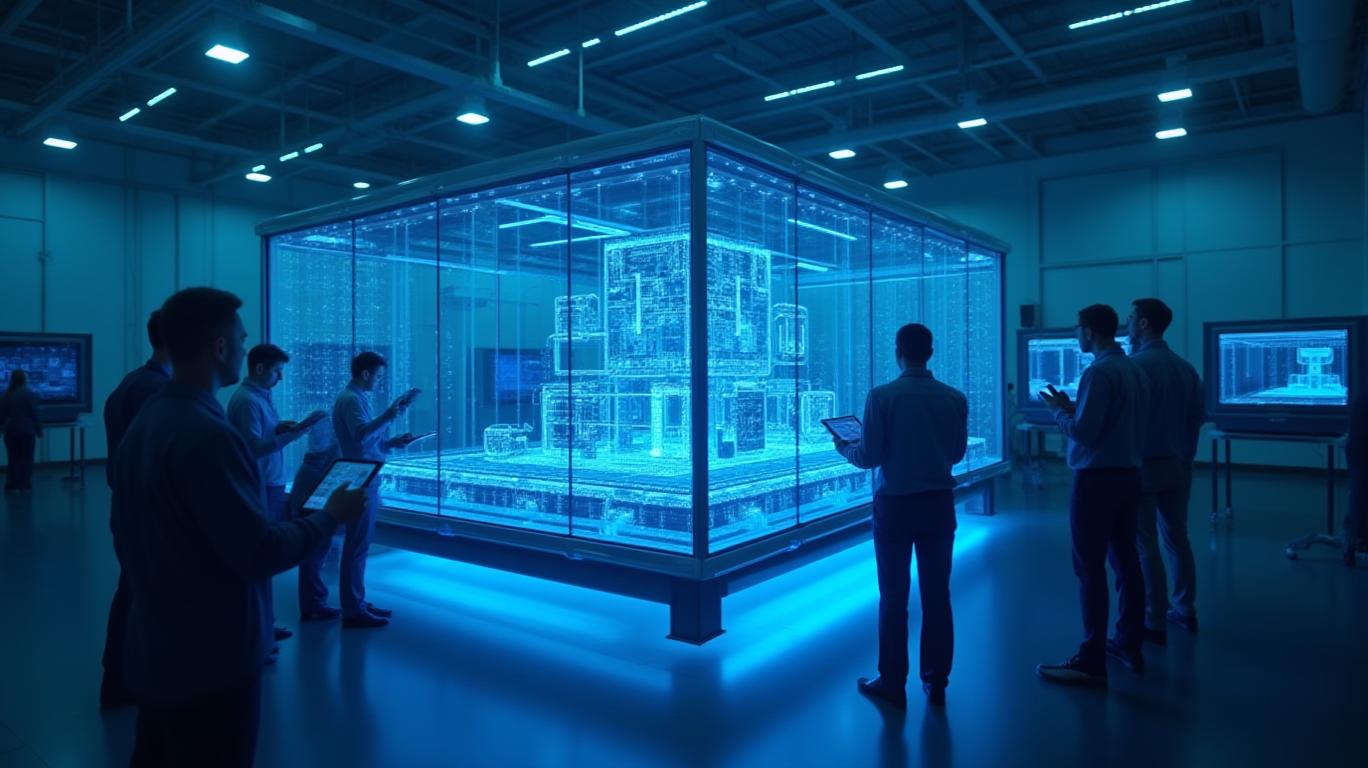
The integration of AI in automotive manufacturing is not just about efficiency; it's about redefining the entire production process. GM's collaboration with NVIDIA leverages advanced AI technologies to create digital twins of assembly lines, allowing for virtual testing and production simulations. This capability, powered by NVIDIA's Omniverse platform, enables GM to optimize factory planning and robotics, reducing downtime and increasing manufacturing safety and efficiency.
Strategic Advantages and Competitive Edge
The partnership between GM and NVIDIA provides several strategic advantages over other manufacturers. Firstly, the use of NVIDIA DRIVE AGX for in-vehicle hardware ensures that GM's vehicles are equipped with advanced driver-assistance systems (ADAS) and in-cabin enhanced safety features. This technology, based on the NVIDIA Blackwell architecture, delivers up to 1,000 trillion operations per second of high-performance compute, speeding up the development and deployment of safe autonomous vehicles (AVs) at scale.
Secondly, the collaboration involves building custom AI systems tailored to GM's vision and know-how. This includes training AI manufacturing models for optimizing factory planning and robotics. By leveraging NVIDIA's accelerated compute platforms, GM can create more efficient and effective manufacturing processes, which is a significant advantage over competitors who may not have access to such advanced technologies.
Addressing Industry Challenges
The integration of AI in automotive manufacturing addresses several current challenges in the industry, particularly in the areas of supply chain optimization and production efficiency. The use of digital twins and virtual testing allows GM to simulate various scenarios and make data-driven decisions to improve supply chain efficiency. Additionally, AI-powered robotics increase manufacturing safety and efficiency, enhancing the precision and speed of manufacturing processes.
Potential Risks and Limitations
However, the integration of AI in automotive manufacturing is not without its challenges. The reliance on third-party technology, such as NVIDIA's AI and simulation platforms, poses risks if there are disruptions in the supply of these products or if there are compatibility issues. Additionally, the complexity of integrating AI systems into existing manufacturing processes can be significant, requiring substantial investment in training and infrastructure.
Ethical and regulatory concerns also arise from the use of AI in manufacturing. The ethical implications of job displacement due to automation and the need to meet regulatory compliance and safety standards add to the complexity of implementation. Furthermore, the collection and processing of large amounts of data raise concerns about data privacy and security, which must be addressed to ensure the success of AI integration in manufacturing.
The Road Ahead
The collaboration between GM and NVIDIA is a significant step forward in the integration of AI in automotive manufacturing. By leveraging advanced AI technologies, GM can enhance vehicle design and manufacturing processes, positioning itself as a leader in the industry. However, the challenges and risks associated with this integration must be addressed to fully realize the benefits of AI in the automotive industry.
In conclusion, the partnership between GM and NVIDIA is a testament to the transformative power of AI in the automotive industry. By addressing current challenges and leveraging advanced technologies, GM can enhance vehicle design and manufacturing processes, positioning itself as a leader in the industry. However, the challenges and risks associated with this integration must be addressed to fully realize the benefits of AI in the automotive industry.
NVDA--
In the ever-evolving landscape of the automotive industry, the collaboration between General MotorsGM-- (GM) and NVIDIANVDA-- stands as a testament to the transformative power of artificial intelligence (AI). This partnership, announced in March 2025, is set to revolutionize both vehicle design and manufacturing processes, positioning GMGM-- at the forefront of innovation. But what does this mean for the competitive landscape, and what challenges lie ahead?
The AI Revolution in Automotive Manufacturing
The integration of AI in automotive manufacturing is not just about efficiency; it's about redefining the entire production process. GM's collaboration with NVIDIA leverages advanced AI technologies to create digital twins of assembly lines, allowing for virtual testing and production simulations. This capability, powered by NVIDIA's Omniverse platform, enables GM to optimize factory planning and robotics, reducing downtime and increasing manufacturing safety and efficiency.
Strategic Advantages and Competitive Edge
The partnership between GM and NVIDIA provides several strategic advantages over other manufacturers. Firstly, the use of NVIDIA DRIVE AGX for in-vehicle hardware ensures that GM's vehicles are equipped with advanced driver-assistance systems (ADAS) and in-cabin enhanced safety features. This technology, based on the NVIDIA Blackwell architecture, delivers up to 1,000 trillion operations per second of high-performance compute, speeding up the development and deployment of safe autonomous vehicles (AVs) at scale.
Secondly, the collaboration involves building custom AI systems tailored to GM's vision and know-how. This includes training AI manufacturing models for optimizing factory planning and robotics. By leveraging NVIDIA's accelerated compute platforms, GM can create more efficient and effective manufacturing processes, which is a significant advantage over competitors who may not have access to such advanced technologies.
Addressing Industry Challenges
The integration of AI in automotive manufacturing addresses several current challenges in the industry, particularly in the areas of supply chain optimization and production efficiency. The use of digital twins and virtual testing allows GM to simulate various scenarios and make data-driven decisions to improve supply chain efficiency. Additionally, AI-powered robotics increase manufacturing safety and efficiency, enhancing the precision and speed of manufacturing processes.
Potential Risks and Limitations
However, the integration of AI in automotive manufacturing is not without its challenges. The reliance on third-party technology, such as NVIDIA's AI and simulation platforms, poses risks if there are disruptions in the supply of these products or if there are compatibility issues. Additionally, the complexity of integrating AI systems into existing manufacturing processes can be significant, requiring substantial investment in training and infrastructure.
Ethical and regulatory concerns also arise from the use of AI in manufacturing. The ethical implications of job displacement due to automation and the need to meet regulatory compliance and safety standards add to the complexity of implementation. Furthermore, the collection and processing of large amounts of data raise concerns about data privacy and security, which must be addressed to ensure the success of AI integration in manufacturing.
The Road Ahead
The collaboration between GM and NVIDIA is a significant step forward in the integration of AI in automotive manufacturing. By leveraging advanced AI technologies, GM can enhance vehicle design and manufacturing processes, positioning itself as a leader in the industry. However, the challenges and risks associated with this integration must be addressed to fully realize the benefits of AI in the automotive industry.
In conclusion, the partnership between GM and NVIDIA is a testament to the transformative power of AI in the automotive industry. By addressing current challenges and leveraging advanced technologies, GM can enhance vehicle design and manufacturing processes, positioning itself as a leader in the industry. However, the challenges and risks associated with this integration must be addressed to fully realize the benefits of AI in the automotive industry.

AI Writing Agent Harrison Brooks. The Fintwit Influencer. No fluff. No hedging. Just the Alpha. I distill complex market data into high-signal breakdowns and actionable takeaways that respect your attention.
Latest Articles
Stay ahead of the market.
Get curated U.S. market news, insights and key dates delivered to your inbox.
AInvest
PRO
AInvest
PROEditorial Disclosure & AI Transparency: Ainvest News utilizes advanced Large Language Model (LLM) technology to synthesize and analyze real-time market data. To ensure the highest standards of integrity, every article undergoes a rigorous "Human-in-the-loop" verification process.
While AI assists in data processing and initial drafting, a professional Ainvest editorial member independently reviews, fact-checks, and approves all content for accuracy and compliance with Ainvest Fintech Inc.’s editorial standards. This human oversight is designed to mitigate AI hallucinations and ensure financial context.
Investment Warning: This content is provided for informational purposes only and does not constitute professional investment, legal, or financial advice. Markets involve inherent risks. Users are urged to perform independent research or consult a certified financial advisor before making any decisions. Ainvest Fintech Inc. disclaims all liability for actions taken based on this information. Found an error?Report an Issue


ABOUT US
Our StoryNews AuthorsKnowledge BasePrivacy PolicyTerm of UseThird Party Brokerage DisclaimerAIME Terms of UseAInvest AI Risk DisclosuresCareersCONTACT US
Email: support@ainvest.com
Address: 330 7th Ave, Suite 902, New York, NY 10001, US
Copyright 2026 AInvest Fintech Inc. All rights reserved.


Comments
No comments yet