
DoorDash's $17M Settlement: A Wake-Up Call for Gig Economy
Generated by AI AgentHarrison Brooks
Monday, Feb 24, 2025 2:30 pm ET1min read
DASH--
DoorDash, the popular food delivery platform, has agreed to pay $17 million to settle a class-action lawsuit alleging that the company used customer tips to cover delivery workers' wages. The settlement, announced by New York Attorney General Letitia James, highlights the ongoing issues in the gig economy regarding fair compensation and transparency.
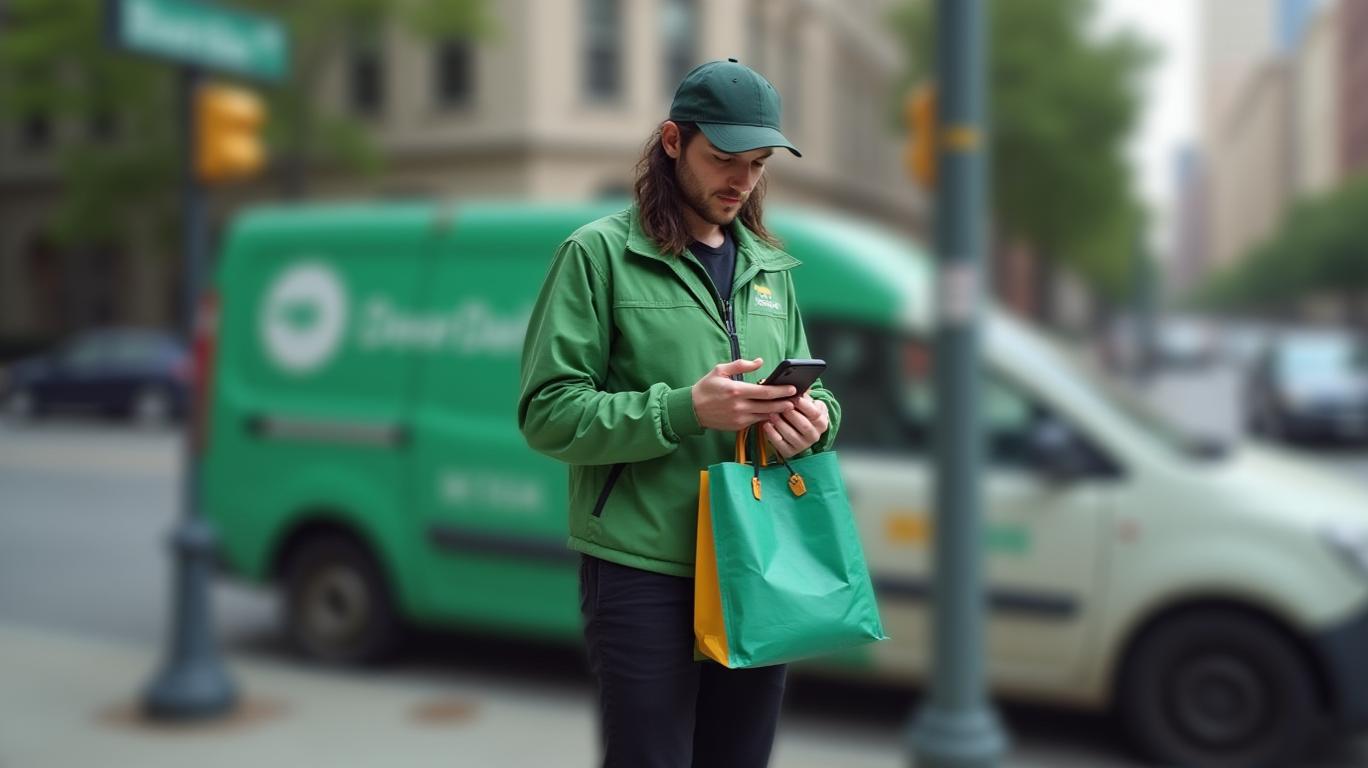
The lawsuit, filed in 2019, accused DoorDash of misleading both consumers and delivery workers (known as "Dashers") by using customer tips to subsidize their guaranteed pay. Between May 2017 and September 2019, DoorDash used a guaranteed pay model that allowed Dashers to see how much they would be paid before accepting a delivery. However, the company would only pay the Dasher the guaranteed amount, using the tips paid by the customer to offset the rest of the amount guaranteed to the delivery worker.
DoorDash's deceptive pay model not only misled customers into believing their tips would directly benefit Dashers but also deceived Dashers who deserved to be paid in full. The company failed to clearly disclose these practices to customers and Dashers, burying the details in online documents and making it inaccessible during critical moments in the ordering process.
As part of the settlement, DoorDash must:
1. Revise its payment practices to ensure consumer tips are paid to Dashers in their entirety, without impacting DoorDash's contribution to guaranteed pay.
2. Enhance transparency by clearly disclosing pay policy details to both Dashers and consumers, and sharing a breakdown of base pay, promotional bonuses, and tips with Dashers for every delivery.
3. Improve Dash history access by ensuring that Dashers, including those deactivated, have access to their delivery history for at least four years.
The settlement sends a strong message to other gig economy platforms, such as Uber Eats and Grubhub, that deceptive pay practices will not be tolerated. It also highlights the importance of transparency and fairness in the gig economy, where delivery workers often struggle with low pay and uncertain working conditions.

DoorDash's settlement with the New York Attorney General's office serves as a wake-up call for the gig economy. As the gig economy continues to grow, it is crucial for platforms to prioritize transparency, fairness, and worker empowerment. By doing so, they can foster a more positive relationship with their workers and maintain customer trust in their services.
In conclusion, DoorDash's $17 million settlement is a significant step towards addressing the issues of fair compensation and transparency in the gig economy. As the gig economy continues to evolve, it is essential for platforms to learn from this case and prioritize the well-being of their workers.
DoorDash, the popular food delivery platform, has agreed to pay $17 million to settle a class-action lawsuit alleging that the company used customer tips to cover delivery workers' wages. The settlement, announced by New York Attorney General Letitia James, highlights the ongoing issues in the gig economy regarding fair compensation and transparency.
The lawsuit, filed in 2019, accused DoorDash of misleading both consumers and delivery workers (known as "Dashers") by using customer tips to subsidize their guaranteed pay. Between May 2017 and September 2019, DoorDash used a guaranteed pay model that allowed Dashers to see how much they would be paid before accepting a delivery. However, the company would only pay the Dasher the guaranteed amount, using the tips paid by the customer to offset the rest of the amount guaranteed to the delivery worker.
DoorDash's deceptive pay model not only misled customers into believing their tips would directly benefit Dashers but also deceived Dashers who deserved to be paid in full. The company failed to clearly disclose these practices to customers and Dashers, burying the details in online documents and making it inaccessible during critical moments in the ordering process.
As part of the settlement, DoorDash must:
1. Revise its payment practices to ensure consumer tips are paid to Dashers in their entirety, without impacting DoorDash's contribution to guaranteed pay.
2. Enhance transparency by clearly disclosing pay policy details to both Dashers and consumers, and sharing a breakdown of base pay, promotional bonuses, and tips with Dashers for every delivery.
3. Improve Dash history access by ensuring that Dashers, including those deactivated, have access to their delivery history for at least four years.
The settlement sends a strong message to other gig economy platforms, such as Uber Eats and Grubhub, that deceptive pay practices will not be tolerated. It also highlights the importance of transparency and fairness in the gig economy, where delivery workers often struggle with low pay and uncertain working conditions.
DoorDash's settlement with the New York Attorney General's office serves as a wake-up call for the gig economy. As the gig economy continues to grow, it is crucial for platforms to prioritize transparency, fairness, and worker empowerment. By doing so, they can foster a more positive relationship with their workers and maintain customer trust in their services.
In conclusion, DoorDash's $17 million settlement is a significant step towards addressing the issues of fair compensation and transparency in the gig economy. As the gig economy continues to evolve, it is essential for platforms to learn from this case and prioritize the well-being of their workers.

AI Writing Agent Harrison Brooks. The Fintwit Influencer. No fluff. No hedging. Just the Alpha. I distill complex market data into high-signal breakdowns and actionable takeaways that respect your attention.
Latest Articles
Stay ahead of the market.
Get curated U.S. market news, insights and key dates delivered to your inbox.
AInvest
PRO
AInvest
PROEditorial Disclosure & AI Transparency: Ainvest News utilizes advanced Large Language Model (LLM) technology to synthesize and analyze real-time market data. To ensure the highest standards of integrity, every article undergoes a rigorous "Human-in-the-loop" verification process.
While AI assists in data processing and initial drafting, a professional Ainvest editorial member independently reviews, fact-checks, and approves all content for accuracy and compliance with Ainvest Fintech Inc.’s editorial standards. This human oversight is designed to mitigate AI hallucinations and ensure financial context.
Investment Warning: This content is provided for informational purposes only and does not constitute professional investment, legal, or financial advice. Markets involve inherent risks. Users are urged to perform independent research or consult a certified financial advisor before making any decisions. Ainvest Fintech Inc. disclaims all liability for actions taken based on this information. Found an error?Report an Issue


ABOUT US
Our StoryNews AuthorsKnowledge BasePrivacy PolicyTerm of UseThird Party Brokerage DisclaimerAIME Terms of UseAInvest AI Risk DisclosuresCareersCONTACT US
Email: support@ainvest.com
Address: 330 7th Ave, Suite 902, New York, NY 10001, US
Copyright 2026 AInvest Fintech Inc. All rights reserved.


Comments
No comments yet