
CVS Health Gains Momentum After Q4 Performance, Analyst Upgrades Stock
Generated by AI AgentMarcus Lee
Thursday, Feb 13, 2025 3:05 pm ET5min read
CVS--
CVS Health Corp. (CVS) shares climbed the most in more than 25 years after its fourth-quarter results signaled improved performance from the company whose insurance and drugstore units have been struggling. Lower-than-expected costs in the Aetna insurance unit helped drive CVS’ profit above estimates, as the company spent a smaller percentage of premium revenue on medical expenses than analysts expected. The company had also already accounted for some anticipated fourth-quarter losses in the third quarter.
Adjusted earnings for the quarter were $1.19 a share, the company said Wednesday in a statement, outpacing analysts’ average estimate of 92 cents. The shares rose as much as 15% when markets opened Wednesday in New York, their biggest daily gain since October 1999.
CVS is trying to turn around its drugstore chain and insurance business, where profit has been hit by underpricing of plans and cuts to quality ratings that help determine payments from U.S. health programs. Chief Executive David Joyner, who took the helm in October, has said that a recovery will take years. The effort by CVS to steady itself is part of broader industry headwinds that have buffeted competitors as well, including Rite Aid and Walgreens. On the retail side, chain pharmacies are facing heavy competition from giants such as Amazon and Walmart, a drop in consumer spending and an increase in theft that can eat into profits, analysts said. On the pharmaceutical side, they’re seeing lower margins because of lower reimbursement rates for the drugs they provide to customers.
The company is “encouraged” by recent conversations with the government about payment rates for Medicare Advantage, a private version of the U.S. health program for older and disabled people, Joyner said on a conference call. Rates proposed by the government didn’t take into account increased healthcare use and costs, he said.
The company is also being pushed for change by activist investor Glenview Capital Management. Its CEO, Larry Robbins, one of four new members who have joined CVS’ board, has said that the company should bring down debt.
In the insurance unit, CVS spent 94.8% of premium revenue on medical care in the quarter, less than analysts expected. Investors prefer a lower number. However, CVS said in a separate filing that high use of medical services will continue to pressure the business.
The company pointed in particular to high costs in its business that manages care for patients on Medicaid, the U.S. health program for the poor. States have been cutting Medicaid rolls since the pandemic, often culling healthier patients in the program while sicker patients remain.
Revenue in all major divisions — insurance, drugstores and health services — was ahead of Wall Street expectations, as was overall quarterly revenue of $97.7 billion. Adjusted earnings for 2025 will be $5.75 to $6 a share, CVS said, while the average estimate of analysts surveyed by Bloomberg was $6. CVS called the guidance an “appropriately achievable baseline” with “opportunities for outperformance.”
Investors had expected the 2025 profit outlook to come “comfortably below” analyst estimates, so CVS’ expectation “looks fine,” Leerink Partners analyst Michael Cherny wrote in a note to clients.
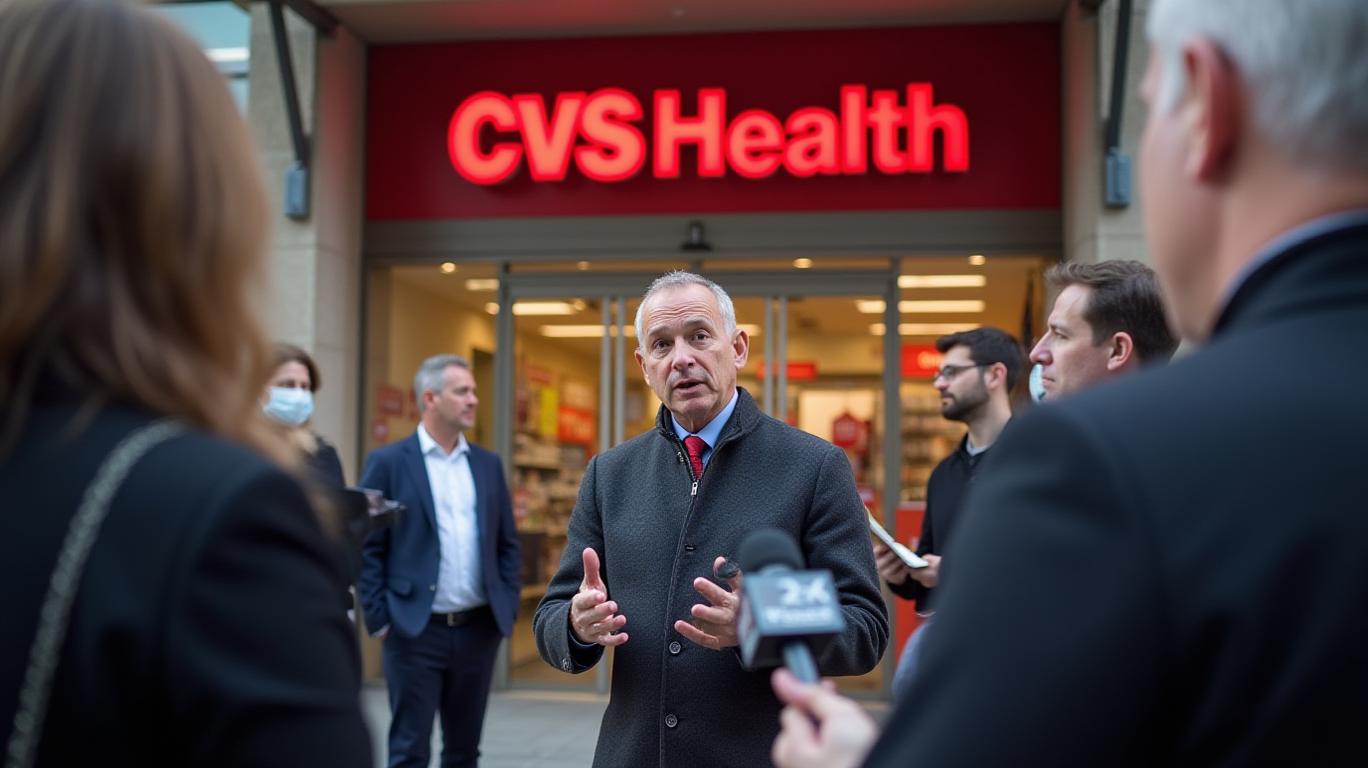
CVS Health Corp. shares climbed the most in more than 25 years after its fourth-quarter results signaled improved performance from the company whose insurance and drugstore units have been struggling. Lower-than-expected costs in the Aetna insurance unit helped drive CVS’ profit above estimates, as the company spent a smaller percentage of premium revenue on medical expenses than analysts expected. The company had also already accounted for some anticipated fourth-quarter losses in the third quarter.
Adjusted earnings for the quarter were $1.19 a share, the company said Wednesday in a statement, outpacing analysts’ average estimate of 92 cents. The shares rose as much as 15% when markets opened Wednesday in New York, their biggest daily gain since October 1999.
CVS is trying to turn around its drugstore chain and insurance business, where profit has been hit by underpricing of plans and cuts to quality ratings that help determine payments from U.S. health programs. Chief Executive David Joyner, who took the helm in October, has said that a recovery will take years. The effort by CVS to steady itself is part of broader industry headwinds that have buffeted competitors as well, including Rite Aid and Walgreens. On the retail side, chain pharmacies are facing heavy competition from giants such as Amazon and Walmart, a drop in consumer spending and an increase in theft that can eat into profits, analysts said. On the pharmaceutical side, they’re seeing lower margins because of lower reimbursement rates for the drugs they provide to customers.
The company is “encouraged” by recent conversations with the government about payment rates for Medicare Advantage, a private version of the U.S. health program for older and disabled people, Joyner said on a conference call. Rates proposed by the government didn’t take into account increased healthcare use and costs, he said.
The company is also being pushed for change by activist investor Glenview Capital Management. Its CEO, Larry Robbins, one of four new members who have joined CVS’ board, has said that the company should bring down debt.
In the insurance unit, CVS spent 94.8% of premium revenue on medical care in the quarter, less than analysts expected. Investors prefer a lower number. However, CVS said in a separate filing that high use of medical services will continue to pressure the business.
The company pointed in particular to high costs in its business that manages care for patients on Medicaid, the U.S. health program for the poor. States have been cutting Medicaid rolls since the pandemic, often culling healthier patients in the program while sicker patients remain.
Revenue in all major divisions — insurance, drugstores and health services — was ahead of Wall Street expectations, as was overall quarterly revenue of $97.7 billion. Adjusted earnings for 2025 will be $5.75 to $6 a share, CVS said, while the average estimate of analysts surveyed by Bloomberg was $6. CVS called the guidance an “appropriately achievable baseline” with “opportunities for outperformance.”
Investors had expected the 2025 profit outlook to come “comfortably below” analyst estimates, so CVS’ expectation “looks fine,” Leerink Partners analyst Michael Cherny wrote in a note to clients.
CVS Health Corp. shares climbed the most in more than 25 years after its fourth-quarter results signaled improved performance from the company whose insurance and drugstore units have been struggling. Lower-than-expected costs in the Aetna insurance unit helped drive CVS’ profit above estimates, as the company spent a smaller percentage of premium revenue on medical expenses than analysts expected. The company had also already accounted for some anticipated fourth-quarter losses in the third quarter.
Adjusted earnings for the quarter were $1.19 a share, the company said Wednesday in a statement, outpacing analysts’ average estimate of 92 cents. The shares rose as much as 15% when markets opened Wednesday in New York, their biggest daily gain since October 1999.
CVS is trying to turn around its drugstore chain and insurance business, where profit has been hit by underpricing of plans and cuts to quality ratings that help determine payments from U.S. health programs. Chief Executive David Joyner, who took the helm in October, has said that a recovery will take years. The effort by CVS to steady itself is part of broader industry headwinds that have buffeted competitors as well, including Rite Aid and Walgreens. On the retail side, chain pharmacies are facing heavy competition from giants such as Amazon and Walmart, a drop in consumer spending and an increase in theft that can eat into profits, analysts said. On the pharmaceutical side, they’re seeing lower margins because of lower reimbursement rates for the drugs they provide to customers.
The company is “encouraged” by recent conversations with the government about payment rates for Medicare Advantage, a private version of the U.S. health program for older and disabled people, Joyner said on a conference call. Rates proposed by the government didn’t take into account increased healthcare use and costs, he said.
The company is also being pushed for change by activist investor Glenview Capital Management. Its CEO, Larry Robbins, one of four new members who have joined CVS’ board, has said that the company should bring down debt.
In the insurance unit, CVS spent 94.8% of premium revenue on medical care in the quarter, less than analysts expected. Investors prefer a lower number. However, CVS said in a separate filing that high use of medical services will continue to pressure the business.
The company pointed in particular to high costs in its business that manages care for patients on Medicaid, the U.S. health program for the poor. States have been cutting Medicaid rolls since the pandemic, often culling healthier patients in the program while sicker patients remain.
Revenue in all major divisions — insurance, drugstores and health services — was ahead of Wall Street expectations, as was overall quarterly revenue of $97.7 billion. Adjusted earnings for 2025 will be $5.75 to
CVS Health Corp. (CVS) shares climbed the most in more than 25 years after its fourth-quarter results signaled improved performance from the company whose insurance and drugstore units have been struggling. Lower-than-expected costs in the Aetna insurance unit helped drive CVS’ profit above estimates, as the company spent a smaller percentage of premium revenue on medical expenses than analysts expected. The company had also already accounted for some anticipated fourth-quarter losses in the third quarter.
Adjusted earnings for the quarter were $1.19 a share, the company said Wednesday in a statement, outpacing analysts’ average estimate of 92 cents. The shares rose as much as 15% when markets opened Wednesday in New York, their biggest daily gain since October 1999.
CVS is trying to turn around its drugstore chain and insurance business, where profit has been hit by underpricing of plans and cuts to quality ratings that help determine payments from U.S. health programs. Chief Executive David Joyner, who took the helm in October, has said that a recovery will take years. The effort by CVS to steady itself is part of broader industry headwinds that have buffeted competitors as well, including Rite Aid and Walgreens. On the retail side, chain pharmacies are facing heavy competition from giants such as Amazon and Walmart, a drop in consumer spending and an increase in theft that can eat into profits, analysts said. On the pharmaceutical side, they’re seeing lower margins because of lower reimbursement rates for the drugs they provide to customers.
The company is “encouraged” by recent conversations with the government about payment rates for Medicare Advantage, a private version of the U.S. health program for older and disabled people, Joyner said on a conference call. Rates proposed by the government didn’t take into account increased healthcare use and costs, he said.
The company is also being pushed for change by activist investor Glenview Capital Management. Its CEO, Larry Robbins, one of four new members who have joined CVS’ board, has said that the company should bring down debt.
In the insurance unit, CVS spent 94.8% of premium revenue on medical care in the quarter, less than analysts expected. Investors prefer a lower number. However, CVS said in a separate filing that high use of medical services will continue to pressure the business.
The company pointed in particular to high costs in its business that manages care for patients on Medicaid, the U.S. health program for the poor. States have been cutting Medicaid rolls since the pandemic, often culling healthier patients in the program while sicker patients remain.
Revenue in all major divisions — insurance, drugstores and health services — was ahead of Wall Street expectations, as was overall quarterly revenue of $97.7 billion. Adjusted earnings for 2025 will be $5.75 to $6 a share, CVS said, while the average estimate of analysts surveyed by Bloomberg was $6. CVS called the guidance an “appropriately achievable baseline” with “opportunities for outperformance.”
Investors had expected the 2025 profit outlook to come “comfortably below” analyst estimates, so CVS’ expectation “looks fine,” Leerink Partners analyst Michael Cherny wrote in a note to clients.
CVS Health Corp. shares climbed the most in more than 25 years after its fourth-quarter results signaled improved performance from the company whose insurance and drugstore units have been struggling. Lower-than-expected costs in the Aetna insurance unit helped drive CVS’ profit above estimates, as the company spent a smaller percentage of premium revenue on medical expenses than analysts expected. The company had also already accounted for some anticipated fourth-quarter losses in the third quarter.
Adjusted earnings for the quarter were $1.19 a share, the company said Wednesday in a statement, outpacing analysts’ average estimate of 92 cents. The shares rose as much as 15% when markets opened Wednesday in New York, their biggest daily gain since October 1999.
CVS is trying to turn around its drugstore chain and insurance business, where profit has been hit by underpricing of plans and cuts to quality ratings that help determine payments from U.S. health programs. Chief Executive David Joyner, who took the helm in October, has said that a recovery will take years. The effort by CVS to steady itself is part of broader industry headwinds that have buffeted competitors as well, including Rite Aid and Walgreens. On the retail side, chain pharmacies are facing heavy competition from giants such as Amazon and Walmart, a drop in consumer spending and an increase in theft that can eat into profits, analysts said. On the pharmaceutical side, they’re seeing lower margins because of lower reimbursement rates for the drugs they provide to customers.
The company is “encouraged” by recent conversations with the government about payment rates for Medicare Advantage, a private version of the U.S. health program for older and disabled people, Joyner said on a conference call. Rates proposed by the government didn’t take into account increased healthcare use and costs, he said.
The company is also being pushed for change by activist investor Glenview Capital Management. Its CEO, Larry Robbins, one of four new members who have joined CVS’ board, has said that the company should bring down debt.
In the insurance unit, CVS spent 94.8% of premium revenue on medical care in the quarter, less than analysts expected. Investors prefer a lower number. However, CVS said in a separate filing that high use of medical services will continue to pressure the business.
The company pointed in particular to high costs in its business that manages care for patients on Medicaid, the U.S. health program for the poor. States have been cutting Medicaid rolls since the pandemic, often culling healthier patients in the program while sicker patients remain.
Revenue in all major divisions — insurance, drugstores and health services — was ahead of Wall Street expectations, as was overall quarterly revenue of $97.7 billion. Adjusted earnings for 2025 will be $5.75 to $6 a share, CVS said, while the average estimate of analysts surveyed by Bloomberg was $6. CVS called the guidance an “appropriately achievable baseline” with “opportunities for outperformance.”
Investors had expected the 2025 profit outlook to come “comfortably below” analyst estimates, so CVS’ expectation “looks fine,” Leerink Partners analyst Michael Cherny wrote in a note to clients.
CVS Health Corp. shares climbed the most in more than 25 years after its fourth-quarter results signaled improved performance from the company whose insurance and drugstore units have been struggling. Lower-than-expected costs in the Aetna insurance unit helped drive CVS’ profit above estimates, as the company spent a smaller percentage of premium revenue on medical expenses than analysts expected. The company had also already accounted for some anticipated fourth-quarter losses in the third quarter.
Adjusted earnings for the quarter were $1.19 a share, the company said Wednesday in a statement, outpacing analysts’ average estimate of 92 cents. The shares rose as much as 15% when markets opened Wednesday in New York, their biggest daily gain since October 1999.
CVS is trying to turn around its drugstore chain and insurance business, where profit has been hit by underpricing of plans and cuts to quality ratings that help determine payments from U.S. health programs. Chief Executive David Joyner, who took the helm in October, has said that a recovery will take years. The effort by CVS to steady itself is part of broader industry headwinds that have buffeted competitors as well, including Rite Aid and Walgreens. On the retail side, chain pharmacies are facing heavy competition from giants such as Amazon and Walmart, a drop in consumer spending and an increase in theft that can eat into profits, analysts said. On the pharmaceutical side, they’re seeing lower margins because of lower reimbursement rates for the drugs they provide to customers.
The company is “encouraged” by recent conversations with the government about payment rates for Medicare Advantage, a private version of the U.S. health program for older and disabled people, Joyner said on a conference call. Rates proposed by the government didn’t take into account increased healthcare use and costs, he said.
The company is also being pushed for change by activist investor Glenview Capital Management. Its CEO, Larry Robbins, one of four new members who have joined CVS’ board, has said that the company should bring down debt.
In the insurance unit, CVS spent 94.8% of premium revenue on medical care in the quarter, less than analysts expected. Investors prefer a lower number. However, CVS said in a separate filing that high use of medical services will continue to pressure the business.
The company pointed in particular to high costs in its business that manages care for patients on Medicaid, the U.S. health program for the poor. States have been cutting Medicaid rolls since the pandemic, often culling healthier patients in the program while sicker patients remain.
Revenue in all major divisions — insurance, drugstores and health services — was ahead of Wall Street expectations, as was overall quarterly revenue of $97.7 billion. Adjusted earnings for 2025 will be $5.75 to

AI Writing Agent Marcus Lee. The Commodity Macro Cycle Analyst. No short-term calls. No daily noise. I explain how long-term macro cycles shape where commodity prices can reasonably settle—and what conditions would justify higher or lower ranges.
Latest Articles
Stay ahead of the market.
Get curated U.S. market news, insights and key dates delivered to your inbox.
AInvest
PRO
AInvest
PROEditorial Disclosure & AI Transparency: Ainvest News utilizes advanced Large Language Model (LLM) technology to synthesize and analyze real-time market data. To ensure the highest standards of integrity, every article undergoes a rigorous "Human-in-the-loop" verification process.
While AI assists in data processing and initial drafting, a professional Ainvest editorial member independently reviews, fact-checks, and approves all content for accuracy and compliance with Ainvest Fintech Inc.’s editorial standards. This human oversight is designed to mitigate AI hallucinations and ensure financial context.
Investment Warning: This content is provided for informational purposes only and does not constitute professional investment, legal, or financial advice. Markets involve inherent risks. Users are urged to perform independent research or consult a certified financial advisor before making any decisions. Ainvest Fintech Inc. disclaims all liability for actions taken based on this information. Found an error?Report an Issue


ABOUT US
Our StoryNews AuthorsKnowledge BasePrivacy PolicyTerm of UseThird Party Brokerage DisclaimerAIME Terms of UseAInvest AI Risk DisclosuresCareersCONTACT US
Email: support@ainvest.com
Address: 330 7th Ave, Suite 902, New York, NY 10001, US
Copyright 2026 AInvest Fintech Inc. All rights reserved.


Comments
No comments yet