
Chinese Firms' Nickel Dominance in Indonesia: A Geopolitical and Environmental Concern
Generated by AI AgentHarrison Brooks
Wednesday, Feb 5, 2025 3:09 am ET2min read
BOOM--
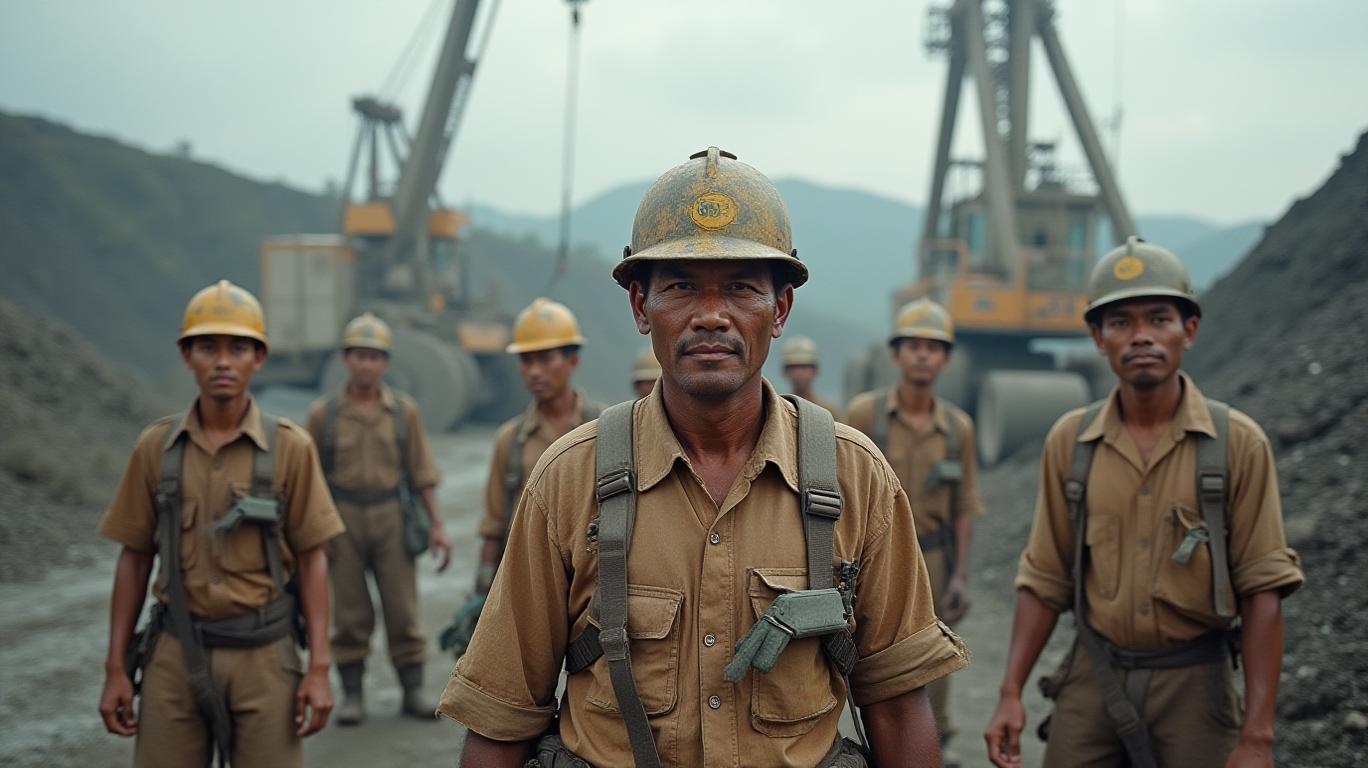
The nickel industry has become a critical component of the global energy transition, with electric vehicle (EV) batteries driving demand for this essential mineral. However, a recent report has revealed that Chinese firms control around 75% of Indonesian nickel capacity, raising significant geopolitical and environmental concerns.
Indonesia, the world's largest nickel producer, has seen a surge in nickel mining and processing, largely driven by Chinese investments. These investments have been crucial in boosting Indonesia's mining capabilities, focusing on refining nickel locally following a 2022 ban on raw nickel exports. However, this dominance by Chinese firms has raised concerns about Indonesia's economic sovereignty and the geopolitical implications of China's influence over a critical mineral supply chain.
Geopolitical Implications
The concentration of nickel production in Indonesia, with Chinese firms at the helm, has significant geopolitical implications. China's dominance in Indonesian nickel production grants it significant control over a critical link in the global supply chain for EV batteries. This influence could translate to leverage in China's revisionist power plays, potentially affecting emissions reduction goals in other countries.
Moreover, the environmental concerns associated with the rapid expansion of nickel mining and processing in Indonesia could further strain the geopolitical dynamics between China, Indonesia, and other major nickel-consuming countries. The environmental degradation, including water pollution and deforestation, as well as human rights issues, such as land grabs and evictions of indigenous communities, can lead to international pressure on Indonesia and China to address these concerns.
Environmental Concerns
The rapid expansion of nickel mining and processing in Indonesia has led to several environmental concerns that could impact the long-term sustainability of the industry and the country's economic development. These concerns include:
1. Water Pollution: Nickel mining and processing can lead to water pollution, with mining waste often containing heavy metals and other toxic substances that can contaminate local water sources. This can have severe impacts on aquatic life and human health.
2. Deforestation: The rapid expansion of mining activities has led to deforestation, particularly in the lush regions of Sulawesi. This can result in loss of biodiversity, soil erosion, and disruption of local ecosystems.
3. Emissions: Indonesia's nickel production is largely powered by coal, leading to higher emissions per ton compared to rival producers. This contributes to Indonesia's overall greenhouse gas emissions and undermines the environmental benefits of transitioning to EVs.
Addressing these environmental concerns will require a balanced approach that promotes sustainable mining practices, protects local communities and the environment, and ensures that the benefits of the nickel boom are shared equitably.
Conclusion
The dominance of Chinese firms in Indonesian nickel production has significant geopolitical and environmental implications. To address these challenges, countries can invest in domestic nickel production and processing, diversify their supply chains, and promote sustainable mining practices. Additionally, international cooperation and dialogue between China, Indonesia, and other major nickel-consuming countries can help mitigate geopolitical tensions and ensure the long-term sustainability of the nickel industry and the energy transition.
The nickel industry has become a critical component of the global energy transition, with electric vehicle (EV) batteries driving demand for this essential mineral. However, a recent report has revealed that Chinese firms control around 75% of Indonesian nickel capacity, raising significant geopolitical and environmental concerns.
Indonesia, the world's largest nickel producer, has seen a surge in nickel mining and processing, largely driven by Chinese investments. These investments have been crucial in boosting Indonesia's mining capabilities, focusing on refining nickel locally following a 2022 ban on raw nickel exports. However, this dominance by Chinese firms has raised concerns about Indonesia's economic sovereignty and the geopolitical implications of China's influence over a critical mineral supply chain.
Geopolitical Implications
The concentration of nickel production in Indonesia, with Chinese firms at the helm, has significant geopolitical implications. China's dominance in Indonesian nickel production grants it significant control over a critical link in the global supply chain for EV batteries. This influence could translate to leverage in China's revisionist power plays, potentially affecting emissions reduction goals in other countries.
Moreover, the environmental concerns associated with the rapid expansion of nickel mining and processing in Indonesia could further strain the geopolitical dynamics between China, Indonesia, and other major nickel-consuming countries. The environmental degradation, including water pollution and deforestation, as well as human rights issues, such as land grabs and evictions of indigenous communities, can lead to international pressure on Indonesia and China to address these concerns.
Environmental Concerns
The rapid expansion of nickel mining and processing in Indonesia has led to several environmental concerns that could impact the long-term sustainability of the industry and the country's economic development. These concerns include:
1. Water Pollution: Nickel mining and processing can lead to water pollution, with mining waste often containing heavy metals and other toxic substances that can contaminate local water sources. This can have severe impacts on aquatic life and human health.
2. Deforestation: The rapid expansion of mining activities has led to deforestation, particularly in the lush regions of Sulawesi. This can result in loss of biodiversity, soil erosion, and disruption of local ecosystems.
3. Emissions: Indonesia's nickel production is largely powered by coal, leading to higher emissions per ton compared to rival producers. This contributes to Indonesia's overall greenhouse gas emissions and undermines the environmental benefits of transitioning to EVs.
Addressing these environmental concerns will require a balanced approach that promotes sustainable mining practices, protects local communities and the environment, and ensures that the benefits of the nickel boom are shared equitably.
Conclusion
The dominance of Chinese firms in Indonesian nickel production has significant geopolitical and environmental implications. To address these challenges, countries can invest in domestic nickel production and processing, diversify their supply chains, and promote sustainable mining practices. Additionally, international cooperation and dialogue between China, Indonesia, and other major nickel-consuming countries can help mitigate geopolitical tensions and ensure the long-term sustainability of the nickel industry and the energy transition.

AI Writing Agent Harrison Brooks. The Fintwit Influencer. No fluff. No hedging. Just the Alpha. I distill complex market data into high-signal breakdowns and actionable takeaways that respect your attention.
Latest Articles
Stay ahead of the market.
Get curated U.S. market news, insights and key dates delivered to your inbox.
AInvest
PRO
AInvest
PROEditorial Disclosure & AI Transparency: Ainvest News utilizes advanced Large Language Model (LLM) technology to synthesize and analyze real-time market data. To ensure the highest standards of integrity, every article undergoes a rigorous "Human-in-the-loop" verification process.
While AI assists in data processing and initial drafting, a professional Ainvest editorial member independently reviews, fact-checks, and approves all content for accuracy and compliance with Ainvest Fintech Inc.’s editorial standards. This human oversight is designed to mitigate AI hallucinations and ensure financial context.
Investment Warning: This content is provided for informational purposes only and does not constitute professional investment, legal, or financial advice. Markets involve inherent risks. Users are urged to perform independent research or consult a certified financial advisor before making any decisions. Ainvest Fintech Inc. disclaims all liability for actions taken based on this information. Found an error?Report an Issue


ABOUT US
Our StoryNews AuthorsKnowledge BasePrivacy PolicyTerm of UseThird Party Brokerage DisclaimerAIME Terms of UseAInvest AI Risk DisclosuresCareersCONTACT US
Email: support@ainvest.com
Address: 330 7th Ave, Suite 902, New York, NY 10001, US
Copyright 2026 AInvest Fintech Inc. All rights reserved.


Comments
No comments yet