
Brazil Considers Bitcoin for National Treasury Holdings
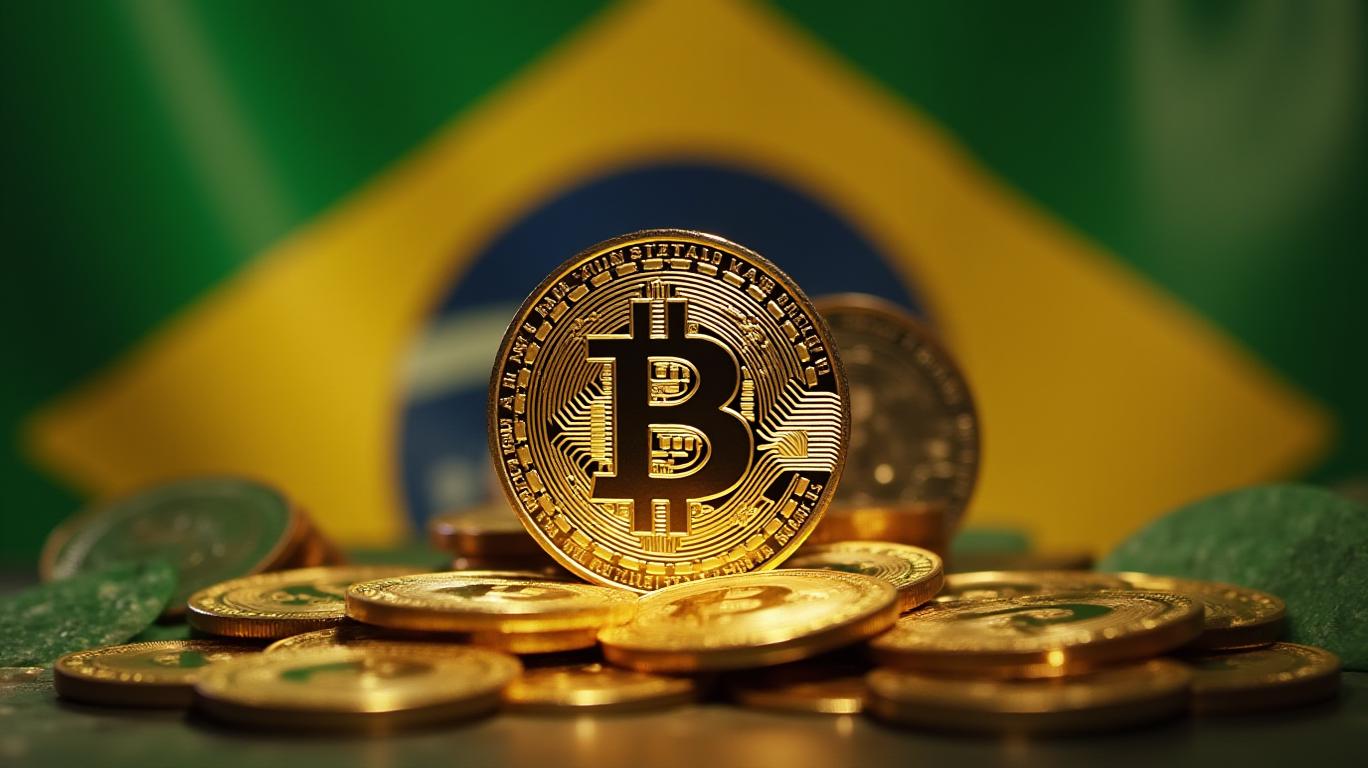
The Brazilian government is exploring the possibility of integrating Bitcoin into its national treasury holdings, aiming to be among the first major economies to officially recognize the cryptocurrency as a sovereign reserve asset. This move comes as digital assets gain global traction, with the Brazilian government assessing whether Bitcoin can diversify financial reserves, act as an inflation hedge, and bolster the nation's economic stability.
If adopted, Brazil would become a pioneer in national cryptocurrency adoption, positioning itself as one of the largest economies to include Bitcoin in its official reserves. High-ranking officials are leading the discussions, indicating a growing recognition of Bitcoin's role in economic planning amidst global economic uncertainty.
Top advisors to President Luiz Inácio Lula da Silva are advocating for Bitcoin to be used as a state reserve asset. Proponents argue that holding Bitcoin could protect the nation's finances over the long term by serving as an inflation hedge and safeguarding against currency devaluation. While the proposal has garnered support from both cryptocurrency enthusiasts and economic policymakers, the discussions are still in their early stages.
Pedro Giocondo Guerra, representing the government of President Luiz Inácio Lula da Silva, emphasized the potential benefits of a sovereign Bitcoin reserve. He stated that the government is "debating rigorously the creation of a sovereign reserve of Bitcoin value is in the public interest and will be crucial to our prosperity." Guerra highlighted Bitcoin's role as "digital gold," enabling efficient and secure wealth transfer and storage. Deputy Eros Biondini introduced a bill to establish a "Strategic Sovereign Bitcoin Reserve," which would require the government to purchase up to 5% of Brazil’s foreign exchange reserves in Bitcoin. The Brazilian Central Bank would oversee these transactions using advanced security measures, blockchain technologyGBBK--, and artificial intelligence.
With a GDP of $2.2 trillion, Brazil is the tenth-largest economy globally and has been increasingly investing in digital currencies. Guerra suggested that a Bitcoin strategic reserve aligns with national interests and could drive the country's fiscal future and economic growth. The announcement by Donald Trump of the U.S. Bitcoin reserves has added international momentum to Brazil's plans, with other nations following America's lead in adopting Bitcoin within governmental bodies.
Reactions from financial institutionsFISI--, cryptocurrency specialists, and investors have been mixed. Some express concerns about volatility and regulatory challenges, while others view it as a forward-thinking move that could establish Brazil as a key player in the digital asset economy. The fintech firm Méliuz recently included Bitcoin in its treasury plan, reflecting growing institutional confidence in cryptocurrencies as a long-term value store. This trend is part of a broader movement where companies and financial institutions are diversifying their portfolios to include digital currencies.
The international cryptocurrency market has responded cautiously to Brazil's potential adoption of Bitcoin. Some analysts believe it could boost institutional investment and overall adoption of digital assets. However, others caution that Brazil's financial stability could be at risk due to Bitcoin's volatility and the lack of clear regulations. The country's financial regulators have yet to make a definitive decision. While the Brazilian Central Bank has expressed concerns about Bitcoin's volatility, supporters argue that with proper risk management and investment strategies, it could be a valuable addition to the national treasury.

Stay ahead of the market.
Get curated U.S. market news, insights and key dates delivered to your inbox.




Comments
No comments yet